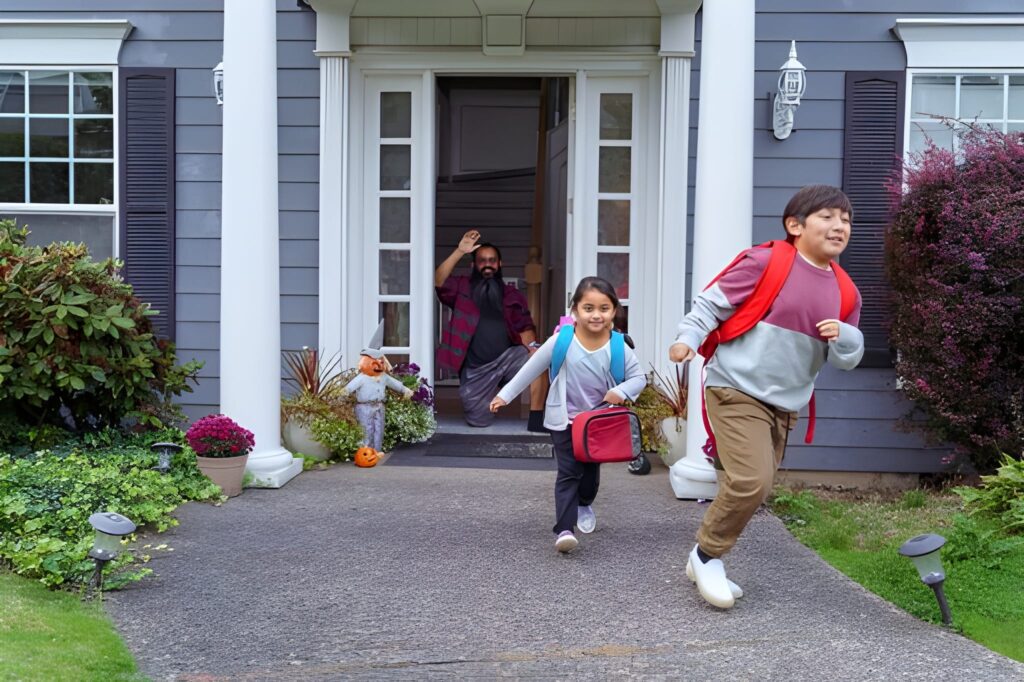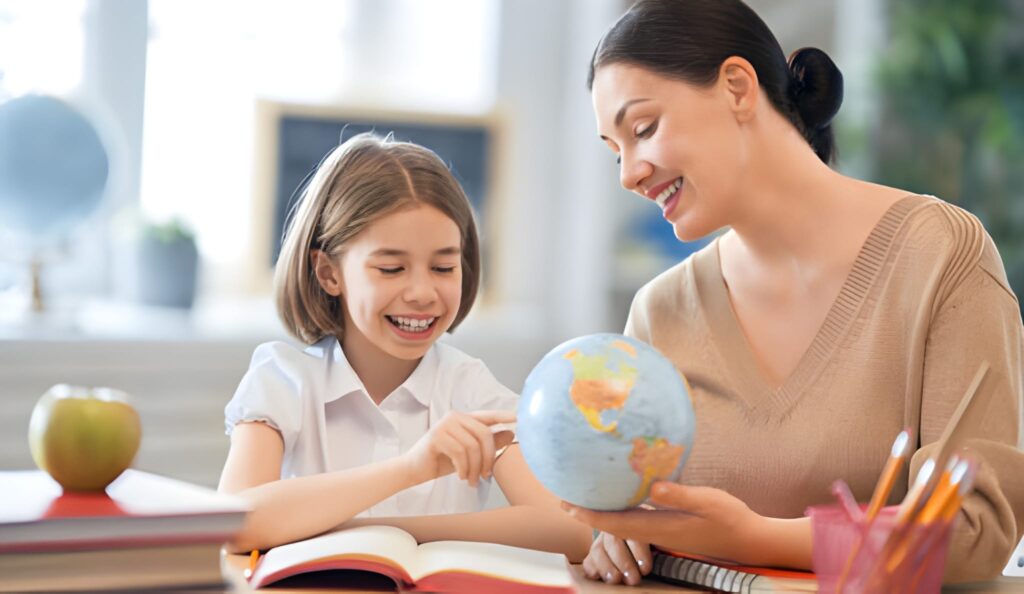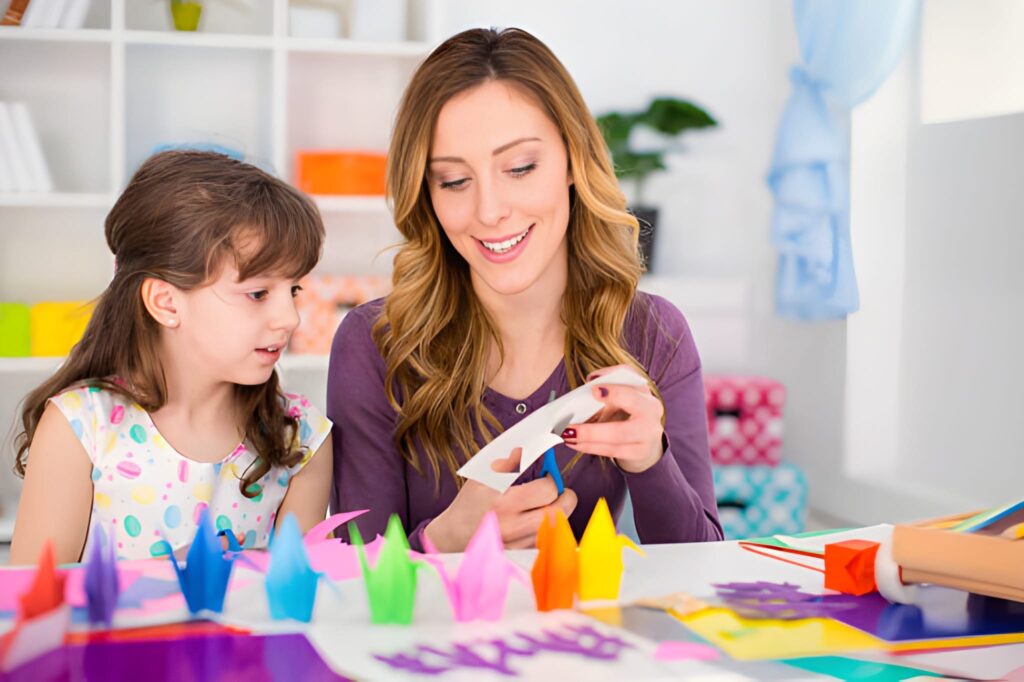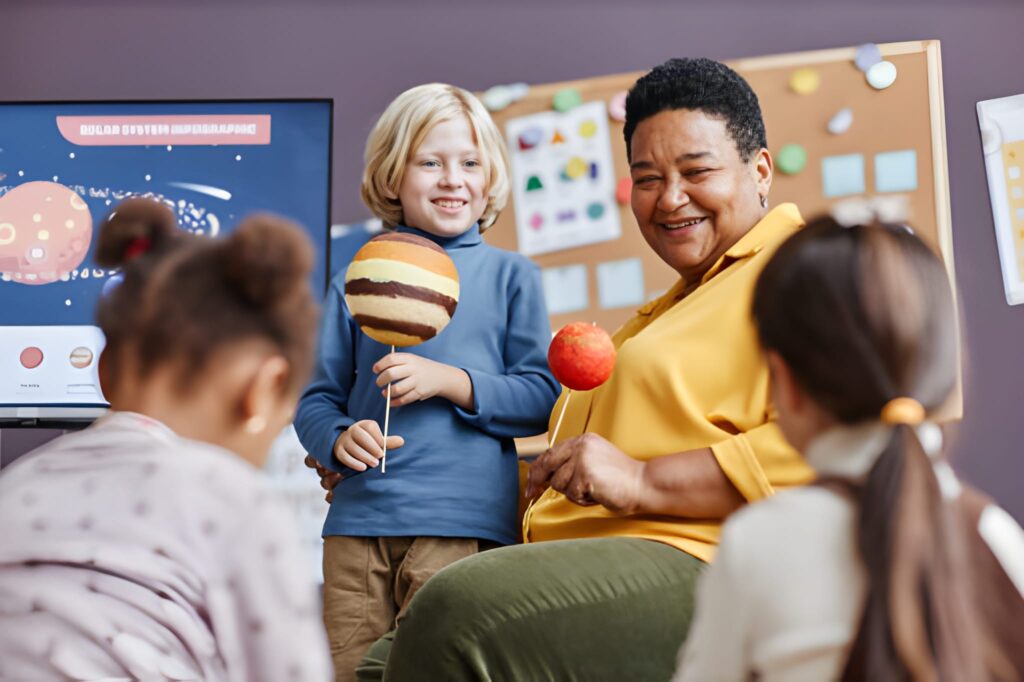
The American primary education system lays the foundation for lifelong learning, personal development, and civic engagement. Typically encompassing kindergarten through fifth or sixth grade (ages 5–11), primary education is designed to develop literacy, numeracy, critical thinking, social skills, and moral understanding. The structure, curriculum, and teaching methodologies in the United States reflect a combination of federal guidelines, state standards, and local district policies. This article provides a comprehensive overview of the American primary education system, examining its organization, curriculum, pedagogical approaches, benefits, challenges, and implications for students and society.
Structure of American Primary Education
Primary education in the U.S. generally includes the following grades:
| Grade | Typical Age | Focus Areas |
|---|---|---|
| Kindergarten | 5–6 | Social-emotional development, basic literacy, numeracy, introduction to science and arts |
| 1st Grade | 6–7 | Reading fluency, basic math, classroom routines, cooperation |
| 2nd Grade | 7–8 | Writing skills, math operations, science exploration, social studies |
| 3rd Grade | 8–9 | Reading comprehension, multiplication/division, introduction to history |
| 4th Grade | 9–10 | Advanced reading, fractions, science experiments, U.S. history |
| 5th Grade | 10–11 | Critical thinking, decimals, basic algebra concepts, geography, civic understanding |
Some districts include 6th grade in primary education, though many classify it as the start of middle school.
Curriculum and Learning Standards
The curriculum in American primary schools is guided by state-specific standards but generally includes the following subjects:
- Language Arts – Reading, writing, grammar, vocabulary, spelling, and comprehension. Emphasis is on developing literacy skills and critical thinking.
- Mathematics – Number sense, addition, subtraction, multiplication, division, fractions, and problem-solving strategies. Some districts introduce pre-algebra concepts in upper primary grades.
- Science – Life sciences, earth sciences, basic physics, and scientific inquiry. Hands-on experiments are commonly used to encourage curiosity.
- Social Studies – U.S. history, geography, civics, and cultural awareness. Programs aim to instill citizenship, community understanding, and global perspectives.
- Arts and Music – Visual arts, music, drama, and creative expression are integrated to promote imagination, emotional expression, and cultural literacy.
- Physical Education – Daily or weekly PE classes to promote physical health, teamwork, and motor skill development.
- Technology and Computer Skills – Introduction to basic computing, digital literacy, and responsible technology use.
Teaching Methodologies
American primary schools employ a range of pedagogical approaches designed to meet diverse learning needs:
- Differentiated Instruction: Teachers adapt lessons to accommodate different learning styles and abilities.
- Project-Based Learning (PBL): Encourages students to explore real-world problems through collaborative projects.
- Inquiry-Based Learning: Students ask questions, conduct investigations, and construct knowledge through discovery.
- Collaborative Learning: Group activities and peer interaction promote social and emotional skills.
- Standardized Assessments: Regular assessments track student progress, inform instruction, and ensure alignment with state standards.
Benefits of the American Primary Education System
| Benefit | Description | Impact on Students |
|---|---|---|
| Comprehensive Skill Development | Balanced focus on literacy, numeracy, arts, and social skills | Children gain holistic academic and personal development |
| Emphasis on Critical Thinking | Projects and inquiry-based learning foster problem-solving skills | Prepares students for complex learning and real-world challenges |
| Social and Emotional Growth | Group work, classroom management, and peer interaction | Enhances collaboration, empathy, and communication skills |
| Access to Resources | Public schools provide textbooks, libraries, and extracurricular programs | Supports equity in educational opportunities |
| Flexibility and Diversity | Accommodates various learning styles, abilities, and cultural backgrounds | Encourages inclusion and individualized learning |
Challenges in American Primary Education
| Challenge | Description | Potential Consequences |
|---|---|---|
| Achievement Gaps | Differences in socioeconomic status, location, and resources affect learning outcomes | Students from low-income backgrounds may lag academically |
| Standardized Testing Pressure | Emphasis on testing can lead to teaching to the test | Limits creativity and holistic development |
| Class Size Variability | Overcrowded classrooms in some districts reduce individualized attention | Impacts learning, behavior management, and teacher effectiveness |
| Resource Disparities | Funding differences between districts affect facilities, technology, and enrichment programs | Educational inequality persists |
| Early Academic Stress | High expectations in literacy and numeracy may increase pressure on young children | Can affect mental health and motivation |
Global Comparison: U.S. Primary Education vs. Other Countries
| Country | Curriculum Focus | Classroom Approach | Average Class Size | Academic Outcomes |
|---|---|---|---|---|
| United States | Literacy, numeracy, holistic development | Student-centered, inquiry-based | 20–25 | Moderate-high, with regional variations |
| Finland | Core subjects, well-being, arts | Play-based and collaborative | 18–20 | High literacy and numeracy |
| Japan | Mathematics, science, social studies | Teacher-directed, discipline-focused | 30–35 | High standardized test scores |
| Singapore | Mathematics, sciences, literacy | Rigorous, structured | 30 | Top global performance in PISA rankings |
| Canada | Literacy, numeracy, social-emotional learning | Student-centered, inclusive | 20–25 | High literacy and engagement |
Parental and Community Involvement
American primary schools encourage parents to participate actively through:
- Parent-Teacher Associations (PTAs)
- Volunteering in classrooms or school events
- Regular communication via progress reports and parent-teacher conferences
- Home support for reading, homework, and enrichment activities
Technological Integration
Digital literacy is increasingly emphasized in primary grades. Schools integrate technology through:
- Interactive whiteboards and tablets
- Learning management systems (LMS) for assignments and feedback
- Online assessments and adaptive learning platforms
- Coding and robotics programs for foundational computational thinking
Future Trends in American Primary Education
- Increased Technology Integration: Greater use of AI, VR, and adaptive learning tools.
- Emphasis on Social-Emotional Learning (SEL): Programs to develop empathy, resilience, and collaboration.
- Inclusive Education Practices: Focus on accommodating children with diverse needs and abilities.
- Competency-Based Learning: Shifting from seat-time to mastery of skills.
- Global and Multicultural Education: Incorporating global perspectives and cross-cultural understanding in the curriculum.
Conclusion
The American primary education system provides a broad, balanced foundation for young learners, blending academic instruction with social, emotional, and creative development. While it faces challenges such as inequality, class size variability, and standardized testing pressure, the system’s flexibility, inclusivity, and emphasis on holistic growth remain strengths. Parents, educators, and policymakers must continue to address disparities, innovate teaching practices, and integrate technology to ensure that all children have access to quality primary education that prepares them for lifelong learning and responsible citizenship.