The Anatomy of Descent
A Specialist's Guide to Neonatal Rectal Prolapse
Clinical Overview
Etymology and Literal Meaning
To understand what a diagnosed rectal prolapse "literally" means, we must look at the Latin origins of the terms. The word rectum is derived from rectus, which translates to straight. In anatomical terms, this refers to the final straight portion of the large intestine. The word prolapse comes from the Latin prolabi, where pro means forward and labi means to slip or fall.
Literally defined, a rectal prolapse is the slipping forward or falling out of the straight portion of the bowel. In a newborn, this manifests as a section of the rectal lining (the mucosa) or the entire rectal wall protruding through the anal opening. It is a physical displacement where the internal tissue becomes external.
The Physical Structure of the Newborn Rectum
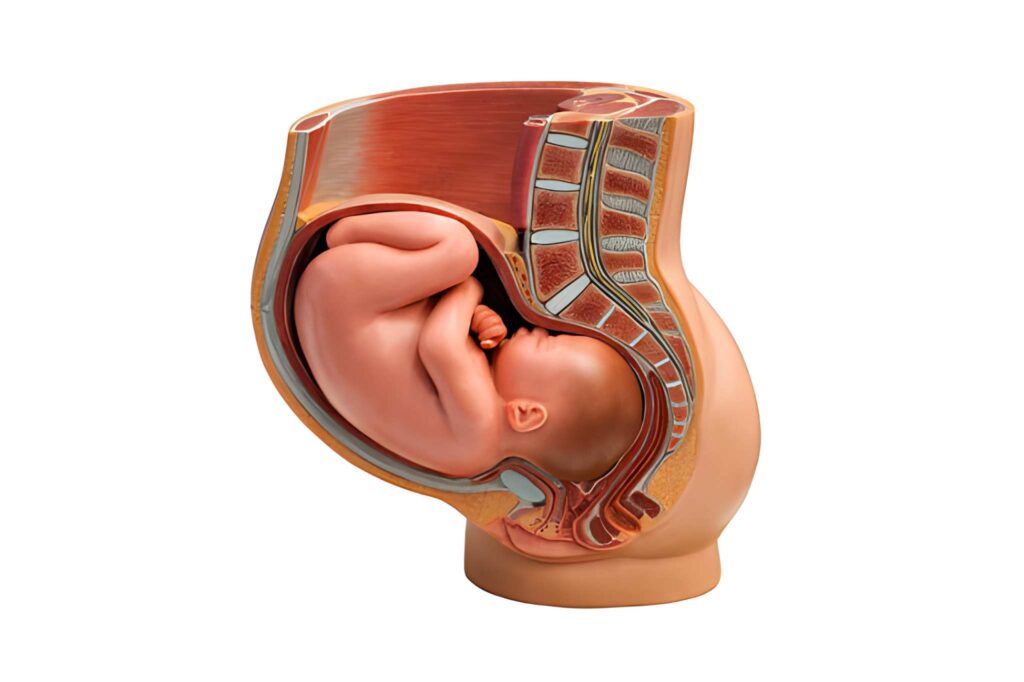
The anatomy of a newborn is unique. Unlike adults, an infant's pelvis is narrower, and the rectum sits in a much more vertical position. The supporting structures, such as the levator ani muscles and the sacrum, are not yet fully developed or hardened. This verticality, combined with a lack of strong muscular support, makes newborns more susceptible to tissue displacement under pressure.
The Supporting Layers
The rectum is held in place by several layers of tissue. Specialists evaluate these layers when determining the severity of a prolapse:
- Mucosa: The innermost lining that produces mucus.
- Submucosa: The layer containing blood vessels and nerves.
- Muscularis: The muscle layer responsible for contraction.
- Serosa: The outer protective layer.
Underlying Triggers and Causes
In the neonatal and early infant stages, a prolapse is rarely a primary condition. It is almost always a symptom of an underlying issue. As a specialist, my first goal is to identify why the pressure inside the abdomen is high enough to push the rectum out, or why the tissue is weak enough to allow it.
Chronic coughing (from respiratory issues) or severe straining during bowel movements (constipation) creates a downward force that overcomes the resistance of the anal sphincter.
Frequent, watery stools can irritate the rectal lining and weaken the connective tissues. This is common in infants with certain food intolerances.
This is a critical clinical link. Approximately 20% of children with cystic fibrosis experience rectal prolapse. The thick mucus and malabsorption associated with CF contribute to the weakening of the bowel structure.
Degrees of Prolapse: A Comparison
Specialists categorize the descent into two primary types. Understanding which type a newborn has is vital for determining if the condition will resolve with home care or require surgical intervention.
| Feature | Partial (Mucosal) Prolapse | Full-Thickness Prolapse |
|---|---|---|
| Tissue Involved | Only the inner lining (mucosa) | All layers of the rectal wall |
| Appearance | Small, radial folds (like a starburst) | Concentric rings (like a target) |
| Protrusion Length | Usually less than 2-3 cm | Can be longer than 3 cm |
| Urgency | Low to Moderate | High (Risk of strangulation) |
The Diagnostic Path
When a newborn is presented with a prolapsed rectum, the diagnosis is primarily visual. However, the workup involves several steps to ensure the tissue remains healthy and to find the root cause.
Medical Interventions and Reduction
The "literal" fix for a prolapse is reduction, which means returning the tissue to its original position. In newborns, this is usually done manually by a healthcare provider using a water-soluble lubricant and gentle, steady pressure.
Manual Reduction Protocol
1. The infant is placed in a knee-chest position or on their side.
2. Gentle pressure is applied to the center of the mass to "tuck" it back through the sphincter.
3. The buttocks may be taped together for a short period to prevent immediate recurrence.
For infants experiencing prolapse due to constipation, fluid intake is critical. A standard calculation for daily maintenance fluid in a newborn is:
100 ml per kilogram of body weight for the first 10 kg.
Example: For a 4 kg newborn: 4 kg x 100 ml = 400 ml of fluid per 24 hours.
Long-term Outlook and Prevention
The good news is that for the vast majority of newborns and infants, rectal prolapse is a self-limiting condition. As the child grows, the sacrum (tailbone) develops its natural curve, providing a "shelf" for the rectum to sit on. The pelvic floor muscles also strengthen, providing better support.
Home Management Strategies
- Positioning: Ensure the baby’s knees are higher than their hips during bowel movements (if they are older and using a seat) to improve the anorectal angle.
- Stool Softening: Under medical supervision, adjusting the diet to ensure stools are soft and easy to pass.
- Skin Care: Keeping the area clean and using barrier creams to prevent the delicate rectal tissue from becoming excoriated (scraped).
While the sight of a rectal prolapse is frightening, the literal meaning—a temporary slipping of tissue—reflects a manageable anatomical challenge. With specialized care focused on the "why" behind the descent, most infants move past this stage with no long-term health consequences.