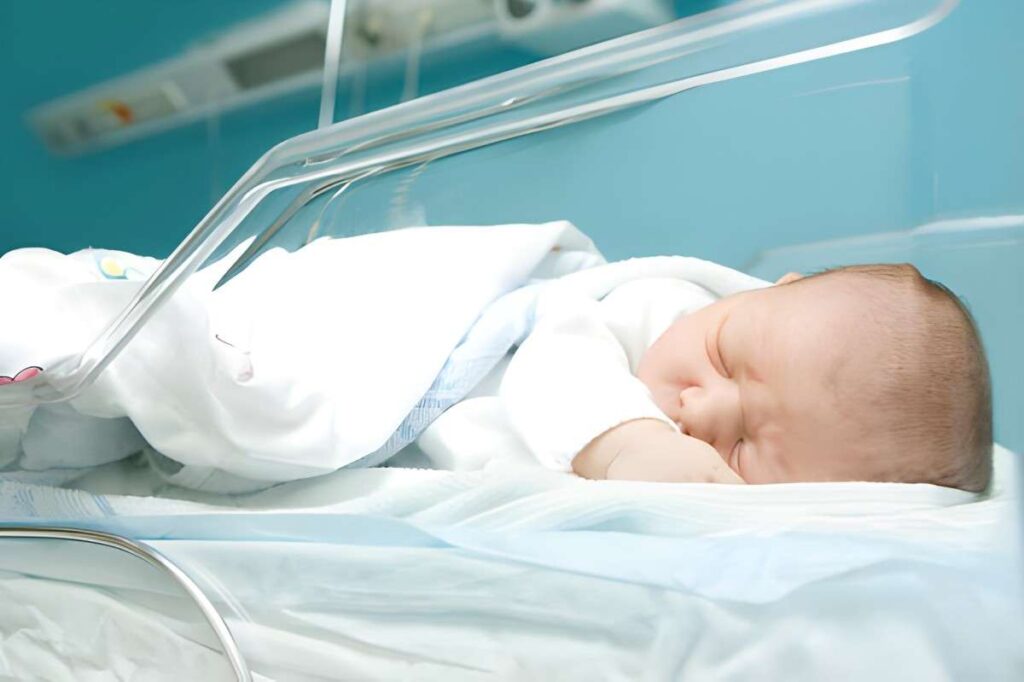
The Biological Symphony: How a Newborn’s Cry Triggers Maternal Hormones
An Expert Exploration of Neurobiology, Bonding, and Lactation Dynamics in
The Acoustic Key: Sound as Signal
A newborn’s cry functions as much more than a loud noise; it represents a specialized biological key designed to unlock a specific set of physiological responses in the mother. From an evolutionary perspective, the high-pitched, urgent frequency of a baby’s distress signal ensures that the caregiver remains alert and responsive. Within seconds of hearing this sound, a mother’s body undergoes a massive internal shift, preparing her for immediate action, bonding, and nutrition.
Research indicates that the human brain possesses a unique sensitivity to these specific frequencies. Unlike other loud sounds, a baby’s cry bypasses standard auditory processing and goes straight to the emotional and instinctual centers of the brain. This trigger sets off a chain reaction involving the hypothalamus, the pituitary gland, and the adrenal glands, fundamentally altering the mother’s chemical composition to favor caretaking behaviors.
Oxytocin: The Bonding Hormone
The primary hormone released in response to a newborn’s cry is Oxytocin, often colloquially called the "love hormone" or "cuddle chemical." When the infant cries, the hypothalamus triggers the posterior pituitary gland to flood the mother’s system with oxytocin. This hormone performs two critical roles: it promotes emotional attachment and facilitates the let-down reflex in breastfeeding.
The let-down reflex occurs when oxytocin causes the small muscles around the milk-producing glands in the breast to contract. This pushes the milk into the ducts, making it available for the baby. Remarkably, this reflex can happen just from the sound of a cry, even before the baby actually latches onto the breast. This biological "head start" ensures that the mother is ready to feed her child the moment they are reunited.
Prolactin and the Continuous Feedback Loop
While oxytocin handles the release of milk, Prolactin handles its production. A newborn’s cry signals to the brain that the baby is hungry or in need of comfort, which keeps prolactin levels elevated. Prolactin acts on the mammary alveolar cells to stimulate milk synthesis. In the early weeks of life, the frequency of the baby’s cry and subsequent feeding sessions acts as a supply-and-demand calculator for the mother’s body.
This feedback loop is highly sensitive. If a mother hears a cry and the baby is not fed, the prolactin levels may eventually dip, signaling to the body that less milk is required. Conversely, frequent crying followed by nursing keeps prolactin levels high, ensuring an abundant supply. This hormonal drive also has a calming effect on the mother, helping her to relax during the feeding process despite the initial stress of the cry.
Cortisol: The Alert Response
It is a mistake to think that only "positive" hormones are triggered. A newborn’s cry is an inherently stressful sound. It triggers the release of Cortisol and Adrenaline in the mother. This stress response is vital; it prevents the mother from ignoring the signal. It increases heart rate, heightens awareness, and sharpens the senses.
The challenge in modern motherhood lies in the management of this cortisol. While short bursts of stress are beneficial for survival, chronic crying can lead to elevated cortisol levels over long periods. As a specialist, I monitor for signs of "maternal burnout," where the stress response becomes so overwhelming that it begins to interfere with the bonding process. Balancing the sharp spike of cortisol with the soothing release of oxytocin is the goal of a healthy postpartum environment.
| Hormone | Biological Purpose | Physical Effect |
|---|---|---|
| Oxytocin | Bonding and Lactation Let-down | Uterine contractions, milk ejection, feelings of love |
| Prolactin | Milk Production | Sustained milk supply, mild sedative effect on mother |
| Cortisol | Alertness and Survival | Increased blood pressure, heightened vigilance, rapid response |
| Vasopressin | Protection and Territoriality | Protective instincts toward the infant, social recognition |
Brain Mapping the Cry Response
Functional MRI (fMRI) studies have allowed us to see exactly which parts of the brain "light up" when a mother hears her baby cry. The Amygdala, which processes emotions and fear, shows immediate activity. This is followed closely by the Prefrontal Cortex, which handles decision-making and planning. Effectively, the cry tells the mother to "Feel" and then to "Do."
In mothers with postpartum depression (PPD), the connection between these two areas can sometimes appear diminished. The emotional trigger (Amygdala) may be active, but the planning and reward centers (Ventral Striatum) may show less response. This neurobiological perspective helps us understand that PPD is not a lack of willpower, but a shift in the brain's hormonal and electrical signaling.
If Cry Frequency (C) increases, and Satiety (S) is not met,
Then Hormonal Signal (H) = C x (1 / S).
Essentially, the longer a cry persists without a resolution, the greater the physiological "cost" to the mother in terms of cortisol expenditure.
Socioeconomic Context of Care
Biological responses do not happen in a vacuum. Socioeconomic factors in the US significantly impact how these hormones are managed. A mother with limited social support or no paid maternity leave may experience higher baseline cortisol levels. When her baby cries, the stress response is added on top of an already taxed system. This can lead to a state of Toxic Stress, where the biological systems designed to protect the baby actually begin to degrade the mother's health.
Conversely, mothers in supportive environments—where they have help with domestic tasks and emotional validation—show a much faster return to baseline after a crying episode. The presence of a supportive partner or family member can actually stimulate the mother’s own oxytocin release, buffering her against the negative effects of the baby’s stress signals.
Yes. While fathers do not experience the let-down reflex or prolactin surges associated with lactation, studies show that their oxytocin levels rise and their testosterone levels dip when they are primary caregivers. The brain still processes the cry as a significant biological signal, though the hormonal "recipe" differs slightly from the mother's.
The bonding response via oxytocin still occurs. While you won't experience the let-down reflex, the act of skin-to-skin contact and eye contact during bottle feeding triggers a significant oxytocin release. Your body still reacts to the cry as a signal to provide comfort and care.
The brain can learn to distinguish between different types of cries (hunger, pain, tiredness), which helps manage the stress response. However, you never truly stop responding biologically. The "alarm" function of a baby's cry is hard-wired into human neurobiology.
Concluding Expert Perspective
The interaction between a newborn's cry and a mother's hormonal state is one of nature’s most refined feedback loops. It is a system built on urgency, love, and survival. By understanding that your reaction to your baby’s cry is a sophisticated biological process involving your brain, your blood, and your organs, you can view the challenges of early motherhood with a new level of grace. You are not just "reacting"; you are participating in a biological symphony that has ensured the survival of our species for millennia. Trust your instincts, but also recognize when your stress system needs a moment to reset through rest and support.