The Crucial 12-Week Prenatal Appointment: Navigating the End of the First Trimester
Clinical Assessments, Genetic Screening, and the Shift into the Second Trimester
Table of Contents
The Significance of the 12-Week Threshold
The 12-week prenatal appointment marks a pivotal transition point in the journey of pregnancy. It signifies the end of the embryonic period and the challenging first trimester, which is often characterized by significant hormonal fluctuations, morning sickness, and the highest risk of miscarriage. By this week, the major developmental processes are complete, and the fetus, now officially transitioning from an embryo, begins a phase focused on growth and refinement. This appointment is uniquely positioned to confirm viability, establish critical baseline health data for the mother, and offer informed choices regarding genetic screening.
The Transition Point
Moving into the second trimester (starting at Week 13) generally brings a decrease in early pregnancy symptoms like nausea and fatigue. This period, often called the "golden trimester," is physically easier for the mother, allowing her to focus on preparing for the baby's arrival rather than simply enduring the day-to-day discomforts of hormonal surges.
Maternal Symptoms and Changes at 12 Weeks
Twelve weeks represents a biological crossroads for the expectant mother. For many, the intense hormonal siege of the first trimester begins to lift, but the body simultaneously initiates visible changes necessary for rapid fetal growth in the coming months. Understanding these shifts helps normalize the experience and distinguishes transient symptoms from those needing medical attention.
The Great Symptom Shift: Progesterone vs. Placenta
The decline in early symptoms like severe nausea (hyperemesis) often correlates with the maturing placenta taking over hormone production from the corpus luteum. The placenta establishes itself as the primary support structure, resulting in a more stable hormonal environment. This is why many women report a significant increase in energy around this time.
Common Physical Manifestations at Week 12
- Visible Uterine Expansion: The uterus, which has been growing within the pelvic bowl, now rises sufficiently to be felt just above the pubic bone. This transition might cause mild, brief stretching sensations or lower abdominal twinges, often referred to as "round ligament pain" later, but here, it signals uterine ascent.
- Increased Vaginal Discharge (Leukorrhea): An increase in clear or milky, odorless discharge is common. Higher estrogen levels stimulate blood flow to the pelvic area and increase mucus production. This is usually normal, but any discharge with a strong odor, color change, or accompanied by itching requires assessment for infection.
- Volume and Flow Increase: By 12 weeks, the mother's blood volume has increased substantially, sometimes by as much as 20% compared to pre-pregnancy levels. This increase is essential for supporting the fetal circulatory system and the growing placenta. This change often leads to mild heart palpitations or increased visible veins.
- Breast and Skin Changes: The breasts continue to grow and may feel heavy or tender. Areolas often darken and enlarge, and veins may become highly visible. Some women notice the linea nigra (a dark line running vertically up the abdomen) beginning to appear, a result of hormonal hyperpigmentation.
- Headaches and Dizziness: These often persist or even increase due to fluctuating blood volume and dilation of blood vessels. Slowing down when standing up and ensuring adequate hydration helps manage these symptoms.
Addressing Persistent Nausea
While nausea often eases, 20-30% of women may experience some form of sickness continuing into the second trimester. Strategies like eating small, frequent, protein-rich snacks and consulting a doctor about Vitamin B6 or anti-nausea medication can help manage lingering discomfort.
Clinical Procedures: What the Examination Covers
While previous appointments focused heavily on history and confirmation, the 12-week visit is dedicated to comprehensive assessment and data collection. The core procedures provide your healthcare team with a clear picture of your health status and the pregnancy's progression.
Physical Examination and Vital Signs
Your physician or midwife will conduct a series of routine physical checks. These data points are essential throughout the pregnancy for monitoring maternal health.
- Weight and Blood Pressure: Consistent monitoring of blood pressure is critical for early detection of conditions like gestational hypertension and preeclampsia.
- Uterine Size Check: Your provider begins to palpate your abdomen to assess the fundal height (the top of the uterus). By 12 weeks, the uterus is typically growing out of the pelvis and often becomes palpable just above the pubic bone.
- Fetal Heartbeat: Using a Doppler device, the provider attempts to locate and measure the fetal heart rate, a profoundly reassuring moment for many parents.
Blood Work and Laboratory Screening
This appointment includes crucial blood draws to establish baseline values and check for risks that could impact the pregnancy.
| Test Component | Purpose and Relevance |
|---|---|
| Complete Blood Count (CBC) | Screens for anemia (low iron stores), which is common in pregnancy and can cause fatigue and compromise fetal growth if severe. |
| Blood Type and Rh Factor | Determines blood compatibility. If the mother is Rh-negative and the baby is Rh-positive, medication (RhoGAM) is required later in pregnancy to prevent complications. |
| Infectious Disease Screening | Testing for HIV, Hepatitis B, Syphilis, and Rubella immunity. Early detection allows for timely treatment to prevent transmission to the fetus. |
| Urine Analysis | Checks for urinary tract infections (UTIs) which can be asymptomatic but lead to preterm labor, and screens for elevated protein (a sign of preeclampsia risk). |
Deciphering Genetic Screening Options (12-Week Test)
The 12-week window is the prime time for first-trimester genetic screening, which provides a risk assessment for common chromosomal conditions such as Down syndrome (Trisomy 21), Trisomy 18, and Trisomy 13. These screenings are optional, and every family should make an informed choice based on personal values and risks.
It is crucial to understand the difference: Screening tests estimate risk; Diagnostic tests provide a definitive answer. The 12-week options fall mostly under screening.
The Combined First-Trimester Screen
This traditional method combines two distinct, non-invasive measurements to calculate a probability score for chromosomal conditions.
The NT scan is a specialized ultrasound performed between 11 weeks and 13 weeks 6 days. It measures the clear, fluid-filled space (translucency) located at the back of the fetal neck. An increased measurement in this area is associated with a higher statistical risk for chromosomal abnormalities (like Trisomy 21) or, less commonly, congenital heart defects. This measurement is most accurate during this short window of time.
This is a maternal blood test that measures the levels of two pregnancy-specific hormones and proteins: Pregnancy-Associated Plasma Protein-A (PAPP-A) and free beta-hCG. Abnormal levels of these hormones, when mathematically combined with the NT ultrasound measurement and maternal age, adjust the overall risk calculation for the specific conditions.
Statistical Risk Integration
The combined screen uses statistical modeling to integrate your personal risk factors with the laboratory values. For example, if maternal age provides a baseline risk of 1 in 700, and the NT and PAPP-A levels are within typical ranges, the final calculated risk might be decreased to 1 in 1,500. Conversely, abnormal measurements could raise the risk to 1 in 50. This process provides a predictive ratio, not a definitive diagnosis.
NIPT is a simple maternal blood test that analyzes fragments of cell-free fetal DNA (cfDNA) circulating in the mother’s bloodstream. It screens for the same conditions as the combined screen but offers significantly higher detection rates (often greater than 99% for Down syndrome) and much lower false-positive rates. NIPT can be performed as early as 10 weeks and is increasingly becoming the preferred initial screening test, especially for women considered high-risk, those with certain insurance coverage, or those who simply desire greater accuracy early in the pregnancy.
Diagnostic Testing for Confirmation
If any screening test (NIPT or the Combined Screen) yields a "high risk" result, your specialist will discuss the option of proceeding to a diagnostic test. These procedures analyze cells directly from the fetus or placenta, providing a definitive answer regarding chromosomal makeup. The most common first-trimester diagnostic test is **Chorionic Villus Sampling (CVS)**, which is typically performed between 10 and 13 weeks and analyzes placental tissue. This procedure carries a small, defined risk of miscarriage, and is therefore reserved only for cases where screening results indicate elevated risk.
Fetal Development at 12 Weeks
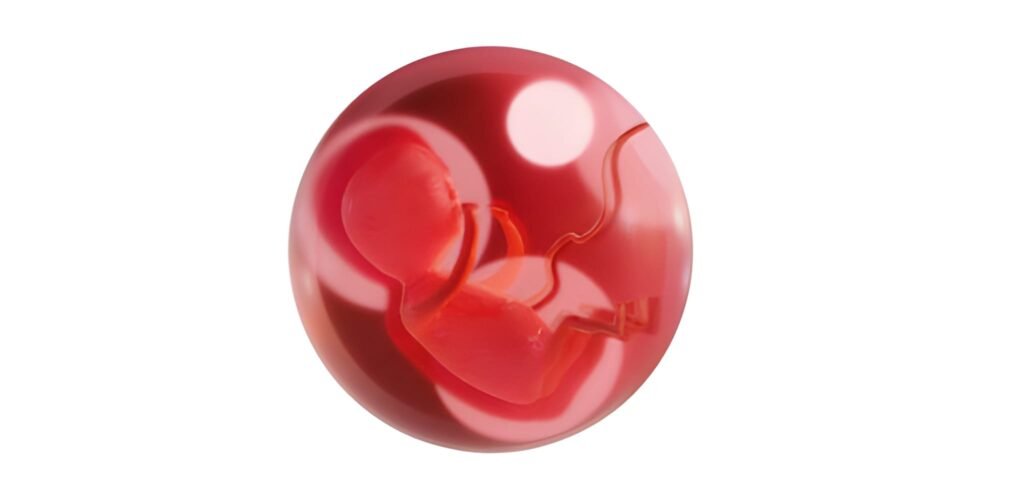
At 12 weeks, the fetus measures about 2 to 3 inches long—roughly the size of a plum—and weighs less than an ounce. This week marks the completion of the most precarious stage of development.
Key Developmental Milestones
- Organ Systems Established: All major organ systems—including the liver, pancreas, kidneys, and brain—are fully formed, though they will continue to mature throughout the pregnancy.
- Reflexes Emerge: The fetus can open and close its tiny fists and curl its toes. The developing nerves allow for facial expressions, though they are purely reflexive.
- External Genitalia: The external genitalia have formed, making gender detection possible via ultrasound, though still often too early for definitive results.
- Digestive System: The kidneys begin to produce urine, and the fetus starts swallowing amniotic fluid.
The transition from the embryonic period to the fetal period signifies a move from forming structures to growing and strengthening those structures. This developmental stability is often a major source of comfort for expectant parents who have navigated the anxieties of the early weeks.
Beyond the Clinical: Emotional and Lifestyle Guidance
The 12-week appointment is an ideal time to shift your focus from survival to wellness. Many mothers report feeling a renewed sense of energy and a reduced emotional burden.
Managing Physical Comfort and Wellness
If morning sickness has subsided, capitalize on this relief by focusing on robust nutrition. Calorie requirements only increase modestly in the second trimester, typically by about 340 calories per day, but the emphasis should be on nutrient density.
Weight Gain Guidance: For a woman of average body mass index (BMI), the total recommended weight gain is between 25 and 35 pounds. At 12 weeks, a gain of 2 to 5 pounds is generally expected. Your doctor calculates your BMI using the formula: $$\text{BMI} = \frac{\text{Weight in kilograms}}{(\text{Height in meters})^2}$$ Weight gain is tracked meticulously at every appointment to ensure both maternal and fetal health are optimized.
Preparing for the Second Trimester
The second trimester brings physical changes, most notably the noticeable growth of the abdomen. This is the time to start planning:
- Begin Prenatal Education: Start investigating birthing classes and newborn care courses.
- Inquire about Anatomy Scan: The detailed structural ultrasound, often called the anatomy scan, is typically scheduled between 18 and 22 weeks.
- Communicate Changes: If you experience symptoms like dizziness, swelling in the hands or face, or severe headaches, contact your provider immediately. While the first trimester is ending, vigilance regarding serious symptoms remains paramount.
This appointment closes one chapter and opens another. Embrace the knowledge gained from the clinical assessments and step into the second trimester with confidence, supported by the dedicated care of your medical team.