The Gracious Visitor
A Protocol for Newborn Introductions in
Table of Contents
Entering the home of a family with a newborn requires a shift in perspective. The parents currently navigate the "fourth trimester," a period characterized by physical recovery, profound sleep deprivation, and high emotional sensitivity. A visitor should not arrive as a guest to be entertained, but rather as a supporting presence. Understanding the formal and informal rules of this encounter ensures that the visit remains a blessing rather than a burden.
Modern newborn etiquette prioritizes the health and psychological well-being of the infant and parents. While the impulse to see the new addition is natural, the execution of the visit dictates the long-term memories of the event. Applying a set of consistent standards allows the visitor to demonstrate respect for the new family structure.
The Timing and Scheduling Protocol
The first rule of visiting a newborn involves the clock. Spontaneous visits do not exist in the world of new parenthood. Every interaction must be pre-approved and confirmed. Even if the parents are close relatives, the disruption of a nap or a feeding session can trigger hours of domestic chaos.
When scheduling, offer specific time slots rather than vague windows. Instead of asking "When can I come by?", suggest "I would love to drop off a meal on Tuesday at 4:00 PM; would a 20-minute visit work then?" This gives the parents a clear exit point and reduces the pressure to host. Always send a confirmation text two hours before arrival. If the baby had a rough night, the parents may need to cancel at the last minute. Accept these cancellations with grace and zero guilt-tripping.
Immunology and Health Standards
Health safety forms the bedrock of modern visiting etiquette. A minor sniffle for an adult can translate into a hospital stay for a newborn. The responsibility for health screening lies entirely with the visitor. Do not wait for the parents to ask about your health status; volunteer the information proactively.
- Vaccination Status: Ensure you are up to date on your Tdap (Tetanus, Diphtheria, and Pertussis) and seasonal flu shots. Pertussis, or whooping cough, is life-threatening for infants.
- The Hand-Washing Mandate: Upon entering the home, head directly to the sink. Scrub your hands with soap for at least 20 seconds before touching anything the baby might come in contact with.
- The "No Kiss" Policy: Never kiss a newborn on the face, hands, or head. Neonatal herpes and other respiratory viruses spread easily through skin-to-skin contact.
Interaction and Physical Boundaries
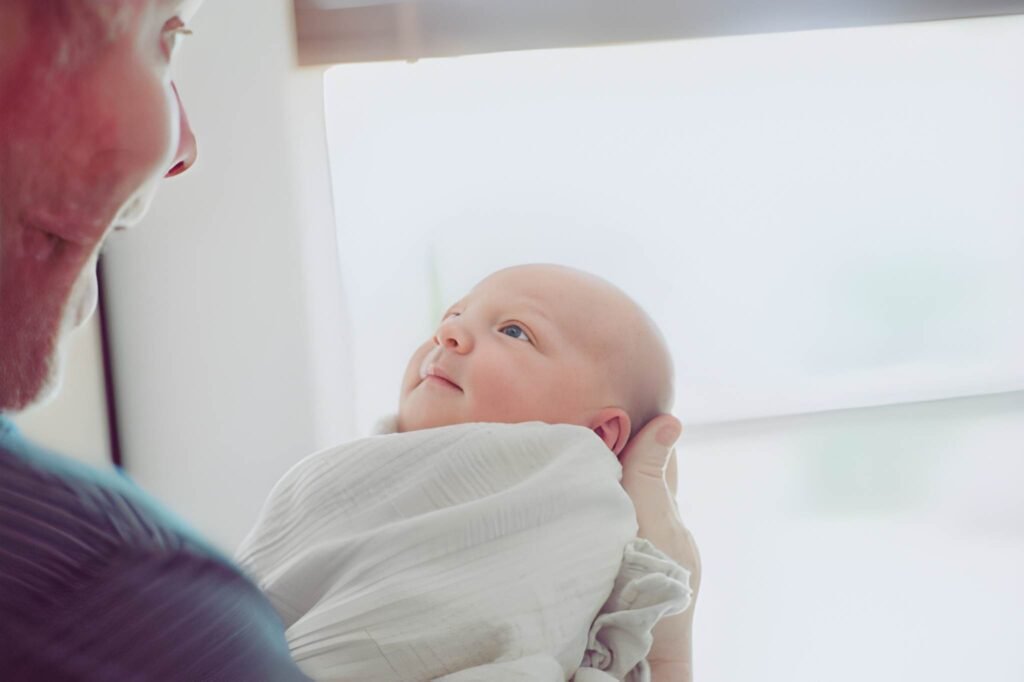
The desire to hold the baby is the primary motivator for most visits, yet the visitor must wait for an explicit invitation. Some parents are highly protective of their child's physical space during the first few weeks. If the baby is sleeping, do not ask to wake them. A sleeping baby is a win for the entire household.
Physical Etiquette
If invited to hold the infant, sit down first. This provides a stable base and reduces the risk of accidents. Support the head and neck at all times. If the baby begins to cry, immediately offer to return them to the parent. Do not attempt to "soothe" the baby away from the mother or father unless specifically asked to do so.
Noise and Environment
Keep your voice at a moderate level. Turn off your cell phone ringer before entering. Avoid wearing heavy perfumes, colognes, or cigarette smoke-scented clothing, as newborns have highly sensitive olfactory systems that can be easily overwhelmed.
Service-Oriented Visiting Strategies
A formal visit to a newborn should ideally include an element of service. In the United States, where parental leave is often short and social support networks can be fragmented, practical help is more valuable than any store-bought toy. Shift your mindset from "guest" to "assistant."
| Action Item | Status | Why it Matters |
|---|---|---|
| Bringing a hot, ready-to-eat meal | Highly Recommended | Parents often forget to eat or lack the time to cook. |
| Asking "What can I do to help?" | Avoid | This forces the exhausted parent to think and delegate. |
| Identifying a task (dishes, trash) and doing it | Recommended | Tangible help reduces the parent's mental load. |
| Staying for more than 60 minutes | Avoid | Long visits exhaust the recovering mother. |
Gift-Giving and Financial Etiquette
Choosing a gift for a formal visit requires a balance between sentiment and utility. While decorative outfits are charming, newborns outgrow newborn sizes in weeks. Practicality usually wins the day in the eyes of new parents.
Effective Gift Categories
Consider gifts that address the immediate needs of the parents. Gift cards for food delivery services, professional cleaning services, or even a commitment to walk the family dog for a week are exceptional choices. If purchasing items for the baby, stick to the registry. The parents have likely spent months researching specific brands for bottles, diapers, and swaddles.
(Minutes Spent Helping with Chores) / (Minutes Spent Holding the Baby)
Target Ratio: 2.0 or higher
Example: If you spend 20 minutes folding laundry and 10 minutes holding the baby, your ratio is 2.0. You are a top-tier visitor.
The Departure and Post-Visit Follow-Up
Knowing when to leave is perhaps the most critical skill of the gracious visitor. Watch for subtle cues: the mother looking at the clock, the baby becoming fussy, or a lull in conversation. Do not wait for the parents to yawn or suggest they need to rest. Aim for a visit duration of 30 to 45 minutes.
Always ask before taking a photo. More importantly, never post a photo of someone else's child to social media without explicit permission. Many parents prefer to keep their child's digital footprint minimal during the early days.
Always greet the older siblings first. They often feel displaced by the new arrival. Bringing a small "Big Brother" or "Big Sister" gift can go a long way in making them feel included and reducing household tension.
Unless you are a medical professional being asked a direct question, keep your advice to yourself. Methods regarding sleep, feeding, and soothing change rapidly between generations. Trust that the parents are following the guidance of their pediatrician.
After you depart, send a brief text message thanking them for the opportunity to meet the baby. Reiterate any offers of help you made during the visit. A simple message like, "He is beautiful! I'm still on for bringing over dinner next Thursday," reinforces your role as a reliable member of their support system.
Ultimately, a formal visit to a newborn is an exercise in empathy. By prioritizing health, respecting boundaries, and offering tangible service, you strengthen your relationship with the parents and provide a calm environment for the new child. The goal is to leave the home in a better state than you found it, ensuring that the parents feel supported rather than exhausted by your presence.