Understanding the 16 DPO Negative Pregnancy Test
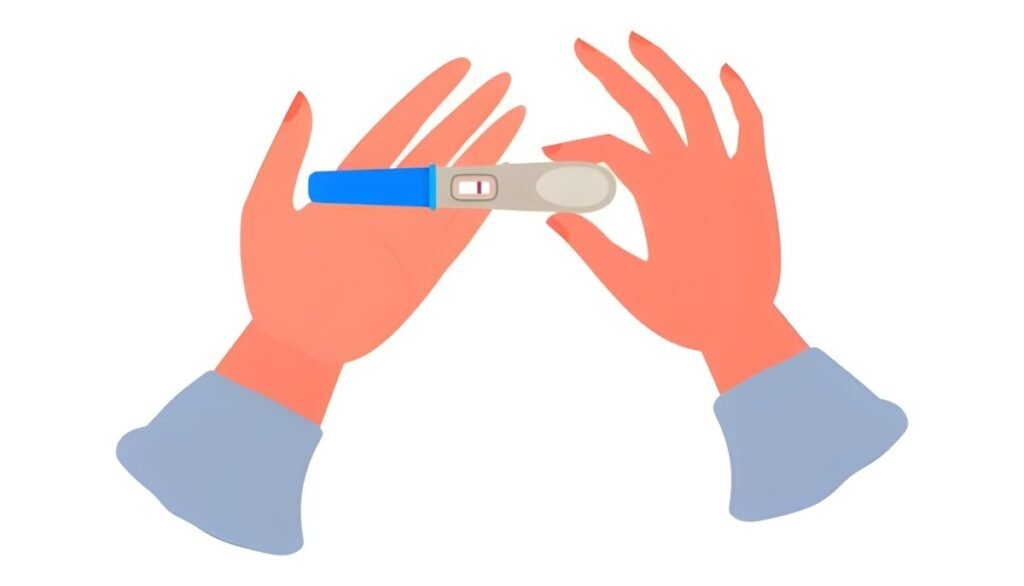
At 16 days past ovulation (DPO), your period is typically two days late, and a negative result on a home pregnancy test (HPT) can be both confusing and frustrating. While HPTs are highly accurate at this stage, a negative does not necessarily rule out pregnancy entirely. There are several biological and timing factors that might explain why your test is negative even if you've conceived.
The 16 DPO Reality Check
Fact: By 16 DPO, most viable pregnancies will produce enough hCG to result in a clear positive on an HPT. If your test is negative, it's generally accurate. However, if your cycle is irregular or your ovulation was late, a negative test may still be a false negative.
Why Your Test Might Be Negative
A negative test at 16 DPO usually means you are not pregnant this cycle, and your period may arrive soon. But if your period remains absent, consider these common reasons for a false negative:
1. Late Ovulation or Implantation Timing
- Late Ovulation: Your body may have ovulated later than you calculated. If you were 2 or 3 days off, 16 DPO may actually be closer to 13 DPO, where hCG levels might still be too low.
- Late Implantation: Implantation can happen anywhere from 6 to 12 DPO. If implantation occurred on Day 12, it only leaves 4 days for hCG to build up. Since hCG needs 48 to 72 hours to double, it may not have reached the 25 mIU/mL threshold required for detection by an HPT yet.
2. Testing Technique and Dilution
- Urine Dilution: If you tested later in the day, or drank significant fluids beforehand, your urine may be diluted. Diluted urine lowers the concentration of hCG, potentially resulting in a negative even if the hormone is present.
- Test Sensitivity: Not all HPTs have the same sensitivity. Some are designed to detect lower levels of hCG (e.g., 10 mIU/mL) than standard tests.
3. Non-Pregnancy Causes for a Missed Period
If you are not pregnant, your late period could be due to factors completely unrelated to conception:
- Significant stress or emotional changes.
- Recent illness or starting new medications.
- Sudden, intense changes in diet or exercise routine.
- Hormonal imbalances (PCOS, thyroid issues).
Action Plan: What to Do Next
If you're at 16 DPO with a negative test, the best strategy is to wait and retest. Don't let the uncertainty continue; follow these steps:
1. Retest in 48-72 Hours
- Wait 2-3 days and test again. This allows enough time for hCG levels to double if a pregnancy is underway.
- Use First Morning Urine (FMU). This is the most concentrated urine of the day and offers the best chance of detecting low levels of hCG.
- Use a high-sensitivity test (check the packaging for mIU/mL).
2. Consult Your Healthcare Provider
If your period is more than a week late, or if you get a second negative result at 18-19 DPO, it's time to call your doctor. They can offer one of two definitive tests:
- Quantitative Blood Test (Beta-hCG): This test accurately measures the exact amount of hCG in your blood, which is often detectable earlier and more reliably than a urine test.
- Investigating Late Cycle: Your doctor can run hormone panels to determine the cause of your delayed period if pregnancy is ruled out.
Symptoms at 16 DPO
By 16 DPO, the symptoms of early pregnancy and impending menstruation are nearly indistinguishable. The only real difference is whether your period starts.
If pregnant, the symptoms (sore breasts, fatigue, mild cramping) will persist and often intensify due to rising hCG. If you are not pregnant, these symptoms should vanish as your period begins.
Remember to stay patient and kind to yourself during this final stage of the waiting process. The delay doesn't rule out a positive yet!
© | The Fertility Resource Center.