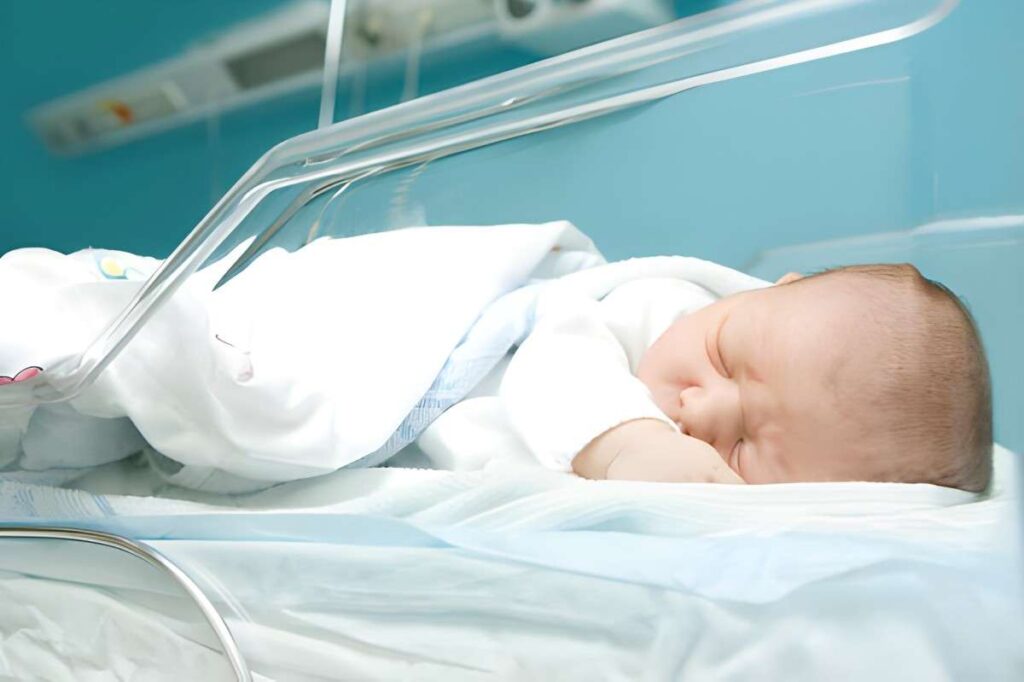
Welcome Home: The Comprehensive Newborn Discharge and Care Manual
A Specialist-Led Guide for Your First Days of Parenthood
Umbilical Cord Care: The Path to Healing
The umbilical cord represents the first major healing process your newborn undergoes. Following delivery, the cord stump begins a process of drying and eventually detaching. As a specialist, I advocate for the dry care approach, which current research supports as the most effective method for preventing infection and promoting timely detachment.
In years past, parents often received instructions to use alcohol swabs on the stump. However, evidence now shows that alcohol kills beneficial bacteria that help the cord dry and fall off, potentially delaying the process. Your role involves keeping the area clean, dry, and exposed to air as much as possible.
1. Keep it Dry: Fold the front of the diaper down so the stump remains exposed to the air. This prevents the cord from being soaked in urine.
2. Gentle Cleaning: If the cord becomes soiled with stool or urine, use only warm water and a soft cotton swab to clean it. Pat it dry immediately.
3. Hands Off: Never pull or tug on the cord, even if it appears to be hanging by a tiny thread. Let it fall off naturally to prevent bleeding.
Safe Sleep Environment: ABCs of Prevention
One of the most vital discharge instructions focuses on the sleep environment. To significantly reduce the risk of Sudden Infant Death Syndrome (SIDS), we follow the ABC protocol established by the American Academy of Pediatrics. This standard ensures that your son remains safe during the 14 to 17 hours he spends sleeping each day.
The infant should sleep in his own dedicated space. While room-sharing is highly recommended for the first six months, bed-sharing poses significant risks of suffocation or entrapment.
Always place your newborn on his back for every sleep period, including naps. Once your baby can roll over consistently in both directions, you do not need to flip him back, but the starting position remains the same.
Use a firm, flat sleep surface (crib, bassinet, or pack-and-play) covered only by a fitted sheet. Avoid all soft bedding, including bumpers, pillows, blankets, or stuffed animals.
Essential Safe Sleep Guidelines:
- No Inclined Sleepers: Never use bouncers, swings, or car seats for routine sleep. If your baby falls asleep in a car seat, move him to a firm, flat surface as soon as possible.
- Temperature Check: Keep the room between 68 and 72 degrees Fahrenheit. Overheating increases SIDS risk.
- Pacifier Use: Consider offering a pacifier at naptime and bedtime once breastfeeding is well-established, as this has a protective effect.
Feeding and Hydration: Monitoring the Metrics
Whether you choose breastfeeding, formula, or a combination, monitoring intake and output serves as your primary tool for ensuring your newborn stays hydrated. In the first week of life, the expected number of wet and soiled diapers changes daily as the infant's stomach capacity grows and the mother's milk transitions.
| Day of Life | Stomach Capacity | Expected Wet Diapers | Stool Appearance |
|---|---|---|---|
| Day 1 | 5–7 mL (Size of a cherry) | 1 | Thick, black, tarry (Meconium) |
| Day 3 | 22–27 mL (Size of a walnut) | 3 | Greenish-brown (Transitional) |
| Day 5 | 45–60 mL (Size of an apricot) | 5 | Yellow, seedy, or mustard-like |
| Day 7+ | 80–150 mL (Size of a large egg) | 6–8 | Consistent yellow/gold |
For formula-fed infants, the volume typically starts at 15 to 30 mL (0.5 to 1 ounce) per feeding in the first 48 hours, increasing to 60 to 90 mL (2 to 3 ounces) by the end of the first week. Breastfed infants should nurse 8 to 12 times in a 24-hour period. Active swallowing and a settled baby after feeds are the best indicators of a successful session.
Bathing and Skin Integrity: Gentle Hygiene
Newborn skin is incredibly delicate and possesses a naturally acidic pH that protects against bacteria. For the first few weeks, "less is more" regarding bathing. Your discharge nurse will emphasize that full immersion in a tub is prohibited until the umbilical cord has detached and the site has fully healed.
1. Preparation: Gather all supplies (warm water, two washcloths, mild soap, clean diaper) before undressing the baby to prevent chilling.
2. The "Top-Down" Method: Start with the face, using only plain water for the eyes (wipe from inner to outer corner). Wash the rest of the body with mild, fragrance-free soap, leaving the diaper area for last.
3. Skin Folds: Pay special attention to the neck, armpits, and groin area. Moisture trapped in these folds can lead to irritation or yeast infections.
Avoid using lotions, powders, or scented oils on your newborn's skin. Most "baby" products contain fragrances that can cause contact dermatitis. If your son develops dry, peeling skin—especially on the hands and feet—remember that this is a normal shedding of the outer layer (vernix) and does not require treatment.
Thermoregulation: Dressing for Comfort
Newborns cannot regulate their body temperature as efficiently as adults. They lose heat four times faster than we do, primarily through their skin and head. Proper layering is essential for maintaining a core temperature between 97.7 and 99.3 degrees Fahrenheit.
Signs of Temperature Imbalance:
- Too Cold: Pale skin, lethargy, or cold-to-the-touch chest. If the chest feels cool, add a layer immediately.
- Too Warm: Sweating, damp hair, heat rash, or rapid breathing. Overheating is a SIDS risk; remove a layer if the baby feels hot or flushed.
Understanding Newborn Behavior: Normal vs. Not
The first few days at home involve learning your son's unique cues. Many "scary" behaviors are actually normal physiological responses as his nervous system matures. Distinguishing these from actual distress will help you remain calm and confident.
| Behavior | Is it Normal? | Specialist Explanation |
|---|---|---|
| Moro Reflex | Yes | A "startle" reflex where the baby throws back his head and extends arms/legs when surprised. |
| Periodic Breathing | Yes | Bursts of rapid breathing followed by a 5–10 second pause. Normal if the baby remains pink. |
| Hiccups & Sneezing | Yes | Clearing the nasal passages and managing a developing diaphragm. Not a sign of a cold. |
| Nasal Congestion | Usually | Newborns are "obligate nose breathers." Use a saline mist and bulb syringe if feeding is difficult. |
The Red-Flag Protocol: When to Call the Pediatrician
While most newborns transition smoothly, you must be prepared to act if symptoms of illness or distress appear. In the United States, pediatricians prioritize newborn calls. Do not hesitate to use the after-hours nurse line if your son exhibits any of the following indicators.
- Fever: Any rectal temperature of 100.4 F (38 C) or higher is a medical emergency for a newborn.
- Respiratory Distress: Grunting sounds with every breath, flaring of the nostrils, or "retractions" (skin pulling in between the ribs).
- Jaundice: Yellowing of the skin that extends down to the chest, abdomen, or whites of the eyes.
- Dehydration: Fewer than 6 wet diapers in 24 hours after the first week, or a sunken soft spot (fontanelle) on the head.
- Lethargy: Difficulty waking the baby for feeds or a baby who is too weak to cry or suck.
- Biliary Vomiting: Forceful vomiting that appears bright green.
Trust your parental intuition. If your son "just doesn't seem right" or is inconsolably crying for hours despite being fed, dry, and warm, a professional evaluation is warranted. As you move into , remember that you are your son's best advocate. Your attentive care during these first weeks builds the foundation for a healthy, thriving childhood.
Discharge Readiness Checklist
- ✔️ Car seat installed correctly and inspected?
- ✔️ Pediatrician follow-up appointment scheduled (usually within 48 hours)?
- ✔️ Safe sleep space prepared with a firm, flat mattress?
- ✔️ Digital thermometer (rectal) and bulb syringe on hand?
- ✔️ Support system (partner, family, or help) in place for the first week?