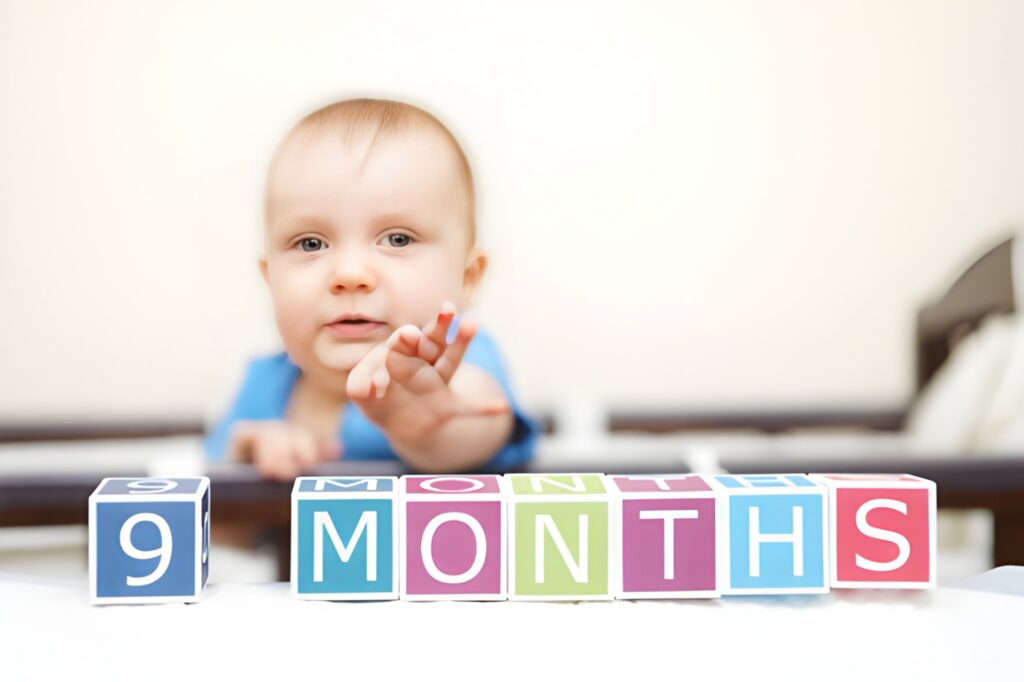
Child development is a dynamic field focused on supporting the growth, learning, and well-being of children from infancy through adolescence. Careers in this sector span education, healthcare, therapy, research, and advocacy. Professionals in child development contribute to shaping children’s physical, cognitive, social, and emotional growth while promoting safe and nurturing environments. Understanding potential career paths can help students, caregivers, and early childhood enthusiasts identify opportunities to make a meaningful impact.
10 Careers in Child Development
- Early Childhood Educator (Preschool Teacher)
- Role: Educates children aged 0–5 years, creating age-appropriate learning activities, fostering social skills, and monitoring developmental progress.
- Skills Needed: Patience, creativity, communication, and knowledge of child development theories.
- Workplaces: Preschools, daycare centers, early learning programs.
- Child Psychologist
- Role: Assesses, diagnoses, and treats emotional, behavioral, and developmental challenges in children. Provides counseling and interventions.
- Skills Needed: Strong analytical and interpersonal skills, understanding of cognitive and emotional development.
- Workplaces: Clinics, hospitals, schools, private practice.
- Speech-Language Pathologist (SLP)
- Role: Evaluates and treats communication disorders, speech delays, and language difficulties in children.
- Skills Needed: Knowledge of speech and language development, patience, and therapy techniques.
- Workplaces: Hospitals, schools, rehabilitation centers, private practice.
- Occupational Therapist (OT)
- Role: Supports children with physical, sensory, or developmental challenges to improve motor skills, self-care, and daily functioning.
- Skills Needed: Knowledge of physical and cognitive development, creativity in therapy activities.
- Workplaces: Clinics, hospitals, schools, home-based therapy programs.
- Child Life Specialist
- Role: Helps children cope with hospitalization, illness, or trauma through play, education, and emotional support.
- Skills Needed: Empathy, communication, understanding of pediatric development and psychology.
- Workplaces: Hospitals, clinics, community health programs.
- Early Intervention Specialist
- Role: Works with infants and toddlers with developmental delays or disabilities, providing support, therapy, and guidance to families.
- Skills Needed: Knowledge of early childhood development, patience, and individualized intervention planning.
- Workplaces: Early intervention programs, home-based services, therapy centers.
- Childcare Center Director / Administrator
- Role: Oversees operations of childcare or early education centers, manages staff, ensures compliance with regulations, and promotes quality programming.
- Skills Needed: Leadership, management, knowledge of child development, and organizational skills.
- Workplaces: Preschools, daycare centers, educational organizations.
- School Counselor / Guidance Counselor
- Role: Supports children’s emotional, social, and academic development, helping them navigate challenges and make positive choices.
- Skills Needed: Counseling, problem-solving, communication, and understanding of child development.
- Workplaces: Elementary and secondary schools, community organizations.
- Child Development Researcher
- Role: Studies child behavior, learning, health, and social development to inform best practices, policy, and educational programs.
- Skills Needed: Research methodology, analytical thinking, data interpretation, and knowledge of developmental theories.
- Workplaces: Universities, research institutions, policy organizations.
- Parent Educator / Family Support Specialist
- Role: Guides and educates parents on child development, behavior management, health, and early learning strategies.
- Skills Needed: Communication, coaching, empathy, knowledge of developmental milestones.
- Workplaces: Community centers, non-profits, early intervention programs, hospitals.
Conclusion
Careers in child development offer diverse opportunities to influence children’s growth, learning, and well-being. From direct care roles like early childhood educators to specialized positions in therapy, counseling, and research, professionals in this field make a lasting impact on children and families. Success in these careers requires a combination of education, practical experience, empathy, and a deep understanding of developmental principles. Choosing a career in child development not only provides personal fulfillment but also contributes to the healthy growth and future success of children across communities.