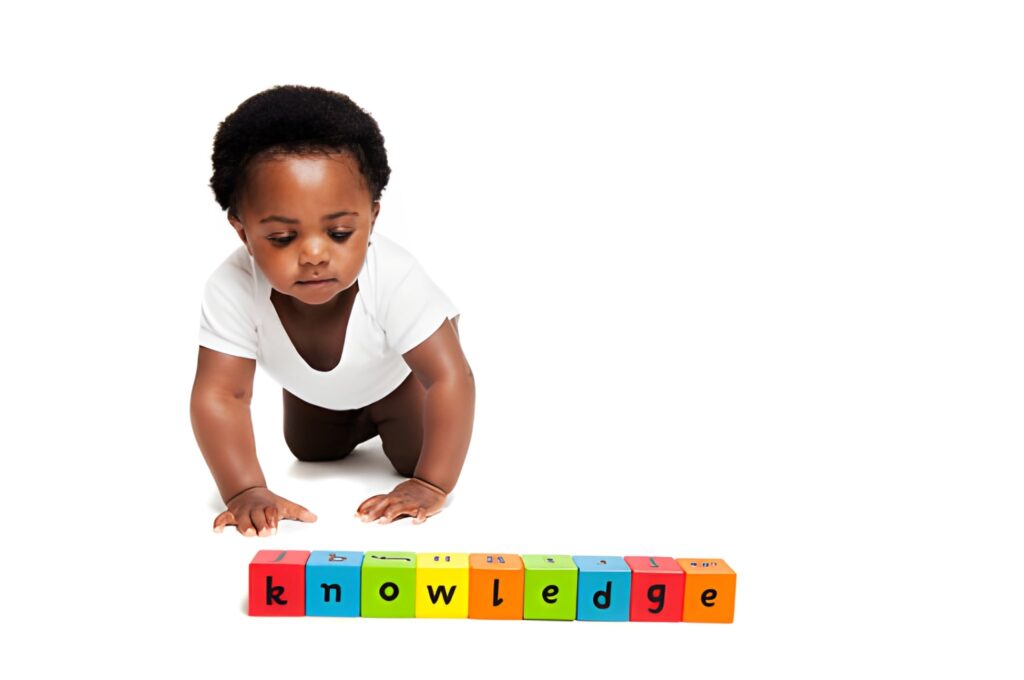
Child development is influenced by a complex interplay of biological, environmental, social, and psychological factors. Understanding these factors helps parents, caregivers, and educators create supportive environments that foster optimal growth across physical, cognitive, emotional, and social domains. While each child is unique, several key influences consistently affect how children learn, interact, and develop.
10 Factors Affecting Child Development
- Genetics and Heredity
Children inherit traits, abilities, and predispositions from their parents, which influence physical growth, intelligence, temperament, and susceptibility to certain health conditions. Genetic factors establish the potential for development, though environment plays a significant role in realizing it. - Nutrition
Proper nutrition is essential for brain development, physical growth, immune function, and overall health. Malnutrition or inadequate intake of vitamins and minerals can lead to developmental delays, stunted growth, or cognitive impairments. - Health and Physical Well-Being
Regular health care, vaccinations, and prompt treatment of illnesses ensure children remain physically capable of learning and interacting. Chronic illness, disabilities, or untreated medical conditions can affect motor skills, attention, and social-emotional growth. - Family Environment and Parenting
Warm, responsive, and supportive parenting fosters secure attachment, self-esteem, and social competence. Conversely, neglect, abuse, or inconsistent caregiving can negatively impact emotional and cognitive development. - Socioeconomic Status
Access to resources such as education, nutritious food, safe housing, and healthcare influences child development. Children from lower socioeconomic backgrounds may face increased stress and fewer opportunities for learning and enrichment. - Education and Learning Opportunities
Exposure to age-appropriate education, stimulating activities, and early learning experiences supports cognitive, language, and social development. Lack of educational stimulation can delay academic readiness and problem-solving skills. - Cultural and Social Influences
Cultural beliefs, traditions, and social norms shape values, behavior, communication styles, and learning experiences. Social expectations also influence the opportunities and resources available to children. - Peer and Community Relationships
Interaction with peers and the broader community supports social skills, empathy, cooperation, and conflict resolution. Positive peer relationships promote emotional regulation, while social isolation may hinder social development. - Emotional and Psychological Factors
A child’s emotional environment—including exposure to stress, trauma, or supportive relationships—affects cognitive growth, social skills, and mental health. Secure, nurturing relationships enhance resilience and self-confidence. - Physical Environment
Safe, clean, and stimulating surroundings allow children to explore and learn effectively. Environments lacking safety, sensory stimulation, or enrichment can limit exploration, physical activity, and cognitive engagement.
Conclusion
Child development is shaped by an intricate combination of genetics, environment, parenting, health, and social influences. While some factors are innate, many are modifiable, highlighting the importance of providing supportive, nurturing, and enriching environments. By understanding these ten key factors, caregivers and educators can promote holistic growth, ensuring children reach their developmental potential across physical, cognitive, social, and emotional domains.