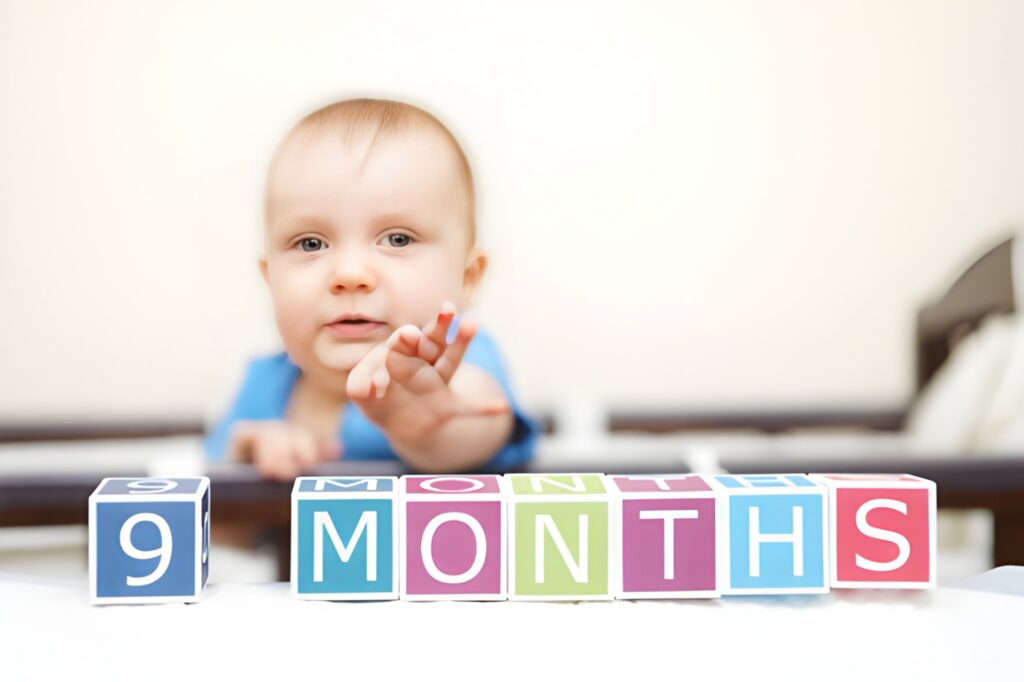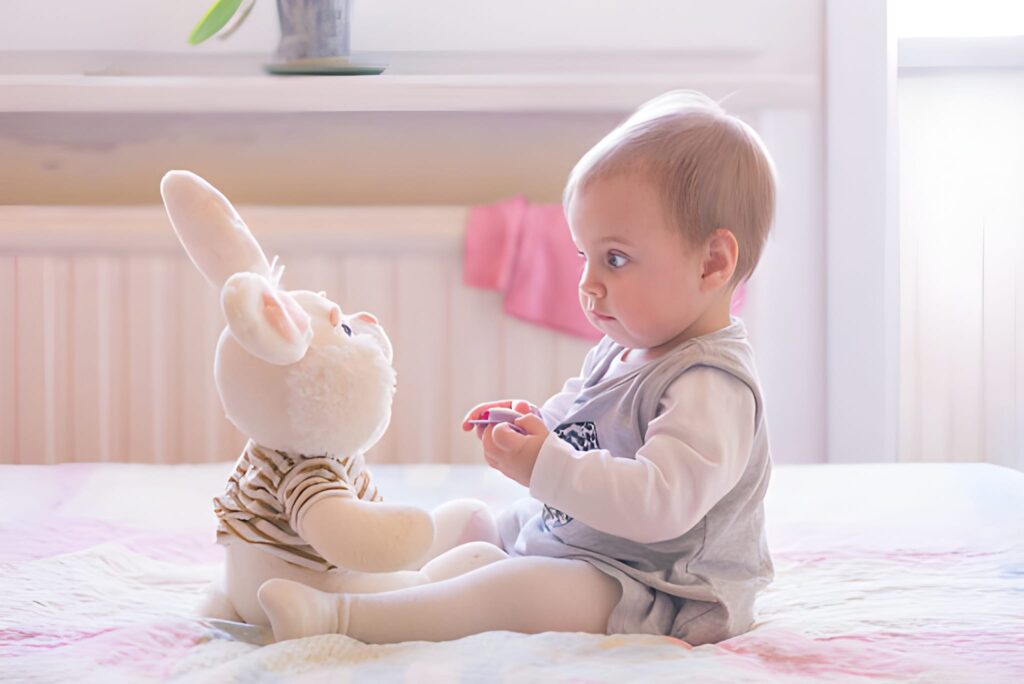
At 10 months, infants are rapidly progressing toward toddlerhood. This stage is characterized by increasing mobility, curiosity, communication, and social interaction. Understanding the developmental milestones at 10 months helps caregivers provide supportive environments, promote healthy growth, and address the needs of the child effectively.
Physical Development
Physical growth at 10 months focuses on strengthening muscles, improving coordination, and preparing for independent movement.
Motor Skill Milestones (10 Months)
| Skill Type | Milestones |
|---|---|
| Gross Motor | Sits steadily without support, crawls efficiently, may pull to stand, cruises along furniture |
| Fine Motor | Develops pincer grasp (using thumb and forefinger), transfers objects between hands, begins clapping, points at objects |
Cognitive Development
Cognitive skills at 10 months include problem-solving, memory, and exploration. Infants are beginning to understand cause-and-effect relationships and show curiosity about their environment.
Cognitive Milestones:
- Finds partially hidden objects (developing object permanence)
- Explores toys in various ways (shaking, banging, mouthing)
- Understands simple instructions when accompanied by gestures
- Begins imitating actions of adults and older children
Language Development
Language growth at 10 months includes babbling, responding to speech, and understanding simple words. Communication is a mix of sounds, gestures, and expressions.
| Aspect | Milestones |
|---|---|
| Receptive Language | Recognizes familiar words, responds to name, follows simple verbal cues |
| Expressive Language | Babbles with consonant-vowel combinations (e.g., “ba,” “da”), may say “mama” or “dada” meaningfully, uses gestures like waving or pointing |
Social and Emotional Development
Social-emotional growth at 10 months is characterized by attachment, empathy, and early social interaction.
Social-Emotional Milestones:
- Shows strong attachment to primary caregivers
- Experiences separation anxiety when apart from familiar people
- Enjoys interactive games like peek-a-boo
- Expresses emotions like joy, frustration, and curiosity
Sensory Development
Sensory experiences remain crucial for exploration and learning. Infants use touch, sight, hearing, taste, and smell to understand their environment.
Sensory Milestones:
- Tracks moving objects visually
- Recognizes familiar voices and responds to them
- Explores textures and objects with hands and mouth
- Reacts to new tastes and sounds
Practical Strategies for Supporting 10-Month Development
- Encourage safe crawling and cruising to strengthen muscles and coordination
- Offer toys that promote problem-solving and fine motor skills, such as stacking cups or textured blocks
- Talk, sing, and read to the child to enhance language skills
- Engage in interactive play to support social and emotional growth
- Provide a safe environment with varied sensory experiences
Conclusion
At 10 months, children are becoming more mobile, communicative, and socially aware. They make significant progress in motor skills, cognitive understanding, language, and emotional development. Understanding these milestones helps caregivers provide safe, stimulating, and supportive environments that foster exploration, learning, and confidence. Responsive care, enriched play, and opportunities for social interaction are essential for helping 10-month-olds thrive during this important stage of development.