Child growth and development are guided by fundamental principles that help caregivers, educators, and parents understand how children progress physically, cognitively, socially, and emotionally. Recognizing these principles ensures that children are provided with environments and experiences that support healthy development, learning, and well-being.
10 Principles of Child Growth and Development
- Development Is Continuous
Growth and development occur throughout childhood in a continuous, lifelong process. Each stage builds on the previous one, laying a foundation for future learning, skills, and behavior. - Development Follows a Predictable Sequence
Although the pace may vary, children generally follow predictable patterns in physical, cognitive, emotional, and social development. Understanding these sequences helps in identifying typical versus atypical development. - Development Proceeds from Simple to Complex
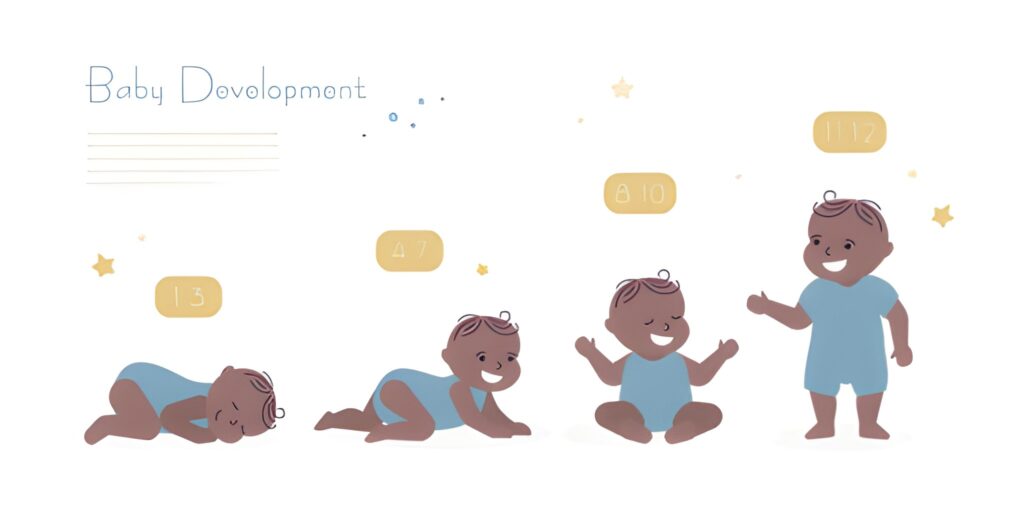
Children first acquire basic skills before advancing to more complex abilities. For example, they learn to crawl before walking and babble before forming words. - Development Proceeds from General to Specific
Gross motor skills develop before fine motor skills. Large muscle control precedes precise, smaller movements such as using a pincer grasp or writing. - Development Is Interrelated
Physical, cognitive, social, emotional, and language development are interconnected. Progress in one area often supports growth in another, highlighting the importance of holistic care and learning. - Children Develop at Individual Rates
Every child has a unique developmental pace influenced by genetics, environment, experiences, and personality. Variations in milestones are normal and expected. - Early Experiences Are Crucial
The early years significantly impact brain development and learning potential. Nurturing, responsive interactions and stimulation during this period shape lifelong abilities. - Development Is Influenced by Heredity and Environment
Genetics provide potential, while environmental factors—such as nutrition, family, culture, and social interaction—determine how that potential is realized. - Children Are Active Learners
Children learn by exploring, experimenting, observing, and interacting with their surroundings. Active engagement promotes cognitive, social, and emotional growth. - Development Requires Support and Guidance
While children have innate potential, supportive environments, encouragement, and appropriate interventions maximize growth and skill acquisition. Caregivers and educators play a critical role in fostering development.
Conclusion
Understanding these ten principles of child growth and development provides a foundation for effective caregiving and education. Recognizing that development is continuous, interrelated, and influenced by genetics, environment, and experience allows adults to create nurturing, stimulating, and safe spaces for children. Applying these principles ensures that children acquire the skills, confidence, and resilience necessary to thrive across all areas of life.