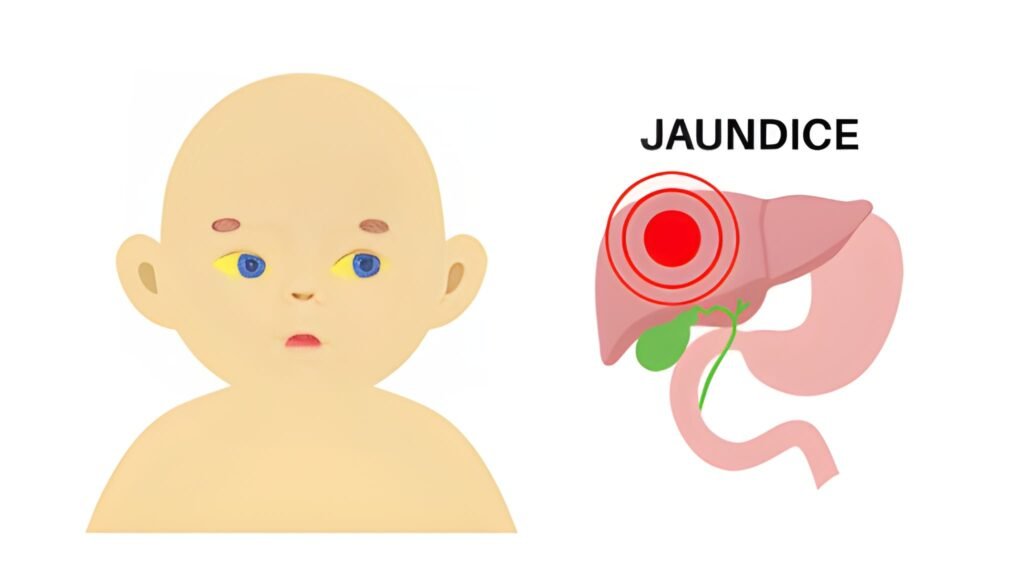
Newborn Physiologic Jaundice: A Specialist's Guide to the "Yellow Phase"
Understanding why babies turn yellow and how the body manages bilirubin naturally.
During the first week of life, approximately 60 percent of full-term infants and 80 percent of preterm infants develop a yellowish tint to their skin and the whites of their eyes. This phenomenon, known as physiologic jaundice, often causes immediate concern for new parents. However, from a specialist perspective, this is frequently a normal part of the newborn's adaptation to life outside the womb. Understanding the mechanics of bilirubin and the liver's developmental curve helps distinguish a healthy transition from a medical emergency.
The Nature of Physiologic Jaundice
Physiologic jaundice is not a disease but rather a symptom of a temporary imbalance. In the womb, a fetus requires a high concentration of red blood cells to extract oxygen from the mother's blood. Once the baby is born and begins breathing air, they no longer need this surplus of cells. The body begins to break down these extra red blood cells, which releases a byproduct called bilirubin.
Bilirubin is a yellow pigment that must be processed by the liver to be excreted from the body. Because a newborn’s liver is still maturing, it often cannot keep pace with the sheer volume of bilirubin being produced in those first few days. The result is a temporary buildup in the bloodstream, which then deposits into the skin and fatty tissues, creating the characteristic yellow glow.
The Bilirubin Cycle Explained
To manage jaundice effectively, we must look at the three-stage process of bilirubin metabolism. Interference at any of these stages can lead to elevated levels.
Physiologic vs. Pathologic Jaundice
The most critical task for a pediatrician is determining if the jaundice is "physiologic" (normal) or "pathologic" (indicative of an underlying problem). The timing of the onset is our most reliable clue.
| Characteristic | Physiologic Jaundice | Pathologic Jaundice |
|---|---|---|
| Onset | Starts after 24 to 36 hours. | Appears in the first 24 hours. |
| Peak Level | Day 3 to Day 5. | Can peak rapidly or stay high. |
| Duration | Resolves by Day 10 to 14. | Persists beyond 2 to 3 weeks. |
| Bilirubin Type | Unconjugated. | May involve Conjugated bilirubin. |
| Cause | Immature liver function. | Blood type mismatch, infection, or enzyme deficiency. |
The Normal Timeline: Day 1 to Day 14
In a standard case of physiologic jaundice, the yellowing follows a very predictable pattern. It typically begins at the head and moves downward toward the toes as levels increase.
- Day 1: The baby is usually pink. Any yellowing on the first day is a red flag.
- Day 2-3: Yellowing appears on the face and upper chest.
- Day 4-5: This is the "peak." The liver is working at capacity, and the jaundice may reach the abdomen or thighs.
- Day 7-10: The liver "wakes up" fully, and the yellowing begins to fade from the feet upward.
Visual Assessment: The Kramer Scale
While blood tests are the only way to be 100 percent certain of bilirubin levels, specialists use the Kramer Scale to estimate severity based on skin color. To check this at home, press gently on the baby’s skin with one finger. When you lift your finger, look at the blanched skin underneath.
Approx. 5 mg/dL
Approx. 9 mg/dL
Approx. 12 mg/dL
Approx. 15 mg/dL
Feeding and Elimination Strategies
The most effective "medicine" for physiologic jaundice is frequent feeding. Bilirubin is primarily excreted through feces. If a baby is not eating enough, they will not produce enough dirty diapers, and the bilirubin will remain in the system.
Phototherapy and Medical Interventions
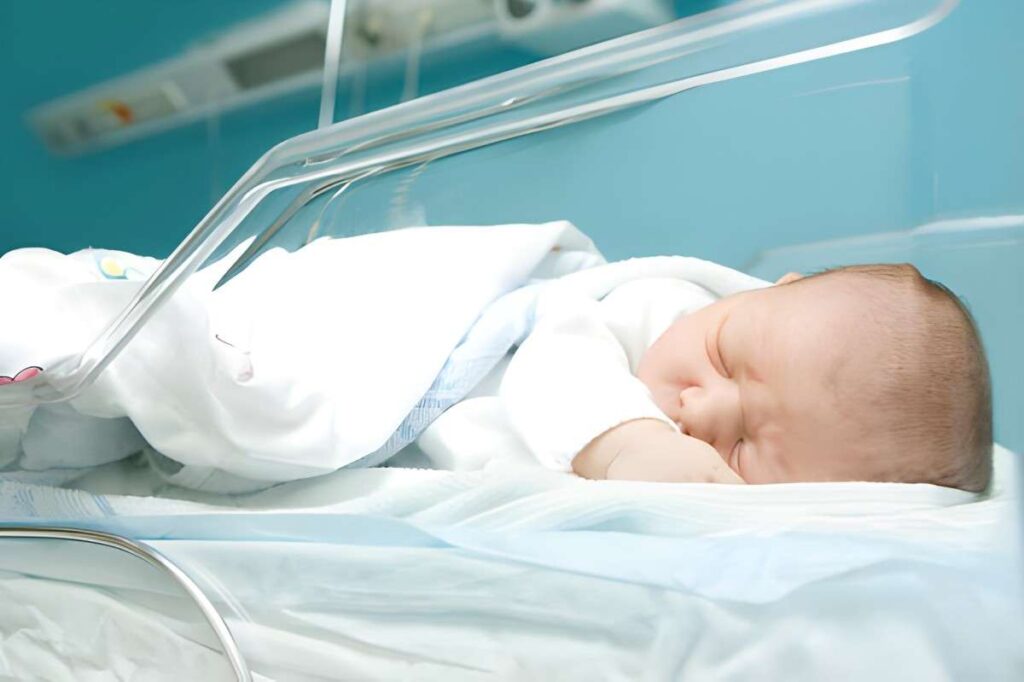
When bilirubin levels reach a specific threshold (which varies based on the baby's age in hours and their birth weight), phototherapy is used. This is not just a "light bath"; it is a specific wavelength of blue-green light (460 to 490 nm).
This light changes the shape and structure of bilirubin molecules in the skin through a process called photo-oxidation. This transformed bilirubin is water-soluble and can be excreted in the urine and bile without needing to be processed by the liver first.
Breastfeeding vs. Breast Milk Jaundice
There are two distinct types of jaundice related to nursing that parents often confuse:
Breastfeeding Jaundice (Not enough milk)
This occurs in the first week of life. It is essentially "starvation jaundice" caused by a slow start to breastfeeding or a poor latch. The lack of calories slows down the gut, leading to higher bilirubin reabsorption.
Breast Milk Jaundice (The milk itself)
This appears later, often around Day 7 to 10, and can last for several weeks. Substances in the mother's milk may temporarily block the liver's ability to process bilirubin. This is generally harmless and rarely requires stopping breastfeeding.
When Jaundice Becomes a Concern
While most jaundice is benign, extremely high levels of bilirubin can cross the blood-brain barrier and cause a condition called kernicterus. Call your pediatrician immediately if you notice:
- Jaundice appearing in the first 24 hours of life.
- The yellowing spreading to the palms of the hands or soles of the feet.
- The baby becomes very difficult to wake for feedings (excessive lethargy).
- The baby has a high-pitched, inconsolable cry.
- An arched back or stiff neck (opisthotonus).
- The baby is not producing at least 6 wet diapers by Day 5.
Physiologic jaundice is a visual reminder of the incredible transformations occurring within a newborn's body. By ensuring frequent feedings and keeping a close eye on the visual "descent" of the yellowing, parents can navigate this period with confidence. In the vast majority of cases, the yellow tint will fade naturally by the end of the second week, leaving behind a baby with a fully functioning liver ready for the next stages of growth.