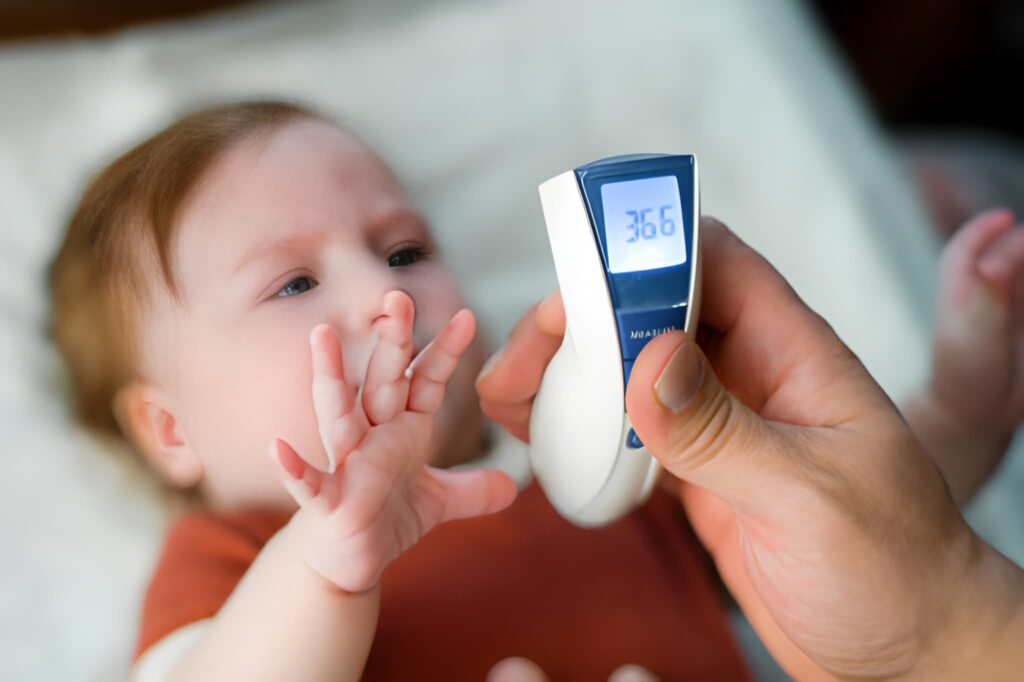
Thermal Balance: The Definitive Guide to Newborn Body Temperature
A Specialist’s Manual for Parents and Neonatal Caregivers
The Gold Standard: Defining the Normal Range
As a specialist in neonatal care, I emphasize that a newborn's temperature is one of the most critical "vital signs" we monitor. Unlike adults, who maintain a very steady internal environment, newborns exist in a state of transition. Their bodies must learn to balance heat production with heat loss in a world significantly cooler than the womb.
The medical community generally accepts a narrow window for "normal." Deviations of even one degree can signify that the infant is working too hard to stay warm or is beginning to fight an infection. We typically measure temperature in two ways: axillary (under the arm) for routine checks and rectal for clinical accuracy when a fever is suspected.
| Measurement Site | Normal Range (Fahrenheit) | Normal Range (Celsius) | Clinical Usage |
|---|---|---|---|
| Axillary (Armpit) | 97.7 to 99.3 F | 36.5 to 37.4 C | Routine home screening and non-invasive checks. |
| Rectal (Core) | 97.9 to 100.2 F | 36.6 to 37.9 C | The "Gold Standard" for accuracy and fever confirmation. |
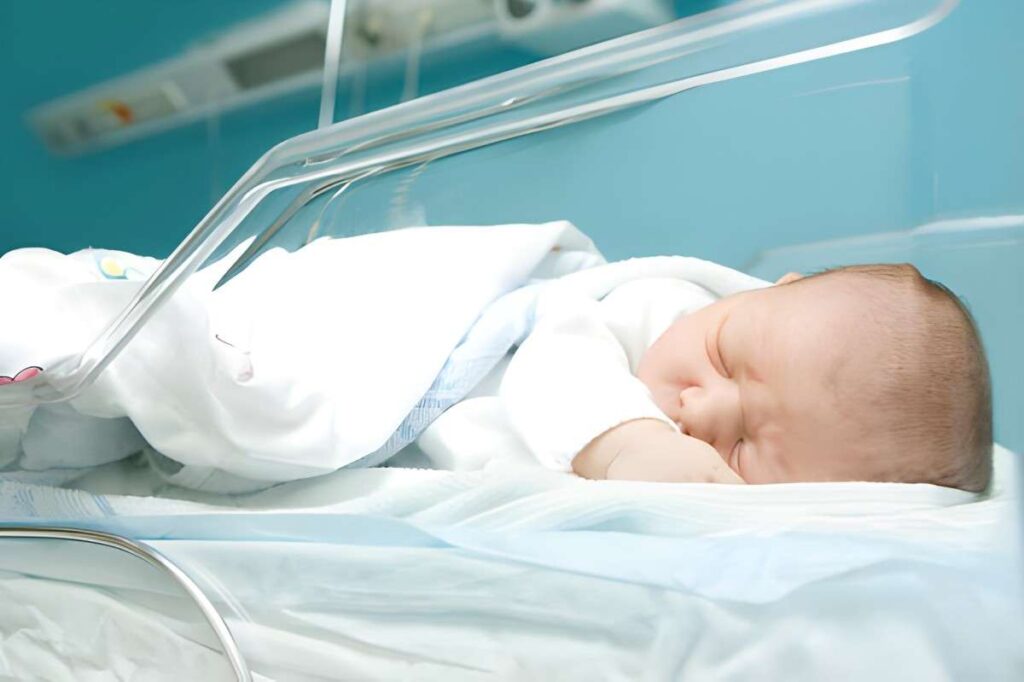
| Skin (Abdominal) | 96.8 to 97.7 F | 36.0 to 36.5 C | Used in NICU settings with continuous probe monitoring. |
Why Newborns Struggle: The Biology of Heat Loss
Infants are remarkably vulnerable to environmental temperature changes due to their unique physiological makeup. Understanding these challenges helps you anticipate their needs before they become stressed. There are four primary ways a newborn loses heat, and as a caregiver, you must manage each one.
Newborns have a very large skin surface area relative to their weight. This means they have a massive "radiator" through which heat can escape, but very little "bulk" to generate and store that heat. This is why a naked infant can lose core temperature in a matter of minutes if the room is cool.
Unlike older children and adults, newborns lack the thick layer of white insulating fat that protects against the cold. While they have specialized "brown fat" for heat production, their insulation is minimal, making them highly dependent on external layers like clothing and blankets.
Adults shiver to create heat through muscle friction. Newborns cannot do this. Instead, they rely on non-shivering thermogenesis, which involves breaking down brown adipose tissue (brown fat). This process consumes high amounts of oxygen and glucose, which can lead to respiratory distress or low blood sugar if the "cold stress" continues too long.
The Calculation of Heat Loss:
We often use the "Rule of Thumb" for dressing newborns in the US: Dress the baby in one layer more than you are wearing comfortably. If you are comfortable in a t-shirt, the baby should be in a onesie and a light swaddle.
Accuracy Matters: How to Measure Temperature Correctly
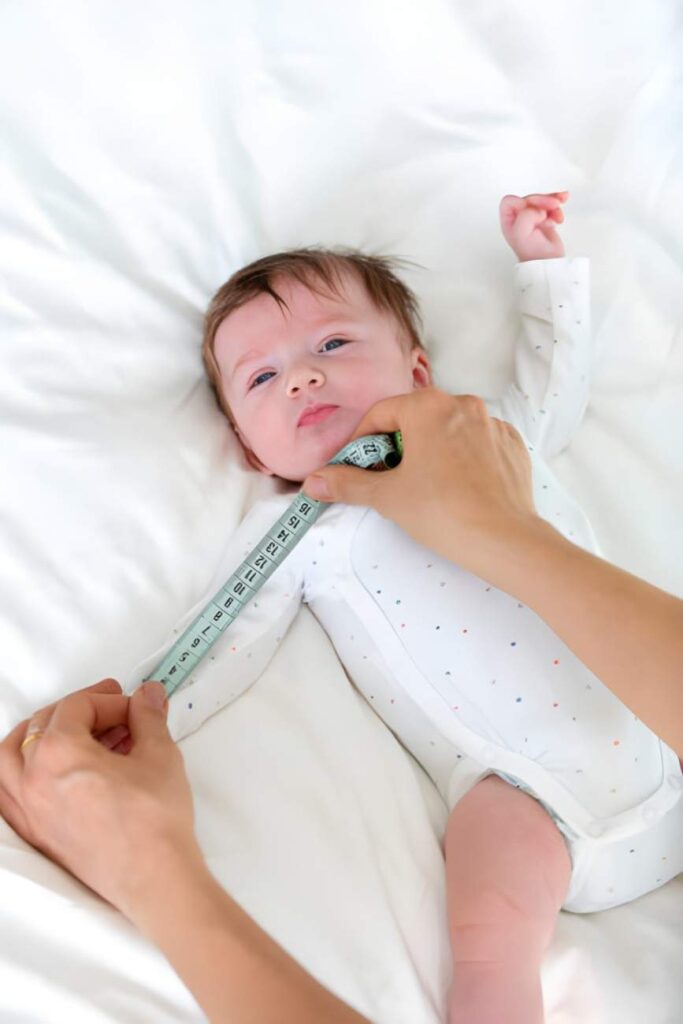
In the United States, pediatricians strongly recommend digital thermometers. Mercury thermometers are outdated and pose a significant safety risk due to potential breakage and toxic exposure. For home use, the axillary method is the safest starting point.
To convert Celsius to Fahrenheit: Multiply by 1.8 and add 32.
Example: 37 C x 1.8 = 66.6 + 32 = 98.6 F
To convert Fahrenheit to Celsius: Subtract 32 and multiply by 0.555.
Example: 100.4 F - 32 = 68.4 x 0.555 = 37.96 C
The Step-by-Step Axillary Method:
1. Remove the baby's shirt to expose the armpit area directly.
2. Ensure the armpit is dry; moisture can cause a falsely low reading.
3. Place the tip of the digital thermometer in the deepest fold of the armpit.
4. Hold the baby's arm firmly against their side to "seal" the thermometer in place.
5. Wait for the beep (usually 10 to 30 seconds) and read the display immediately.
Avoid using ear (tympanic) thermometers or forehead (temporal) scanners for infants under three months old. The ear canals of newborns are often too narrow for an accurate reading, and temporal scanners can be influenced by ambient room temperature or sweat, leading to unreliable data during critical moments.
Cold Stress: Recognizing the Dangers of Hypothermia
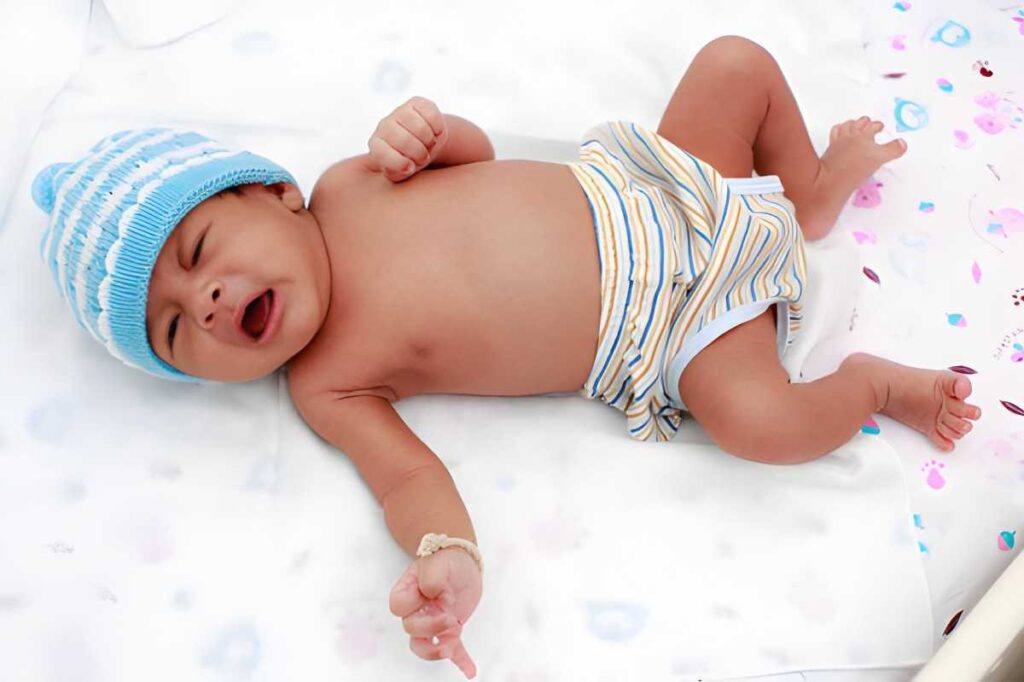
While parents often fear fever, hypothermia (low body temperature) is equally dangerous for a newborn. When an infant's temperature drops below 97.7 F (36.5 C), they enter a state of cold stress. Their metabolic rate increases as they try to generate heat, which rapidly depletes their energy reserves.
| Sign of Cold Stress | Physiological Reason | Required Action |
|---|---|---|
| Lethargy/Weak Cry | Energy is diverted to heat production. | Skin-to-skin contact immediately. |
| Poor Feeding | The baby is too tired to suckle effectively. | Warm the baby, then attempt feeding. |
| Pale or Blue Skin | Blood is pulled to the core to save organs. | Add layers and check temperature. |
| Rapid Breathing | Increased oxygen demand to burn brown fat. | Seek medical advice if breathing doesn't settle. |
If you find your baby's temperature is slightly low, the best "medicine" is often Kangaroo Care. Strip the baby down to a diaper and place them directly against your bare chest, covering both of you with a blanket. Your body heat is the most efficient incubator available.
When the Needle Rises: Understanding Neonatal Fever
In a newborn under 28 days old, a fever is defined as a rectal temperature of 100.4 F (38.0 C) or higher. This is a medical emergency until proven otherwise. Because a newborn's immune system is immature, an infection can spread through the bloodstream very quickly.
It is a common myth that teething causes high fevers; this is not true for newborns. Furthermore, you should never give a newborn fever-reducing medication (like Tylenol) without a direct order from a physician, as this can mask symptoms of a serious infection and make diagnosis more difficult in the emergency room.
Safe Sleep and Room Environment Strategies
Maintaining the right room temperature is a balance between preventing cold stress and avoiding the risk of SIDS (Sudden Infant Death Syndrome) associated with overheating. Most pediatric experts recommend keeping the nursery between 68 and 72 degrees Fahrenheit (20 to 22 degrees Celsius).
Overheating is a significant risk factor for SIDS. Signs that your baby is too warm include a sweaty chest, damp hair, or heat rash. Never use electric blankets or heating pads with a newborn. If the room is warm, a simple cotton onesie is sufficient.
Swaddling helps retain body heat and prevents the startle reflex from waking the baby. However, once a baby shows signs of rolling over, you must transition to a sleep sack to ensure their airway remains clear and they can move their limbs if they get too warm.
In the first few hours after birth, hats are essential because infants lose a high percentage of heat through their heads. However, once you are home and the baby is stable, hats should generally be avoided during sleep to prevent the risk of the hat sliding down and covering the face, and to allow for natural heat dissipation.
The Red-Flag Checklist for Immediate Medical Care
As we move through , healthcare access remains a priority for new families. Knowing when to call your pediatrician can save precious time. Use this checklist as a guide for your newborn's thermal health.
When to Call the Doctor Immediately:
- 🚩 Rectal temperature of 100.4 F (38.0 C) or higher.
- 🚩 Axillary temperature that remains below 97.7 F (36.5 C) after warming efforts.
- 🚩 Fever accompanied by extreme fussiness or "inconsolable" crying.
- 🚩 Fever accompanied by a purple or red spotted rash that doesn't fade when pressed.
- 🚩 Temperature instability (fluctuating between high and low).
- 🚩 Any fever in an infant who seems excessively sleepy or difficult to wake.
Your son's ability to regulate his temperature will improve every week as he grows and develops more insulating fat. By the time he reaches three to four months of age, his system will be much more robust. Until then, your careful monitoring and environmental management provide the steady "external thermostat" he needs to thrive during these first precious weeks of life.