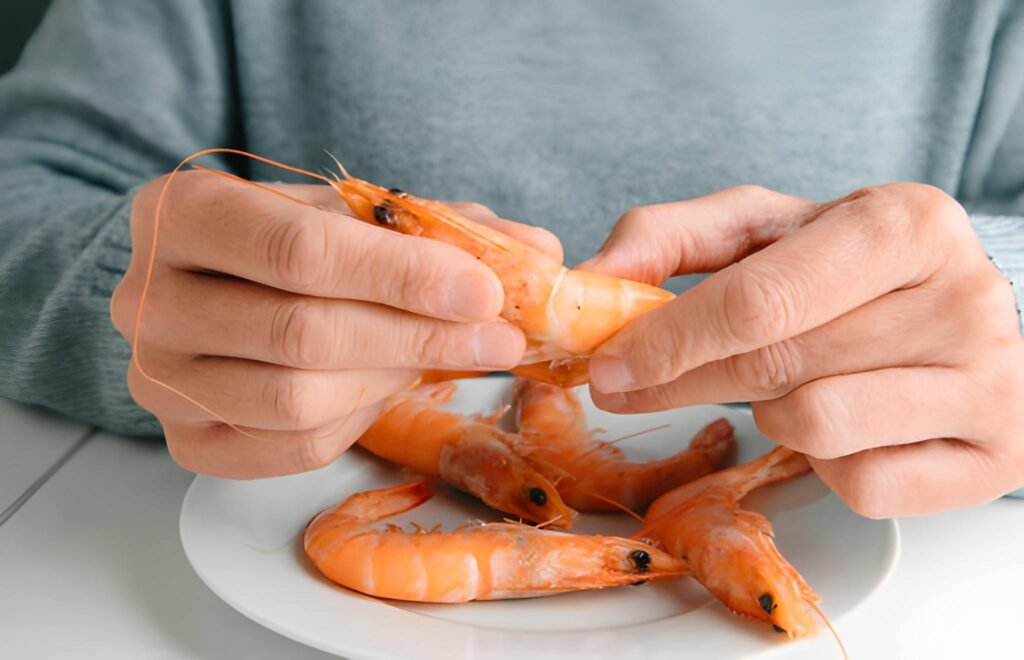
Prawns and Breastfeeding: The Complete Clinical and Nutritional Guide
Navigating Seafood Safety, Infant Brain Development, and Mercury Concerns in
Navigating the postpartum diet feels like walking through a minefield of conflicting advice. Seafood, in particular, carries a heavy burden of scrutiny due to long-standing fears regarding heavy metal contamination. However, as a specialist in maternal and child health, I view prawns (often used interchangeably with shrimp in the United States) as one of the most beneficial dietary additions for a nursing mother. They provide a dense source of lean protein and micronutrients that directly support both the mother's recovery and the infant's neurological development.
While some predatory fish require strict limitation, prawns occupy a unique ecological niche that makes them significantly safer. This long-form guide provides an evidence-based analysis of why prawns deserve a regular spot on your plate, how to calculate safe intake, and how to monitor your infant for sensitivities.
The Direct Answer: Safety First
Prawns represent one of the "Best Choices" in the seafood category according to the Food and Drug Administration (FDA) and the Environmental Protection Agency (EPA). For breastfeeding individuals, consuming prawns remains safe and encouraged. Most mothers can safely consume 2 to 3 servings (8 to 12 ounces) of low-mercury seafood like prawns per week without any risk to the nursing infant.
Unlike predatory fish such as Shark, Swordfish, or King Mackerel, prawns have short lifespans and feed lower on the food chain. This prevents the significant bioaccumulation of methylmercury, the primary compound that concerns healthcare providers. Consequently, the nutritional benefits of the fatty acids and minerals found in prawns far outweigh the negligible risks of trace metal exposure.
Understanding Mercury Levels
Mercury occurs naturally in the environment, but industrial activities have increased its presence in our oceans. When fish consume mercury, it binds to their muscle tissue. Because prawns are small and live shorter lives, they do not have the time or the biological capacity to store large quantities of this metal.
| Seafood Type | Average Mercury (PPM) | FDA Category | Weekly Serving Recommendation |
|---|---|---|---|
| Prawns / Shrimp | 0.009 | Best Choice | 2-3 Servings |
| Salmon | 0.022 | Best Choice | 2-3 Servings |
| Canned Light Tuna | 0.126 | Best Choice | 2-3 Servings |
| Albacore Tuna | 0.358 | Good Choice | 1 Serving |
| Swordfish | 0.995 | Avoid | Zero |
The data in the table above clearly illustrates why prawns are a staple in clinical nutrition plans for lactation. With an average mercury level of just 0.009 parts per million (PPM), they remain nearly 100 times safer than restricted predatory species.
Nutritional Profile for Postpartum
A breastfeeding mother requires an additional 500 calories daily, but more importantly, she needs specific building blocks to facilitate tissue repair and milk synthesis. Prawns provide a high-efficiency nutritional delivery system.
High-Quality Lean Protein
A 3-ounce serving of prawns contains approximately 20 grams of protein but only about 85 calories. This helps mothers rebuild muscle mass and support their metabolism without excessive caloric load.
Vitamin B12 Density
Nursing mothers often suffer from profound fatigue. B12 is essential for energy production and red blood cell formation. Prawns provide over 50% of your daily requirement in one sitting.
Zinc for Immunity
Zinc plays a critical role in immune function and wound healing. Post-delivery recovery requires a constant supply of zinc to repair tissues and support the immune system's barrier function.
Omega-3s and Infant Brain Health
Perhaps the most significant reason to consume prawns is the presence of long-chain Omega-3 fatty acids, specifically Docosahexaenoic Acid (DHA) and Eicosapentaenoic Acid (EPA). These fats do not just disappear into the mother's system; the body prioritizes their transfer into breast milk.
The infant's brain undergoes a massive growth spurt during the first year of life. DHA is a structural component of the brain and the retina of the eye. Studies consistently show that infants whose mothers consume adequate Omega-3s during lactation exhibit better visual acuity and higher scores on cognitive development assessments in early childhood. Prawns offer a manageable and tasty way to boost these levels naturally.
Recommended DHA Calculation
Expert panels recommend that breastfeeding mothers consume at least 200 to 300 mg of DHA daily. While some fish are higher in fat, prawns contribute meaningfully to this goal.
- 1 serving of prawns (4 oz) = ~150 mg of DHA/EPA.
- Weekly target: 2-3 servings.
- Weekly Total: 300 to 450 mg of direct support for your infant's neural pathways.
Iodine: The Forgotten Micronutrient
While everyone discusses Omega-3s, iodine often stays out of the conversation. Iodine is essential for the production of thyroid hormones, which regulate metabolism in the mother and brain development in the baby. Breastfeeding mothers have significantly higher iodine needs than the general population (290 mcg daily vs. 150 mcg).
Seafood remains the most reliable natural source of iodine. A single serving of prawns can provide roughly 10% to 15% of your daily iodine requirement. Ensuring adequate iodine levels prevents maternal sluggishness and supports the infant's cognitive potential.
Allergy Myths vs. Clinical Reality
One of the most persistent myths in maternal health is that avoiding "highly allergenic" foods like prawns will prevent the baby from developing an allergy. Modern clinical research has debunked this theory entirely. In fact, current guidelines suggest that maternal dietary restriction during lactation does not prevent childhood allergies.
Monitoring for Infant Sensitivities
While maternal consumption rarely causes a true allergy in the baby, some infants may be sensitive to certain proteins. If you consume prawns and notice the following symptoms in your baby within 4 to 24 hours, consult your pediatrician:
- Significant, unexplained fussiness or colic-like behavior.
- Sudden onset of eczema or skin rashes.
- Mucus or blood in the stool.
- Frequent, forceful spitting up beyond the normal "spit-up" threshold.
Safe Preparation and Sourcing
The safety of prawns depends largely on how they are handled and cooked. Foodborne illness can be particularly draining for a nursing mother, as dehydration can rapidly decrease milk supply.
Practical Preparation Guidelines:
- Temperature: Ensure prawns reach an internal temperature of 145 degrees Fahrenheit. The flesh should be opaque and pearly white.
- Sourcing: Prefer wild-caught prawns from US waters or sustainably farmed prawns with "Best Aquaculture Practices" (BAP) certification to minimize exposure to environmental pollutants or antibiotics.
- Frozen vs. Fresh: Frozen prawns are often "fresher" than those sitting on the ice display at the supermarket, as they are usually frozen immediately after harvest. This preserves the delicate Omega-3 fatty acids.
Frequently Asked Questions
Expert Summary and Final Recommendation
From a maternal health perspective, prawns are an ideal food for breastfeeding. They solve the "protein puzzle" for busy mothers by being quick to cook and easy to digest. Their low mercury content places them at the top of the seafood safety list, while their rich supply of DHA, Vitamin B12, and Iodine provides critical support for an infant's flourishing nervous system.
Aim for two servings a week, ensure they are cooked thoroughly, and source them responsibly. By including prawns in your postpartum diet, you are providing your body with the high-quality fuel it needs to sustain the demanding work of lactation while giving your baby a significant cognitive head start.