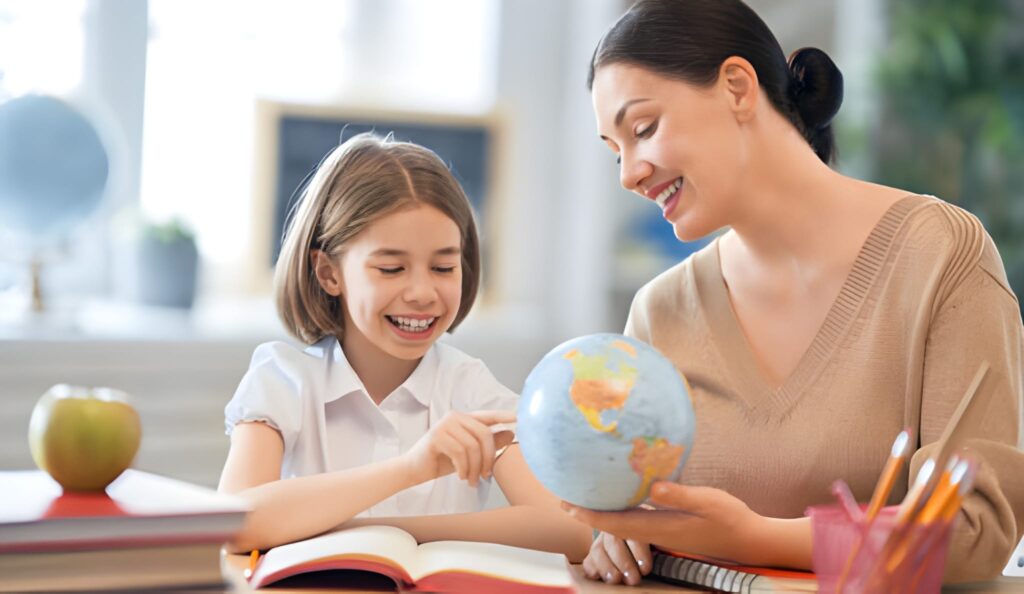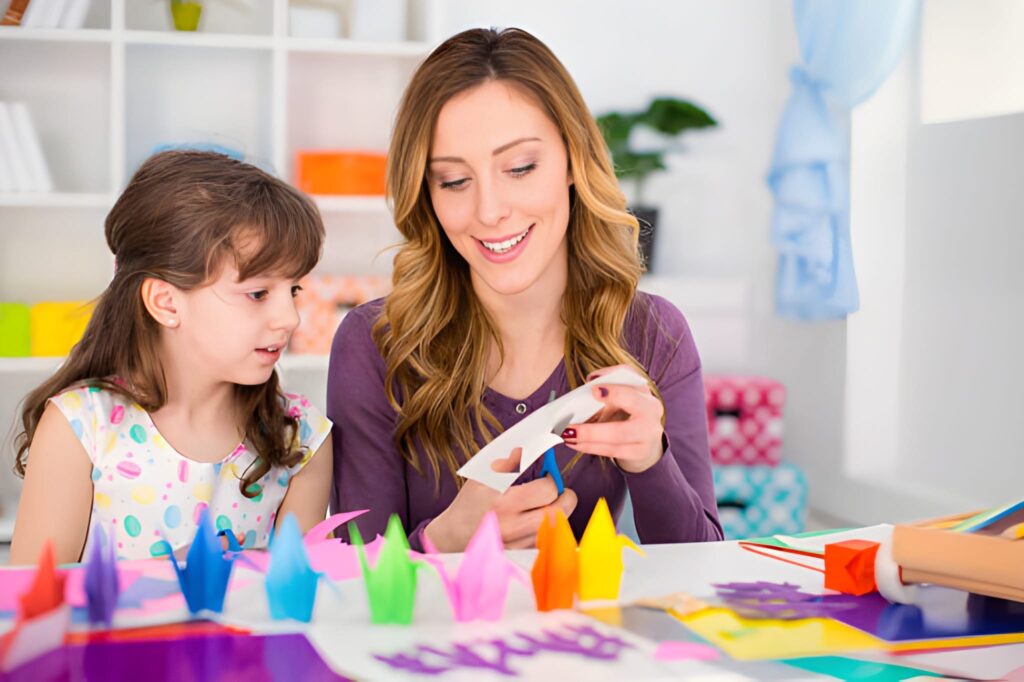
Primary education, also called elementary education in some regions, represents the foundation of formal academic learning. It typically spans the first years of schooling—usually from ages 5 or 6 to 11 or 12—depending on the country. Academic studies in primary education are designed not only to teach literacy and numeracy but also to foster curiosity, problem-solving, creativity, and social development. These early academic experiences are critical because they set the trajectory for lifelong learning and personal growth.
Purpose of Academic Studies in Primary Education
Academic studies at the primary level serve multiple functions:
- Foundational Knowledge – Introducing core subjects like reading, writing, mathematics, and science.
- Cognitive Development – Strengthening memory, reasoning, and problem-solving.
- Socialization – Helping children adapt to structured environments and work with peers.
- Values and Citizenship – Teaching respect, cooperation, and responsibility.
- Preparation for Higher Learning – Equipping students with skills necessary for secondary education.
Core Subjects in Primary Academic Studies
Most education systems include a broad set of subjects in the primary curriculum.
| Subject Area | Key Components | Purpose |
|---|---|---|
| Language and Literacy | Reading, writing, grammar, vocabulary, speaking, listening | Builds communication, comprehension, and critical thinking |
| Mathematics | Number systems, arithmetic, geometry, problem-solving | Develops logical reasoning and quantitative skills |
| Science | Life sciences, earth science, physical science, simple experiments | Encourages observation, inquiry, and understanding of natural phenomena |
| Social Studies | History, geography, civics, culture | Promotes awareness of society, diversity, and global citizenship |
| Arts and Music | Drawing, painting, drama, singing, instrument basics | Enhances creativity, expression, and emotional intelligence |
| Physical Education | Games, sports, health education | Supports motor skills, fitness, teamwork, and discipline |
| Moral/Value Education | Ethics, kindness, respect, environmental awareness | Shapes attitudes and responsibility |
Pedagogical Approaches in Academic Studies
Different methods are employed to deliver academic content effectively:
- Play-Based Learning – Common in lower primary grades, blending structured play with academic concepts.
- Activity-Oriented Learning – Using projects, experiments, and real-life activities to reinforce concepts.
- Inquiry-Based Learning – Encouraging questioning, exploration, and discovery.
- Collaborative Learning – Promoting teamwork and group problem-solving.
- Technology-Integrated Learning – Using ICT tools, educational apps, and digital storytelling.
Academic Outcomes Expected in Primary Education
By the end of primary schooling, students are expected to achieve:
- Basic Literacy – Ability to read fluently, write clearly, and comprehend texts.
- Numeracy – Confidence with calculations, measurement, and logical reasoning.
- Scientific Thinking – Ability to observe, classify, predict, and experiment.
- Civic Awareness – Understanding roles, responsibilities, and cultural diversity.
- Creative Expression – Demonstrated through art, music, or drama.
- Physical Development – Improved coordination, fitness, and healthy habits.
Example: Learning Milestones
| Grade Level | Literacy Milestones | Numeracy Milestones | Science/Social Studies Milestones |
|---|---|---|---|
| Grades 1–2 | Recognizes letters, reads simple sentences | Adds/subtracts numbers up to 100 | Identifies plants, animals, community helpers |
| Grades 3–4 | Reads fluently, writes short essays | Learns multiplication/division, fractions | Understands ecosystems, maps, early history |
| Grades 5–6 | Analyzes texts, writes reports | Applies geometry, decimals, problem-solving | Studies energy, earth science, civics |
Global Perspectives
Different countries structure primary education differently, yet share common academic goals.
| Country | Age Range | Primary Curriculum Features |
|---|---|---|
| USA | 5–11 years | Emphasis on English Language Arts, Math, Science, Social Studies, PE, Arts |
| UK | 5–11 years | Key Stages 1 & 2; core subjects include English, Math, Science, plus foundation subjects |
| Finland | 7–13 years | Less focus on testing, more on integrated thematic learning |
| India | 6–14 years | As per Right to Education Act, subjects include language, math, environmental studies |
| Japan | 6–12 years | Strong focus on moral education, collective responsibility, and physical activity |
| Australia | 5–12 years | National curriculum with literacy, numeracy, science, arts, health, technology |
Integration of Life Skills into Academic Studies
Academic studies in primary education also integrate life skills:
- Critical thinking and decision-making.
- Communication and collaboration.
- Adaptability and resilience.
- Digital literacy in modern classrooms.
Challenges in Academic Studies at the Primary Level
- Equity of Access – Socioeconomic disparities affect resources and outcomes.
- Teacher Training – Inadequate preparation limits effectiveness of instruction.
- Overemphasis on Testing – Can restrict creativity and holistic development.
- Curriculum Overload – Too many subjects without depth may overwhelm learners.
- Digital Divide – Unequal access to technology affects modern learning.
Future Directions
- Child-Centered Curricula – Designing academic studies around children’s interests and pace.
- STEAM Integration – Combining science, technology, engineering, arts, and math.
- Global Citizenship Education – Preparing children for interconnected societies.
- Inclusive Practices – Ensuring children with disabilities or special needs thrive in mainstream classrooms.
- Experiential Learning – Expanding outdoor education, project-based activities, and community connections.
Conclusion
Academic studies in primary education provide the essential building blocks of learning, ensuring that children not only acquire literacy and numeracy but also develop curiosity, social awareness, and creativity. A strong primary curriculum balances traditional subjects with life skills and holistic development. By focusing on integration, equity, and adaptability, primary education ensures that young learners are prepared not just for secondary school but also for meaningful participation in society.