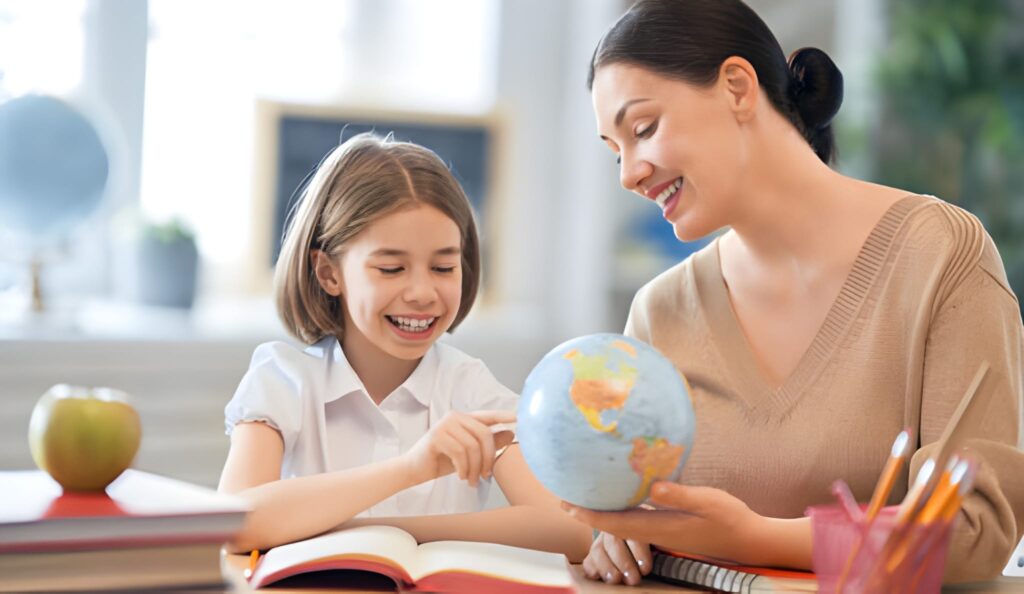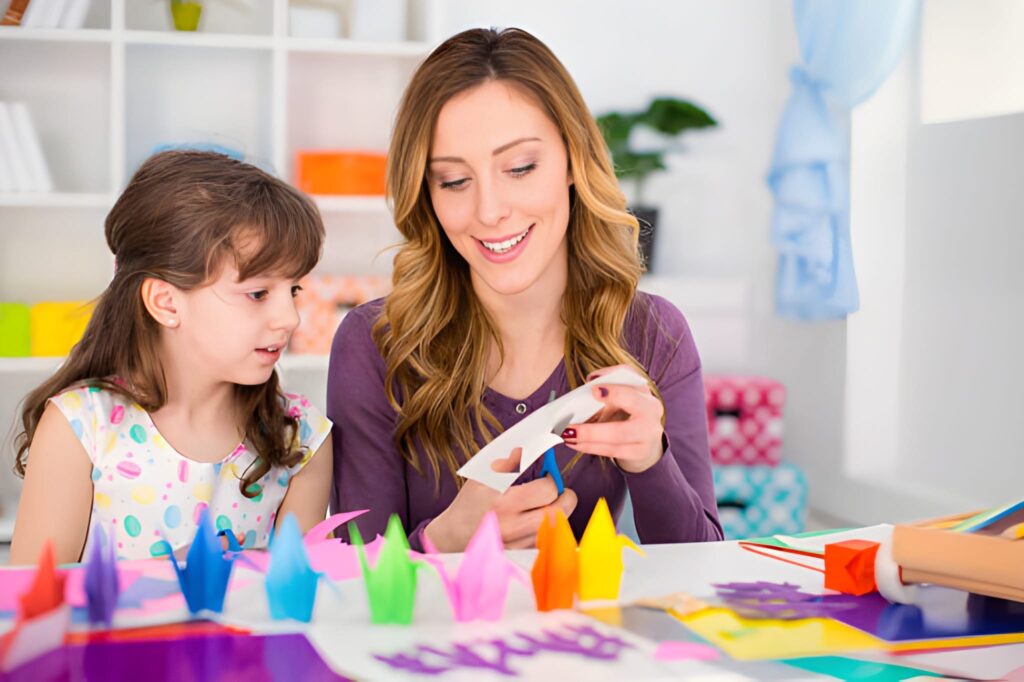
Pre-primary education, often referred to as early childhood education or preschool, forms the foundation for a child’s lifelong learning and development. Typically designed for children aged 3–6, pre-primary education introduces young learners to structured learning environments, social interactions, and foundational cognitive skills. The advantages of early education extend far beyond academic preparation, influencing emotional, social, and physical development while fostering curiosity and creativity. Understanding these benefits helps parents, educators, and policymakers make informed decisions about early childhood programs.
Understanding Pre-Primary Education
Pre-primary education focuses on holistic development, balancing play-based learning with foundational academic concepts such as language, numeracy, and basic problem-solving. Programs may include story-telling, group activities, arts and crafts, music, and simple scientific experiments. The objective is to prepare children emotionally, socially, and cognitively for formal schooling while cultivating curiosity and a love of learning.
Advantages of Pre-Primary Education
- Cognitive Development
Pre-primary education stimulates brain development through age-appropriate learning activities. Early exposure to numbers, letters, shapes, and problem-solving enhances memory, reasoning, and attention span, providing a strong academic foundation. - Language and Communication Skills
Interaction with peers and teachers helps children develop vocabulary, sentence structure, and conversational skills. Early language proficiency is linked to higher literacy rates and academic success in later grades. - Social and Emotional Development
Children learn to interact, cooperate, share, and resolve conflicts within a structured environment. These social skills help build empathy, self-regulation, confidence, and emotional resilience. - Preparation for Formal Schooling
Pre-primary education familiarizes children with routines, classroom etiquette, and learning structures, easing the transition to primary school and reducing anxiety or behavioral challenges. - Encourages Creativity and Critical Thinking
Activities such as art, music, and problem-solving exercises stimulate imagination and innovation. Children learn to explore, ask questions, and think critically from an early age. - Physical Development
Play-based learning, outdoor activities, and motor skill exercises enhance coordination, balance, strength, and overall physical health, laying the groundwork for active lifestyles. - Parental Support and Awareness
Pre-primary programs often provide guidance to parents on child development, health, nutrition, and educational strategies, fostering supportive home environments for learning. - Long-Term Academic and Social Benefits
Research shows that children attending quality pre-primary education are more likely to perform better academically, have higher graduation rates, and develop stronger social skills throughout their lives.
Table 1: Key Advantages of Pre-Primary Education
| Advantage | Description | Impact |
|---|---|---|
| Cognitive Development | Stimulates brain development through structured activities | Strong academic foundation, improved reasoning skills |
| Language Skills | Vocabulary and communication enhancement | Higher literacy rates, better verbal expression |
| Social and Emotional Growth | Interaction, empathy, conflict resolution | Emotional resilience, confidence, social skills |
| School Readiness | Familiarity with routines and classroom norms | Smoother transition to primary education |
| Creativity and Critical Thinking | Art, music, problem-solving activities | Encourages innovation, curiosity, and analytical thinking |
| Physical Development | Motor skills and coordination exercises | Improved health, balance, and fitness |
| Parental Awareness | Guidance on child development and learning | Supportive home environment for growth |
| Long-Term Academic Benefits | Early engagement with learning | Higher academic performance and lifelong learning habits |
Comparative Analysis: Children With and Without Pre-Primary Education
| Aspect | Children With Pre-Primary Education | Children Without Pre-Primary Education |
|---|---|---|
| Academic Readiness | High, familiar with numbers, letters, routines | Lower readiness, may struggle with adjustment |
| Language Development | Strong vocabulary and communication skills | Limited vocabulary, slower language acquisition |
| Social Skills | Cooperative, empathetic, confident | May experience difficulty sharing or interacting with peers |
| Emotional Resilience | Better self-regulation, confidence | Higher anxiety, lower adaptability |
| Creativity and Critical Thinking | Encouraged through play and activities | Less exposure to structured creative exercises |
| Physical Development | Motor skills and coordination improved | May have slower physical skill development |
| Long-Term Academic Outcomes | Higher achievement in primary school | May require additional support or catch-up programs |
Socioeconomic Considerations
Pre-primary education is particularly beneficial in low-income communities, where access to early learning may be limited. Quality early education can help bridge developmental gaps caused by resource constraints at home. Governments and NGOs often implement subsidized or free preschool programs to ensure equitable access, helping reduce long-term educational inequalities.
Global Examples
- Finland: Pre-primary education emphasizes play-based learning and social-emotional skills, contributing to exceptional primary school performance.
- United States: Head Start programs provide early education for low-income families, showing improved cognitive, social, and health outcomes.
- India: Early childhood education initiatives like ICDS (Integrated Child Development Services) target rural and underprivileged children, promoting school readiness and basic skills development.
Table 2: Outcomes of Pre-Primary Education Across Countries
| Country | Program Focus | Key Outcomes |
|---|---|---|
| Finland | Play-based learning, social skills | High literacy, numeracy, and emotional development |
| United States | Early education for low-income children | Improved school readiness, health, and social skills |
| India | Rural and underprivileged access | Enhanced cognitive development, higher primary enrollment |
Conclusion
Pre-primary education offers comprehensive benefits that shape a child’s cognitive, social, emotional, and physical development. It lays the groundwork for academic success, emotional resilience, creativity, and lifelong learning. By providing a structured and stimulating environment, pre-primary programs equip children with the tools to thrive in primary school and beyond. Ensuring access to quality early education, particularly for disadvantaged communities, is critical for fostering equitable development and building a foundation for lifelong achievement.