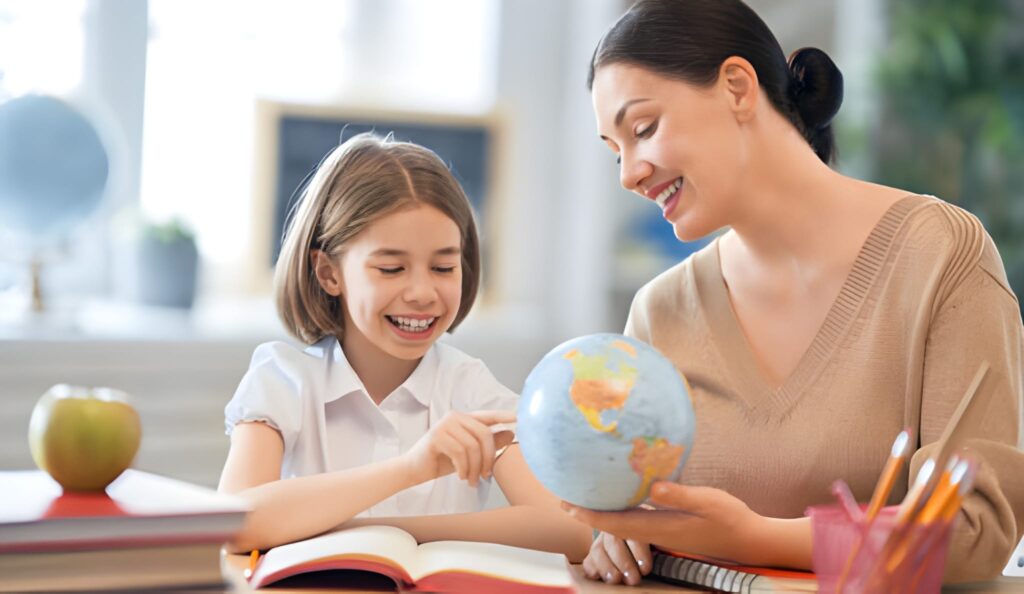
Religious and moral education in primary schools plays a crucial role in shaping the character, values, and ethical understanding of young children. These programs introduce students to concepts such as honesty, respect, empathy, responsibility, and spiritual awareness. While academic subjects develop cognitive skills, religious and moral education nurtures social, emotional, and ethical development, helping children grow into responsible, compassionate, and morally grounded individuals. Understanding the advantages of teaching religious and moral education in primary schools provides insights into holistic child development and societal well-being.
Understanding Religious and Moral Education
Religious education (RE) explores various religious beliefs, practices, and traditions, fostering respect for diversity. Moral education focuses on ethical principles, right and wrong, and social responsibility. In primary schools, these subjects are typically age-appropriate, emphasizing stories, discussions, role-playing, and activities that help children understand values, empathy, and responsible behavior.
Advantages of Teaching Religious and Moral Education
- Development of Ethical and Moral Values
Children learn foundational principles such as honesty, kindness, fairness, respect, and responsibility. Early exposure to moral concepts helps form a strong ethical framework, guiding decision-making throughout life. - Promotion of Social Cohesion and Respect for Diversity
Religious education exposes students to various faiths and cultural practices, promoting tolerance, inclusivity, and understanding. Children learn to appreciate differences and avoid prejudice, fostering harmonious relationships. - Enhanced Emotional and Social Development
Moral and religious teachings encourage empathy, compassion, self-reflection, and self-control. Children develop the ability to manage emotions, resolve conflicts peacefully, and build positive relationships with peers and adults. - Character Building and Personal Integrity
Through stories, role models, and practical examples, students learn about courage, honesty, responsibility, and perseverance. These lessons contribute to strong personal character and integrity. - Support for Academic and Behavioral Outcomes
Research indicates that moral and religious education can positively influence student behavior, attention, and cooperation in the classroom, creating a conducive learning environment. - Preparation for Civic and Social Responsibility
Children learn about civic duties, ethical participation in communities, and the importance of contributing positively to society. This early education lays the foundation for responsible citizenship. - Strengthened Family and Community Connections
Religious and moral education often involves discussions about home and community practices, fostering communication between children, parents, and educators. This strengthens family values and community cohesion.
Table 1: Key Advantages of Religious and Moral Education in Primary Schools
| Advantage | Description | Impact |
|---|---|---|
| Ethical and Moral Values | Teaching honesty, respect, and responsibility | Guides lifelong ethical decision-making |
| Social Cohesion and Diversity | Exposure to different religions and cultures | Promotes tolerance, inclusivity, and harmony |
| Emotional and Social Development | Encourages empathy, self-reflection, and self-control | Better peer relationships and conflict resolution |
| Character Building | Stories and role models teach perseverance and courage | Develops integrity and resilience |
| Academic and Behavioral Support | Positive influence on behavior and cooperation | Improved classroom environment and focus |
| Civic and Social Responsibility | Understanding duties and societal roles | Fosters responsible citizenship |
| Family and Community Connections | Integration of home and school values | Strengthens family and community bonds |
Comparative Analysis: Students With and Without Religious and Moral Education
| Aspect | Students With Religious & Moral Education | Students Without Religious & Moral Education |
|---|---|---|
| Ethical Decision-Making | Strong foundation in honesty and responsibility | May struggle with ethical dilemmas |
| Social Cohesion | Respectful and inclusive | Greater risk of prejudice or misunderstanding |
| Emotional Intelligence | Higher empathy and self-regulation | Limited understanding of emotions |
| Character Development | Resilient, responsible, and principled | Less structured character formation |
| Classroom Behavior | Cooperative, attentive, and respectful | More frequent conflicts and disruptions |
| Civic Awareness | Awareness of community and responsibilities | Limited exposure to civic duties |
| Family and Community Engagement | Stronger connections with home values | Potential gaps in value reinforcement |
Socioeconomic and Cultural Considerations
In multicultural and multi-religious societies, teaching religious and moral education can strengthen inclusivity and respect for diversity. Programs must be designed to be neutral, non-proselytizing, and sensitive to different cultural backgrounds. In low-income communities, these programs can reinforce ethical behavior, social skills, and community values that support positive development.
Global Examples
- Finland: Moral and ethical education integrated with national curricula emphasizes empathy, responsibility, and civic values, contributing to social cohesion.
- United Kingdom: Religious education in primary schools exposes students to multiple faiths and ethical principles, promoting tolerance and understanding.
- United States: Character education programs in primary schools focus on respect, honesty, and social responsibility alongside secular academic content.
Table 2: Outcomes of Religious and Moral Education in Primary Schools
| Country | Program Focus | Key Outcomes |
|---|---|---|
| Finland | Ethics, empathy, civic responsibility | High social cohesion, emotional intelligence |
| United Kingdom | Multi-faith religious education | Respect for diversity, reduced prejudice |
| United States | Character education | Improved behavior, classroom cooperation |
Conclusion
Teaching religious and moral education in primary schools offers a wide range of advantages, including ethical development, social cohesion, emotional intelligence, character building, and preparation for responsible citizenship. By fostering respect, empathy, and integrity, these programs help children develop a strong moral foundation that supports personal growth, academic success, and positive societal contributions. Implementing inclusive, age-appropriate, and culturally sensitive religious and moral education is essential for nurturing well-rounded, ethical, and socially responsible young individuals.