Sex education in schools has become a topic of significant debate worldwide. While proponents emphasize early awareness and safety, opponents argue that introducing sex education in primary schools may have unintended social, psychological, and ethical consequences. Primary education, typically for children aged 5 to 12, is a critical stage for cognitive, emotional, and social development. Critics of sex education at this stage suggest that children are not developmentally ready to process information about sexuality, and premature exposure can conflict with family, cultural, and moral values. This article examines the arguments against sex education in primary schools, exploring concerns from developmental, cultural, psychological, and societal perspectives.
Understanding the Scope of Sex Education in Primary Schools
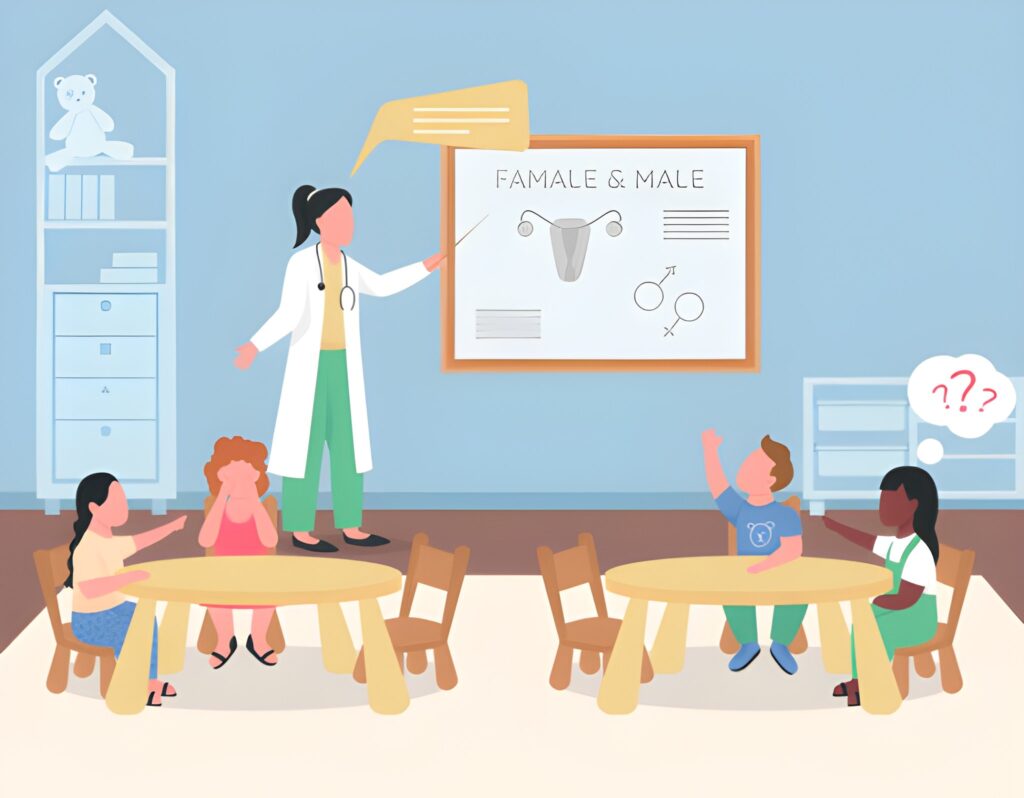
Sex education in primary schools generally includes topics such as:
- Human anatomy and reproduction
- Puberty and bodily changes
- Gender differences
- Relationships and consent
- Safe and unsafe touch
While the intent is often to promote health awareness and prevent abuse, critics argue that the content may not align with the developmental stage of younger children.
Developmental Concerns
- Cognitive Readiness: Children in primary school are in Piaget’s concrete operational stage (approximately ages 7-11). They are beginning to think logically about concrete events but may struggle with abstract concepts such as sexual relationships, consent, and long-term consequences of sexual behavior. Premature exposure can lead to confusion or misinterpretation.
- Emotional Readiness: Young children may not have the emotional maturity to process discussions about sexual activity, relationships, or reproductive health. Early exposure can create anxiety, curiosity that is difficult to manage, or feelings of shame.
- Identity Formation: Primary-age children are forming self-identity and social understanding. Introducing sexual topics too early can interfere with natural development and create misconceptions about relationships and self-worth.
Cultural and Ethical Concerns
| Concern | Description | Potential Impact |
|---|---|---|
| Conflicting Values | Many families hold religious or cultural beliefs opposing early sexual education | Children may receive messages that contradict family teachings, causing confusion or distress |
| Moral Development | Premature exposure to sexual content may influence moral judgment | Children may normalize behaviors they are not developmentally ready to understand |
| Parental Authority | Sex education may reduce parental control over sensitive discussions | Families may feel marginalized or bypassed in guiding their child’s moral and sexual understanding |
Psychological and Social Concerns
- Curiosity vs. Experimentation: Introducing sexual concepts too early may trigger inappropriate curiosity or experimentation among children who are unable to contextualize the information safely.
- Peer Pressure and Bullying: Children may misuse information in social settings, leading to teasing, bullying, or social anxiety.
- Fear and Anxiety: Detailed discussions about sexual activity or abuse may provoke fear rather than empowerment if not carefully age-appropriate.
Legal and Policy Considerations
Some countries and states allow parents to opt their children out of sex education, reflecting societal concerns about age-appropriate content. Opponents highlight that mandatory sex education in primary schools can infringe on parental rights and cultural freedoms. Legal challenges have arisen where curriculum content conflicts with family values or religious beliefs.
Alternative Approaches to Early Childhood Education
Critics suggest that instead of formal sex education in primary schools, the focus should be on:
- Age-Appropriate Personal Safety Education: Teaching children about boundaries, safe touch, and consent without delving into sexual activity.
- Family-Led Discussions: Encouraging parents to guide conversations according to family values and developmental readiness.
- Incremental Learning: Delaying formal sex education until upper primary or early secondary school, when children have greater cognitive and emotional maturity.
- Emotional Intelligence and Relationship Skills: Teaching empathy, respect, communication, and problem-solving, which lay the foundation for healthy relationships later.
Comparison of Early vs. Delayed Sex Education
| Aspect | Early (Primary) Sex Education | Delayed (Upper Primary / Secondary) |
|---|---|---|
| Cognitive Readiness | Limited understanding of abstract sexual concepts | Greater capacity to process abstract ideas and consequences |
| Emotional Readiness | High risk of confusion or anxiety | Better emotional regulation and comprehension |
| Parental Involvement | Often limited, leading to conflict with family values | Easier to integrate family guidance and discussion |
| Risk Awareness | Focused on prevention, may be misunderstood | Children can contextualize and apply knowledge safely |
| Cultural Sensitivity | May conflict with community beliefs | More flexibility to align with societal and family values |
Societal Implications
Introducing sex education in primary schools can generate tension between educational authorities, parents, and communities. Critics argue that premature exposure may erode trust in the educational system, create social backlash, and compromise community cohesion. Additionally, early sexualization in curricula has been linked in some studies to confusion about gender roles and premature experimentation, which can affect long-term mental health outcomes.
Case Studies and Regional Examples
- United States: Some states, such as Texas and Alabama, limit formal sex education in primary schools, emphasizing abstinence and parental guidance. Studies show these regions maintain lower rates of early sexual activity but face debates over reproductive health awareness.
- Europe: Countries like Sweden introduce sex education in late primary or early secondary school, focusing initially on personal safety and emotional understanding, aligning content with developmental stages.
- Africa: Many African nations with strong cultural and religious norms delay sex education until secondary school, balancing public health objectives with community values.
Expert Opinions
- Child psychologists caution that children aged 5–12 lack the cognitive and emotional skills to fully understand sexual content and relationships.
- Educators emphasize that teaching boundaries, respect, and personal safety can achieve protective outcomes without introducing sexual activity prematurely.
- Sociologists highlight the importance of aligning education with cultural, religious, and familial norms to ensure community acceptance and psychological well-being.
Conclusion
Opposition to sex education in primary schools rests on developmental, cultural, psychological, and societal concerns. Children at this age are not yet equipped to fully comprehend sexual concepts, and premature exposure can create confusion, anxiety, and conflict with family or community values. Alternatives focusing on personal safety, emotional intelligence, and incremental learning provide effective strategies for preparing children for later, age-appropriate sexual education. Parents, educators, and policymakers must weigh the potential risks against benefits, ensuring that the developmental readiness, cultural context, and moral guidance of children remain central in educational decisions.