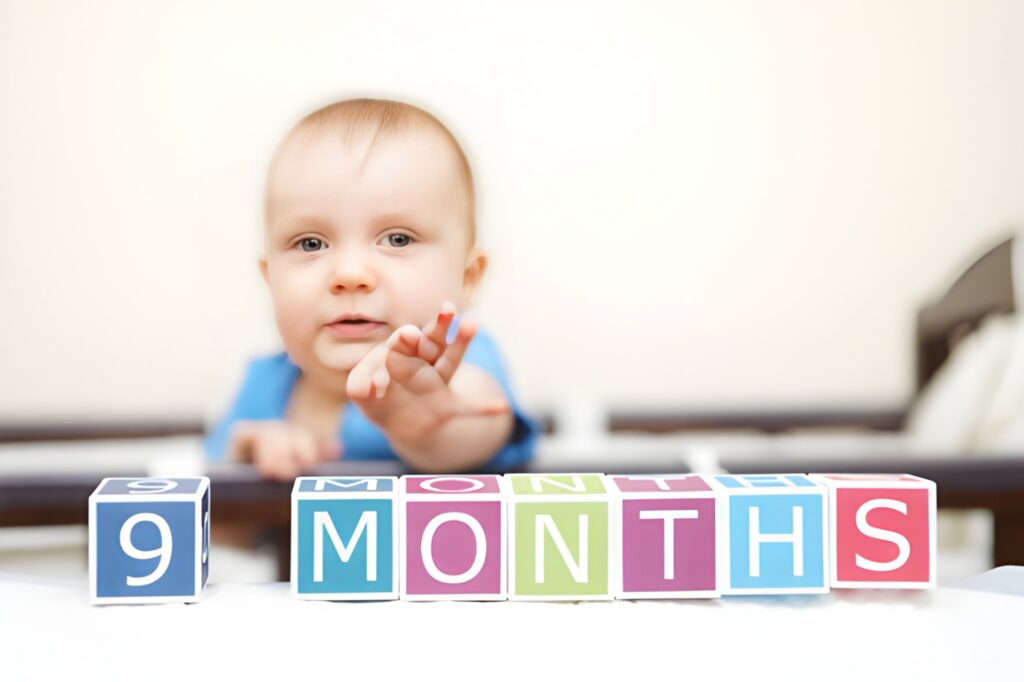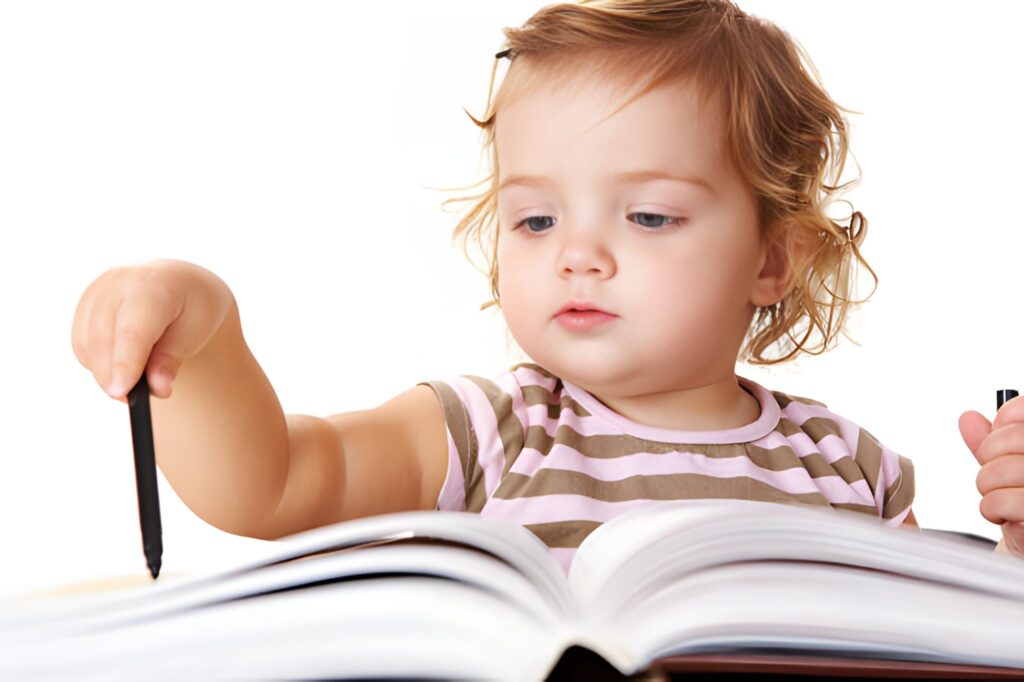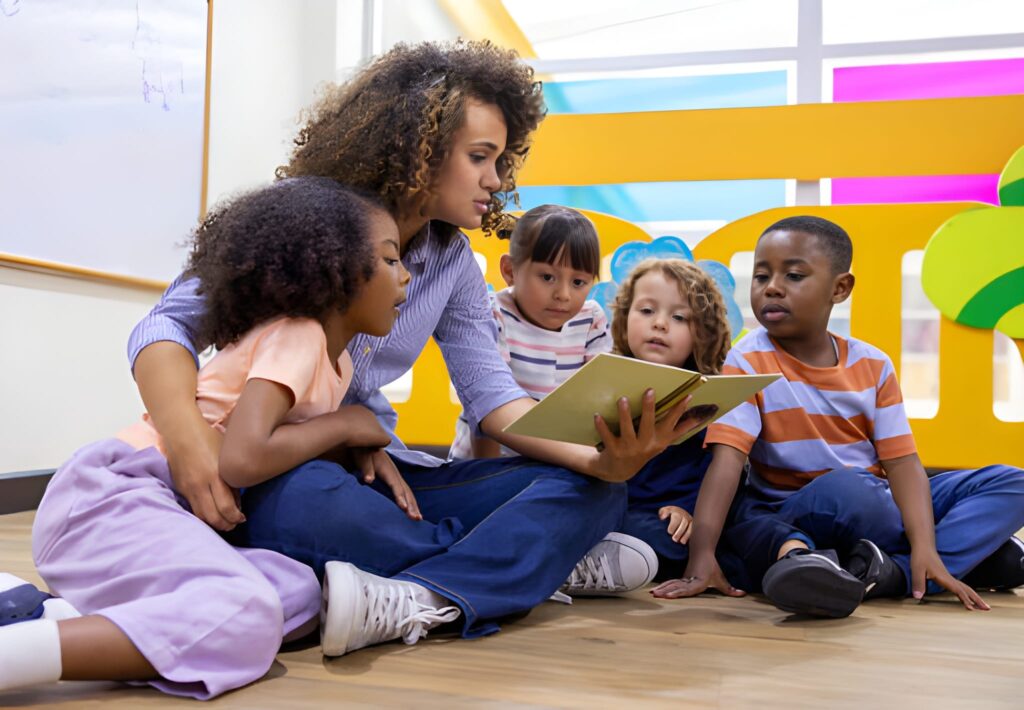
Child development refers to the biological, psychological, and emotional changes that occur from birth through adolescence. It encompasses the growth and maturation of a child in multiple domains, including physical, cognitive, language, social, and emotional development. Understanding child development helps parents, caregivers, educators, and healthcare professionals provide the right guidance, support, and environment for a child’s overall well-being.
Definition of Child Development
Child development is the process by which children acquire and refine skills, abilities, and behaviors in a predictable yet unique sequence. It is influenced by a combination of genetic, environmental, cultural, and social factors. This process is continuous and interconnected, meaning growth in one domain often affects growth in another.
Domains of Child Development
- Physical Development
Physical development involves changes in a child’s body size, strength, coordination, and motor skills. It includes both gross motor skills (walking, running, climbing) and fine motor skills (grasping, writing, manipulating objects). Adequate nutrition, physical activity, and a safe environment are essential for healthy physical development. - Cognitive Development
Cognitive development refers to a child’s ability to think, learn, reason, problem-solve, and understand the world. It includes memory, attention, perception, and decision-making. Cognitive growth enables children to process information, make connections, and acquire knowledge. - Language Development
Language development involves acquiring the ability to communicate effectively through words, gestures, and expressions. It includes both receptive language (understanding what is said) and expressive language (speaking or expressing ideas). Exposure to rich language environments, reading, and conversation are crucial for language growth. - Social Development
Social development is the process through which children learn to interact with others, form relationships, and understand social norms. Skills such as sharing, cooperation, empathy, and conflict resolution emerge as children engage with family members, peers, and the community. - Emotional Development
Emotional development refers to understanding, expressing, and regulating emotions. It includes developing self-awareness, empathy, self-confidence, and resilience. Supportive caregiving, consistent routines, and positive reinforcement help children manage their emotions effectively.
Factors Influencing Child Development
- Genetics: Inherited traits affect physical growth, temperament, and cognitive potential.
- Environment: Safe, stimulating, and nurturing environments enhance development.
- Nutrition: Proper nutrition supports physical and cognitive growth.
- Family and Caregivers: Responsive, consistent care fosters emotional security and social skills.
- Socioeconomic Factors: Access to healthcare, education, and enrichment opportunities impacts developmental outcomes.
Importance of Understanding Child Development
Understanding child development allows caregivers and professionals to:
- Identify typical growth patterns and milestones.
- Recognize early signs of developmental delays.
- Provide age-appropriate learning experiences.
- Support emotional and social well-being.
- Foster a safe and nurturing environment for optimal growth.
Conclusion
Child development is a multidimensional process that shapes who a child becomes physically, cognitively, emotionally, and socially. By observing milestones, providing guidance, and creating supportive environments, caregivers and educators can help children reach their full potential. Recognizing the interconnectedness of various developmental domains ensures that children grow into well-rounded, capable, and resilient individuals.