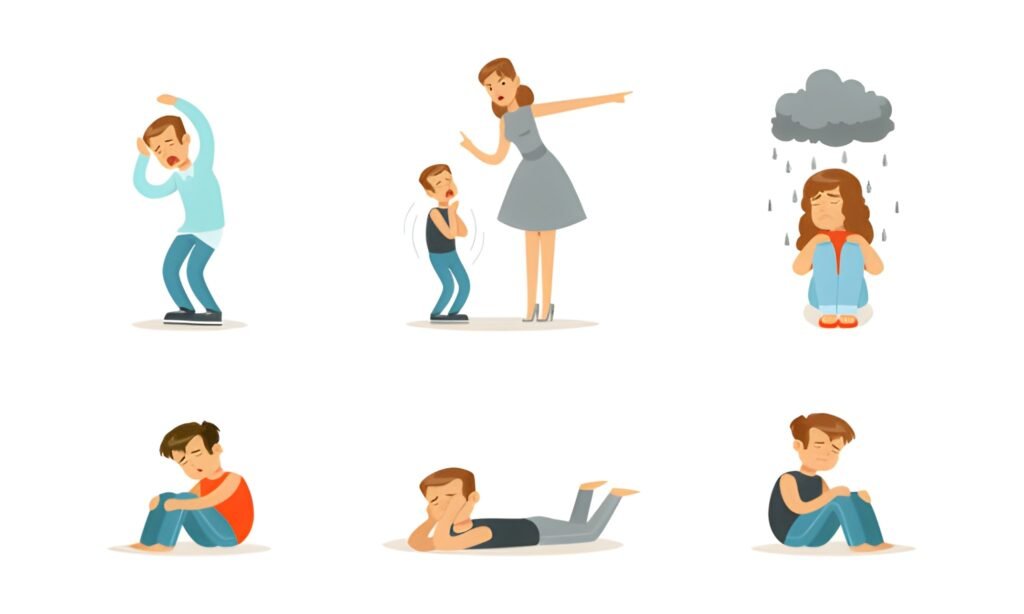
A child’s psychological health is foundational to their overall well-being, learning, and ability to form healthy relationships. It is influenced by multiple factors including emotional support, social interactions, cognitive stimulation, and physical environment. Ensuring these needs are met helps children develop resilience, confidence, and adaptive coping skills. Below are ten essential elements that contribute to a child’s psychological health, explained with practical examples, comparisons, and developmental insights.
1. Secure Attachment and Nurturing Relationships
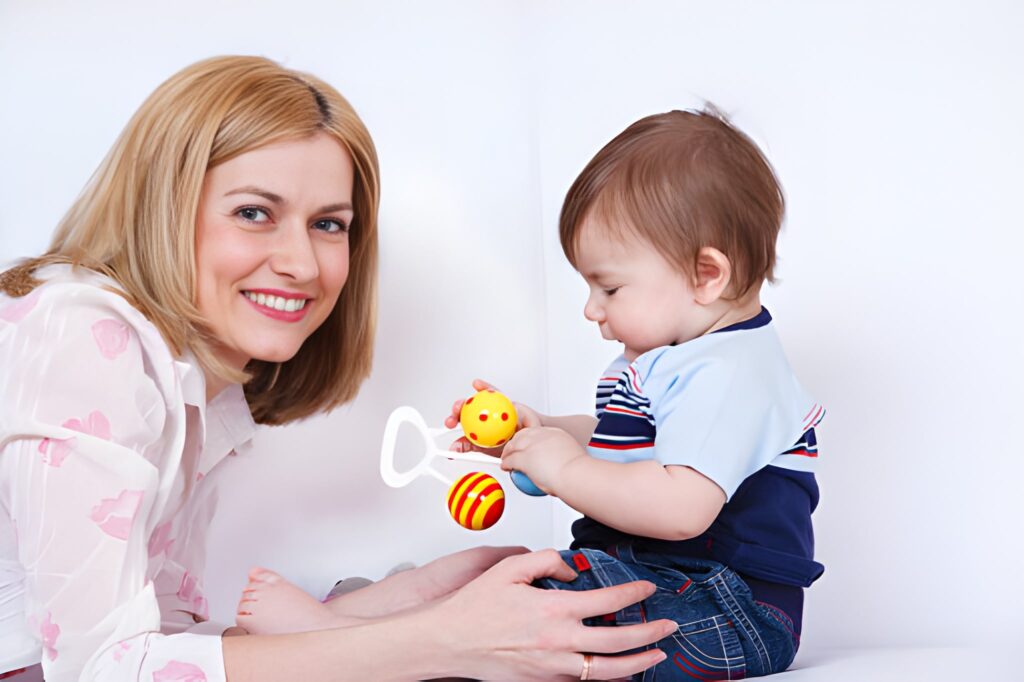
Strong emotional bonds with caregivers provide children with a sense of safety and trust. Secure attachment fosters self-esteem, emotional regulation, and social competence. Infants and toddlers benefit from consistent attention, physical affection, and responsive caregiving. Older children thrive when parents or caregivers remain emotionally available, listen actively, and support problem-solving efforts.
2. Emotional Support and Validation
Children need to feel that their emotions are recognized and accepted. Validating feelings—whether joy, frustration, or sadness—teaches children that emotions are normal and manageable. Encouraging children to express feelings through words, art, or play strengthens emotional intelligence and coping mechanisms.
3. Consistent Routines and Predictability
A structured environment reduces stress and enhances a sense of security. Regular meal times, bedtime schedules, and predictable school or play routines help children understand expectations, manage anxiety, and develop self-discipline. Inconsistent routines may contribute to emotional instability or behavioral challenges.
4. Cognitive Stimulation and Learning Opportunities
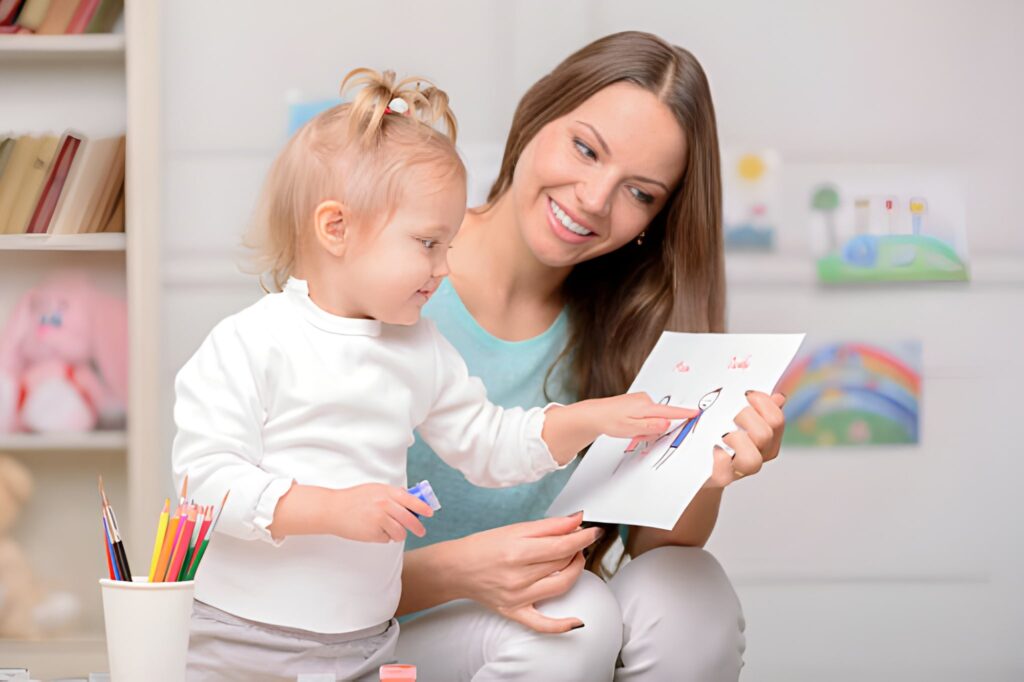
Psychologically healthy children benefit from environments that encourage curiosity, exploration, and problem-solving. Reading together, puzzles, educational games, and creative activities promote critical thinking, attention span, and academic readiness. Providing age-appropriate challenges supports confidence and motivation.
5. Social Interaction and Peer Relationships
Children develop social skills, empathy, and cooperation through interaction with peers. Opportunities for playdates, team activities, and collaborative projects allow children to practice communication, negotiation, and conflict resolution. Healthy social experiences reduce feelings of isolation and improve emotional regulation.
6. Positive Discipline and Clear Boundaries
Establishing limits with fairness and consistency helps children understand expectations and learn self-control. Positive discipline emphasizes guidance, natural consequences, and problem-solving rather than punishment. This approach supports internalized moral reasoning and reduces anxiety or fear-based behaviors.
7. Physical Health and Well-Being
Physical and psychological health are deeply intertwined. Adequate sleep, balanced nutrition, regular exercise, and outdoor activities contribute to mood regulation, energy levels, and cognitive functioning. Physical activity also promotes resilience and reduces symptoms of stress or anxiety.
8. Exposure to a Safe and Stimulating Environment
Children require environments that are safe, nurturing, and enriched with sensory and educational experiences. A balance between protection and freedom to explore encourages independence, curiosity, and confidence. Reducing exposure to chronic stressors, violence, or neglect is crucial for healthy development.
9. Role Modeling and Observational Learning
Children learn by observing adults. Modeling empathy, problem-solving, conflict resolution, and stress management equips children with practical strategies for handling challenges. Caregivers who demonstrate emotional regulation and constructive coping provide a blueprint for children’s behavior.
10. Opportunities for Autonomy and Decision-Making
Allowing children to make age-appropriate choices fosters independence, responsibility, and self-efficacy. From selecting clothing or meals to participating in family decisions, opportunities for autonomy promote confidence, motivation, and psychological resilience.
Comparison Table: Elements vs. Key Benefits
| Element | Key Benefits |
|---|---|
| Secure Attachment | Trust, self-esteem, emotional stability |
| Emotional Support | Emotional intelligence, coping skills |
| Consistent Routines | Security, self-discipline, reduced anxiety |
| Cognitive Stimulation | Critical thinking, curiosity, academic readiness |
| Social Interaction | Empathy, cooperation, communication skills |
| Positive Discipline | Self-control, moral development, reduced fear |
| Physical Health | Mood regulation, resilience, energy |
| Safe Environment | Confidence, exploration, reduced stress |
| Role Modeling | Adaptive behaviors, problem-solving, empathy |
| Autonomy | Responsibility, self-efficacy, independence |
Illustrative Example: Applying All 10 Elements
Consider a 4-year-old in a preschool setting:
- Secure Attachment: Caregivers provide responsive attention during drop-off and pick-up.
- Emotional Support: Teachers acknowledge feelings during conflicts or frustration.
- Consistent Routines: Structured daily schedule with designated play, snack, and learning times.
- Cognitive Stimulation: Engaging activities such as puzzles, storytelling, and building blocks.
- Social Interaction: Group play and collaborative projects encourage sharing and teamwork.
- Positive Discipline: Gentle guidance for behavior, explaining consequences rather than punishment.
- Physical Health: Outdoor play, nutritious meals, and regular rest periods.
- Safe Environment: Child-proofed classrooms and emotionally supportive surroundings.
- Role Modeling: Teachers demonstrate patience, empathy, and cooperative problem-solving.
- Autonomy: Opportunities for children to choose activities or participate in classroom decisions.
Conclusion
A child’s psychological health is shaped by a combination of emotional, social, cognitive, and physical factors. Ensuring that these ten elements—secure attachment, emotional support, consistent routines, cognitive stimulation, social interaction, positive discipline, physical health, safe environment, role modeling, and autonomy—are present creates a holistic foundation for resilience, emotional balance, and long-term well-being. Caregivers who intentionally incorporate these elements foster children who are confident, empathetic, adaptable, and capable of navigating life’s challenges successfully.