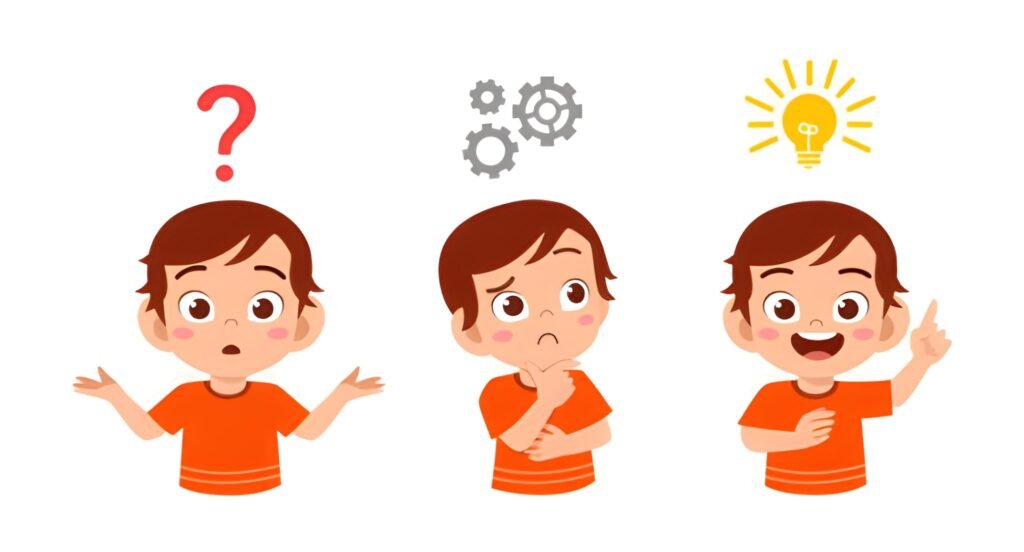
The negative cognitive triad is a concept introduced by Aaron T. Beck in cognitive theory, primarily in the context of depression. While originally studied in adults, research has shown that this triad can manifest in children and adolescents, influencing their emotional, social, and academic development. In abnormal child psychology, the negative cognitive triad describes a pattern of negative thinking that affects three critical areas: the self, the world, and the future. These distorted cognitions contribute to the onset and maintenance of depressive and anxiety disorders in children.
1. Negative View of the Self
The first component of the negative cognitive triad is the child’s negative perception of themselves. Children develop self-schemas—mental frameworks about who they are—based on their experiences with caregivers, peers, and teachers. When these self-schemas are negative, children often believe they are incompetent, unworthy, or unloved.
Illustration: A 10-year-old child who struggles academically might think, “I am stupid, and I will never succeed.” This thought pattern can become automatic, coloring every academic and social interaction.
Impacts:
- Reduced confidence in academic performance and social situations
- Withdrawal from activities or peer interactions
- Heightened vulnerability to depressive symptoms and low motivation
Mechanism: Negative self-beliefs often arise from repeated criticism, bullying, or perceived failure. Children internalize these experiences, forming enduring patterns of self-criticism and low self-esteem.
2. Negative View of the World
The second component involves a child’s perception of their environment as hostile, unfair, or unsupportive. Children with a negative worldview interpret neutral or ambiguous events negatively, believing that challenges are insurmountable or that people around them are threatening or rejecting.
Illustration: A child who is left out of a group activity may generalize the experience to think, “Nobody likes me, and everyone will always exclude me.”
Impacts:
- Difficulty forming or maintaining friendships
- Heightened anxiety and vigilance in social situations
- Avoidance behaviors that limit opportunities for learning and growth
Mechanism: Cognitive distortions such as overgeneralization, personalization, and catastrophizing exacerbate negative interpretations of everyday events. Repeated exposure to adverse social or familial experiences reinforces these patterns, maintaining a cycle of negative thinking.
3. Negative View of the Future
The third component focuses on pessimistic expectations about what lies ahead. Children may develop a sense of hopelessness, believing that problems will persist indefinitely and that positive change is unlikely.
Illustration: A child experiencing repeated academic challenges might think, “I will never do well in school, and I will always fail at everything I try.”
Impacts:
- Reduced goal-directed behavior and motivation
- Increased risk of depressive episodes
- Heightened vulnerability to learned helplessness, where children believe they have no control over outcomes
Mechanism: Negative expectations often emerge from repeated failure, lack of support, or chronic stress. Cognitive-behavioral theory suggests that these future-oriented beliefs are a core factor in the development and persistence of childhood depression.
Summary Table: Components of the Negative Cognitive Triad
| Component | Description | Example Thought | Psychological Impact |
|---|---|---|---|
| Negative Self | Negative self-perception; low self-esteem | “I am worthless” | Withdrawal, low motivation, depressive symptoms |
| Negative World | Perception of environment as hostile or unsupportive | “Nobody likes me” | Social anxiety, avoidance, peer difficulties |
| Negative Future | Pessimistic expectations about outcomes | “Things will never get better” | Learned helplessness, hopelessness, increased depression risk |
Developmental Considerations in Children
Children’s cognitive patterns differ from adults due to ongoing brain development, limited experience, and dependency on caregivers. The negative cognitive triad in children often interacts with:
- Attachment style: Insecure or avoidant attachment can predispose children to negative self-perceptions.
- Temperament: Children with high sensitivity or difficult temperament may be more prone to negative thinking.
- Parenting style: Harsh or critical parenting can reinforce negative self-beliefs and worldview.
Intervention and Therapeutic Approaches
Cognitive-Behavioral Therapy (CBT): CBT is the most evidence-based intervention for addressing the negative cognitive triad in children. It involves:
- Identifying negative automatic thoughts
- Challenging cognitive distortions
- Replacing maladaptive beliefs with realistic, adaptive thinking
- Practicing coping skills in real-life scenarios
Parental Involvement: Supportive parenting, positive reinforcement, and modeling adaptive thinking patterns help reduce negative cognition and promote resilience.
School-Based Interventions: Programs that teach emotional regulation, problem-solving, and social skills can counteract the effects of the negative cognitive triad.
Conclusion
The negative cognitive triad in abnormal child psychology highlights the interplay between thought patterns and emotional well-being. By recognizing and addressing negative beliefs about the self, the world, and the future, parents, teachers, and mental health professionals can help children develop healthier cognitive frameworks. Early intervention not only reduces the risk of depression and anxiety but also promotes resilience, self-confidence, and adaptive coping strategies that persist into adolescence and adulthood.