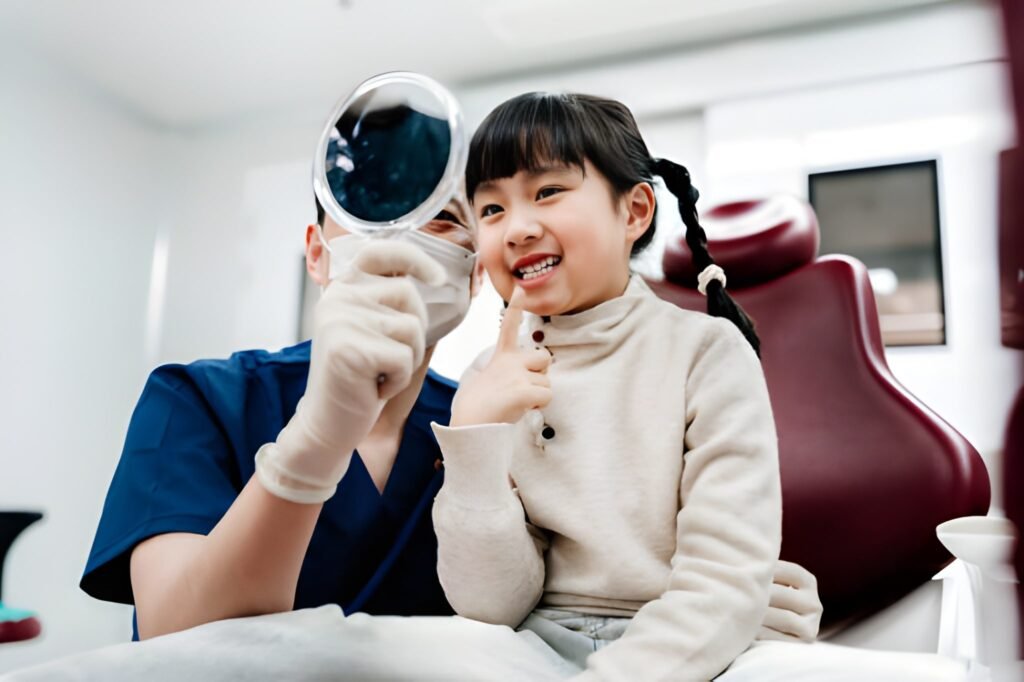
Observing a child with a mirror provides a fascinating window into their cognitive, emotional, and social development. Mirror interactions are often used in developmental psychology to assess self-awareness, identity formation, and social cognition. How a child responds to their reflection can reveal important aspects of psychological growth, particularly during infancy and early childhood.
Self-Awareness and the Mirror Test:
One of the most well-known assessments of self-recognition in children is the mirror test, developed by psychologist Gordon Gallup. This test evaluates whether a child can recognize themselves in a mirror, indicating the emergence of self-awareness. Typically, children begin to show self-recognition between 18 to 24 months. A common experiment involves placing a mark on the child’s face and observing whether they touch the mark when looking in a mirror. Touching the mark suggests the child recognizes the reflection as themselves, rather than another child.
Cognitive Development:
Interacting with a mirror reflects important cognitive milestones:
- Object permanence and spatial awareness: Children begin to understand that the reflection corresponds to their own body and movements.
- Symbolic thinking: Seeing oneself in a mirror supports pretend play, imagination, and role-taking.
- Self-concept formation: Mirror interactions help children explore their features, expressions, and identity.
Emotional Development:
Mirrors also provide opportunities for emotional exploration. Children may express joy, surprise, or curiosity when seeing their reflection. They may experiment with facial expressions, gestures, or speech, which helps them understand emotional cues and regulate their own feelings. Repeated positive mirror experiences can enhance self-esteem and confidence, while negative self-perceptions or anxious reactions may indicate emerging insecurities.
Social Development:
Mirror play can support social cognition. Observing themselves can help children:
- Understand others’ perspectives by comparing their expressions to those of peers.
- Develop empathy through recognizing emotional states in themselves and others.
- Enhance communication skills by practicing speech, gestures, and social expressions in front of a mirror.
Behavioral Observations:
Children may engage with mirrors in various ways depending on age and developmental stage:
- Infants (0–12 months): Often show curiosity, smile, or reach toward the reflection. They may not fully recognize themselves but are attracted to movement.
- Toddlers (1–3 years): Begin to demonstrate self-recognition, making faces, talking to the reflection, or exploring clothing and objects.
- Preschoolers (3–5 years): Use mirrors for imaginative play, practicing social scenarios, or mimicking adults.
- Early school-age children (6–7 years): Can critically observe themselves, notice differences in appearance, and reflect on identity or emotions.
Table 1: Mirror Interaction Across Developmental Stages
| Age Range | Typical Mirror Behavior | Psychological Significance |
|---|---|---|
| 0–12 months | Smiles, reaches, babbles at reflection | Curiosity, sensory-motor exploration |
| 1–3 years | Recognizes self, experiments with facial expressions | Emergence of self-awareness, self-concept |
| 3–5 years | Engages in pretend play, mimics social interactions | Symbolic thinking, social cognition |
| 6–7 years | Observes appearance, reflects on identity | Self-reflection, emotional regulation, social understanding |
Implications for Parents and Educators:
- Provide safe and accessible mirrors for play and exploration.
- Encourage expressive play in front of mirrors to support emotional and social learning.
- Observe mirror behaviors to assess self-awareness, emotional responses, and social development.
- Discuss and validate children’s observations and emotions to enhance self-concept and confidence.
Conclusion:
A child’s interaction with a mirror offers valuable insight into their psychological development. Through mirror play, children explore self-awareness, practice emotional regulation, and develop social cognition. Understanding these behaviors helps parents, caregivers, and psychologists support healthy growth, foster confidence, and guide children in understanding themselves and others.