Best Toys for 1-Year-Old Child Development: Stimulating Growth and Learning
Toys are more than just fun for one-year-olds—they are essential tools for supporting physical, cognitive, language, social-emotional, and sensory development. At this age, children are increasingly mobile, curious, and eager to explore their surroundings. Age-appropriate toys can enhance learning, improve motor skills, encourage problem-solving, and foster creativity. Choosing the right toys ensures that playtime is both enjoyable and developmentally beneficial.
Key Areas of Development and Recommended Toys
Physical Development At one year, children are refining gross and fine motor skills. Toys that encourage movement, balance, and coordination are ideal.
Toy Type
Developmental Benefits
Examples
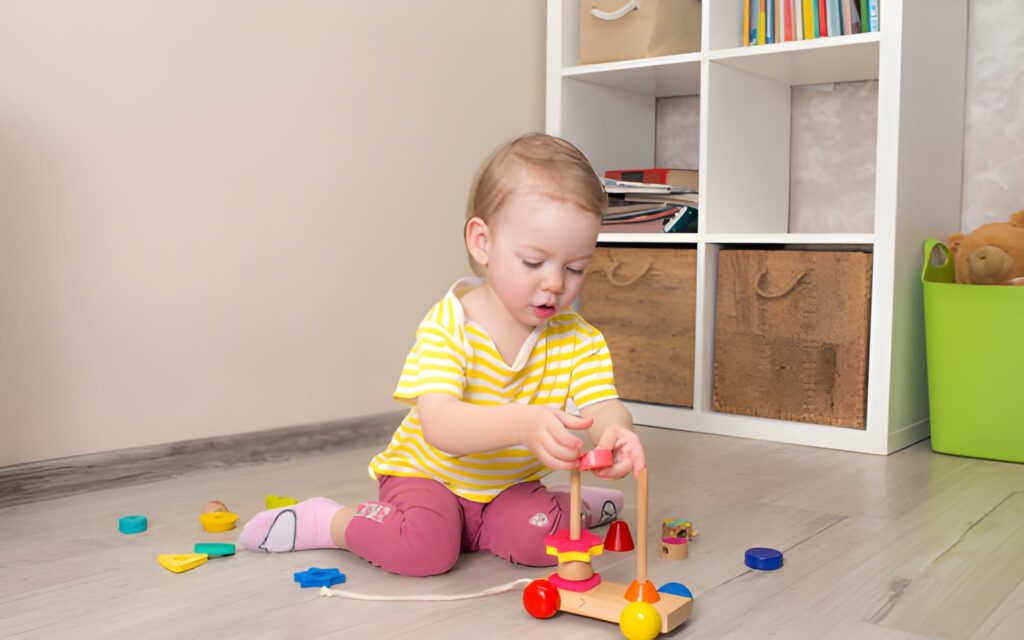
Push and Pull Toys
Strengthens leg muscles, improves walking and coordination
Wooden push walkers, pull-along animals
Ride-On Toys
Enhances balance and motor planning
Small ride-on cars, low tricycles
Balls
Encourages crawling, throwing, and kicking
Soft balls, textured balls, inflatable balls
Stackable Blocks
Develops hand-eye coordination, fine motor skills
Wooden or plastic blocks, soft stacking cubes
Cognitive Development Cognitive skills such as problem-solving, memory, and cause-and-effect understanding flourish during the first year. Toys that stimulate thinking and exploration are highly effective.
Toy Type
Cognitive Benefits
Examples
Shape Sorters
Enhances problem-solving, spatial reasoning
Shape-sorting boxes, puzzles with pegs
Nesting Cups
Encourages counting, size differentiation, and experimentation
Plastic or wooden nesting cups
Simple Puzzles
Develops hand-eye coordination and memory
Large knobbed wooden puzzles, chunky foam puzzles
Cause-and-Effect Toys
Teaches action and result
Pop-up toys, musical instruments with buttons
Language Development Toys that promote interaction, imitation, and communication help toddlers develop expressive and receptive language skills.
Toy Type
Language Benefits
Examples
Interactive Books
Encourages vocabulary, comprehension, and story understanding
Board books with flaps, touch-and-feel books
Talking Toys
Introduces new words, sounds, and songs
Toy phones, talking animals, alphabet toys
Nursery Rhyme Toys
Promotes singing, rhythm, and speech imitation
Musical mats, rhyming plush toys
Social and Emotional Development Toys that encourage cooperative play, role-playing, and emotional expression help children develop social skills and self-confidence.
Toy Type
Social-Emotional Benefits
Examples
Dolls and Plush Toys
Encourages nurturing, empathy, and imaginative play
Soft dolls, stuffed animals
Play Kitchens & Pretend Sets
Supports role-play, social interaction
Mini kitchen sets, toy food and utensils
Puppets
Enhances communication and emotional expression
Hand puppets, finger puppets
Sensory Development One-year-olds explore the world through all their senses. Toys that engage touch, sight, hearing, and even smell or taste can enhance sensory processing.
Toy Type
Sensory Benefits
Examples
Textured Toys
Stimulates tactile awareness
Soft balls, textured blocks, sensory mats
Musical Toys
Develops auditory processing and rhythm
Drums, xylophones, shakers
Water and Sand Play
Enhances tactile exploration and fine motor control
Small water tables, sandbox toys
Light and Color Toys
Improves visual tracking and attention
Light-up toys, colorful stacking rings
Safety Considerations for 1-Year-Old Toys
Avoid small parts that can be choking hazards
Ensure toys are non-toxic and made from BPA-free materials
Choose durable, sturdy toys that can withstand chewing and rough play
Supervise play, especially with ride-on or climbing toys
Conclusion Selecting the right toys for a 1-year-old supports holistic development across physical, cognitive, language, social-emotional, and sensory domains. Toys that encourage exploration, problem-solving, movement, and interaction provide both fun and educational value. By choosing developmentally appropriate, safe, and engaging toys, caregivers can enhance learning, foster creativity, and help children reach important milestones during this critical stage of growth.