Beyond the Scale: A Deep Dive into Newborn Weight and Development
Analyzing physiological weight shifts, growth classifications, and health indicators during the critical first month of life.
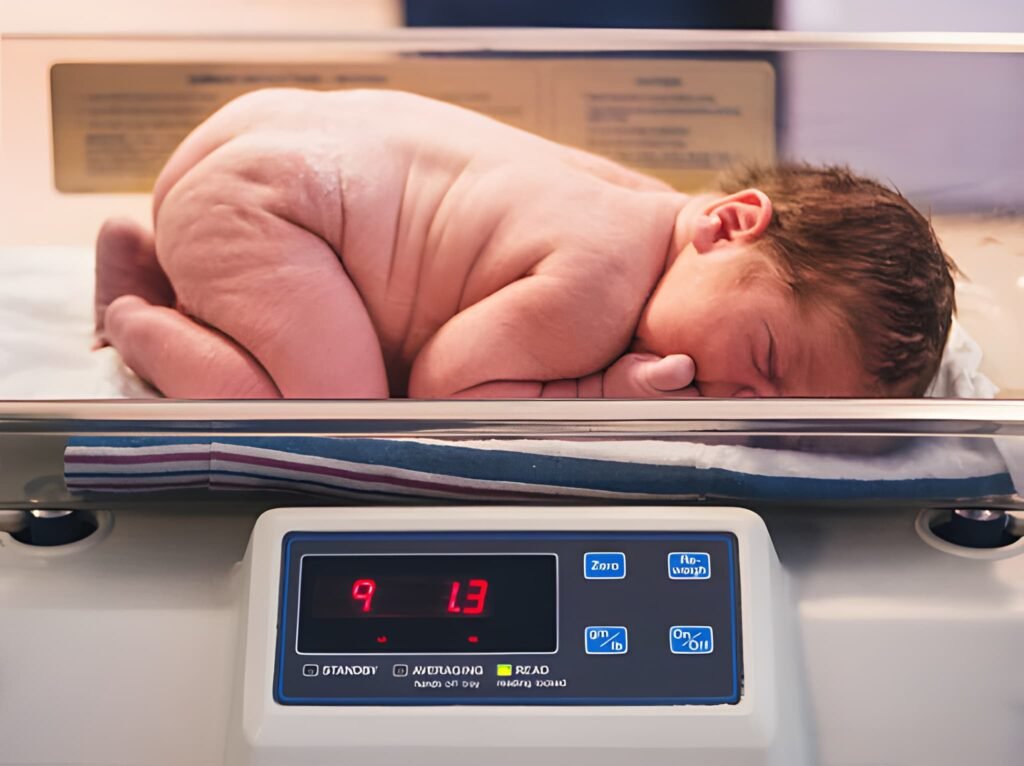
A newborn baby’s weight represents one of the most vital metrics observed by clinicians immediately following delivery. While often treated as a simple number, birth weight serves as a comprehensive indicator of intrauterine health, gestational maturity, and nutritional status. Parents frequently experience anxiety regarding the precision of these measurements, yet understanding the context of infant mass reveals a complex physiological story that extends far beyond a single digital reading.
Normal Birth Weight Ranges and Statistics
In the United States, the average birth weight for a full-term infant delivered between 37 and 40 weeks typically falls between 5 pounds 8 ounces (2,500 grams) and 8 pounds 13 ounces (4,000 grams). However, "average" does not mean "exclusive." A healthy infant might fall slightly outside these parameters depending on their sex, birth order, and the physical stature of the parents.
In , pediatricians continue to utilize the World Health Organization (WHO) growth charts for infants under the age of two. These charts track weight relative to age and length, providing a percentile ranking. Being in the 5th percentile or the 95th percentile is not inherently a cause for alarm; rather, the consistency of the growth trajectory matters most. A baby who consistently follows their own curve is usually thriving, regardless of where that curve sits on the national average.
Clinical Classifications of Newborn Mass
Medical professionals use specific terminology to categorize infants based on their weight relative to their gestational age. These classifications help determine the level of monitoring required in the nursery or NICU.
Small for Gestational Age (SGA)
An infant whose weight falls below the 10th percentile for their gestational age. This can result from placental insufficiency, maternal hypertension, or genetic factors. SGA babies require close monitoring of blood glucose levels.
Large for Gestational Age (LGA)
An infant whose weight exceeds the 90th percentile. Often seen in cases of maternal gestational diabetes, LGA babies are at higher risk for birth injuries and neonatal hypoglycemia due to insulin overproduction.
The Physiological 10% Weight Loss Rule
One of the most counterintuitive aspects of newborn care is the expectation that the baby will lose weight in the first few days of life. This is not a sign of failure but a normal biological process. Newborns are born with an excess of body fluid, which they gradually shed through urine and meconium as they transition to life outside the womb.
Typically, a newborn may lose 5% to 10% of their birth weight within the first 72 to 96 hours. Pediatricians look for the "nadir," or the lowest point, usually around day three or four. Most infants return to their birth weight by day 10 to 14. If the weight loss exceeds 10%, or if the baby fails to regain the weight within two weeks, a lactation or nutritional intervention is usually necessary.
Practical Calculation: Assessing Weight Loss
Formula: ((Birth Weight - Current Weight) / Birth Weight) x 100
Example Scenario:
Birth Weight: 8 lbs 0 oz (128 oz)
Current Weight (Day 3): 7 lbs 6 oz (118 oz)
Loss: 10 oz
Percentage Calculation: (10 / 128) x 100 = 7.8%
Conclusion: This loss is within the safe 10% threshold.
Predicting Growth Curves and Milestones
Once the initial fluid shift stabilizes, a period of rapid growth begins. During the first month, a healthy infant typically gains between 0.7 and 1 ounce (20 to 30 grams) per day. This equates to roughly 5 to 7 ounces per week.
| Timeframe | Expected Weight Pattern | Clinical Focus |
|---|---|---|
| Days 1-4 | Loss of 5-10% of birth weight. | Hydration and stool frequency. |
| Days 10-14 | Return to birth weight. | Feeding efficiency and volume. |
| Months 1-3 | Gain of 1.5 - 2 lbs per month. | Meeting developmental milestones. |
| Month 5-6 | Doubling of birth weight. | Introduction of solid foods. |
| 12 Months | Tripling of birth weight. | Transition to whole milk/solids. |
Nutritional Influences: Breast Milk vs. Formula
The method of feeding can subtly influence the rate of weight gain. Breastfed infants often follow a different growth pattern than formula-fed infants. Breast milk contains hormones like leptin that help the infant self-regulate their intake, leading to a leaner, steadier growth curve. Formula-fed infants may gain weight more rapidly in the first six months, though this does not necessarily mean they are "healthier"—it simply reflects the higher caloric density and delivery speed of bottle feeding.
Maternal, Environmental, and Genetic Factors
A newborn’s weight is influenced by a myriad of factors before they are even born. Maternal nutrition plays a significant role, but so does the health of the placenta. Conditions like preeclampsia can restrict blood flow to the fetus, resulting in lower birth weights. Conversely, maternal obesity or poorly managed gestational diabetes can lead to macrosomia (a very large baby).
Genetics also dictate the "blueprint" for a baby’s size. Tall, large-framed parents are more likely to have larger infants. However, environmental factors such as maternal smoking or exposure to certain pollutants can significantly reduce birth weight by interfering with oxygen delivery to the fetus. In the United States, socioeconomic context also impacts birth weight, with disparities in access to prenatal care often correlating with higher rates of low birth weight (LBW) deliveries.
When to Seek Medical Guidance
While most babies navigate their weight changes without issue, parents should be aware of specific "red flags" that require a pediatric consultation. Growth is the primary job of a newborn, and a failure to meet certain metrics can signal underlying challenges with feeding, absorption, or cardiac health.
- Failure to regain birth weight by 3 weeks of age.
- Weight loss continuing after the fifth day of life.
- Fewer than 6 heavy wet diapers per day by the end of the first week.
- Lethargy or difficulty waking the baby for feedings.
- Visible rib cage or "sunken" appearance in the soft spot (fontanelle).
Growth is a marathon, not a sprint. The first month is a period of adjustment where the infant’s body learns to process nutrients and regulate metabolism. By focusing on the overall health of the child—their alertness, their output, and their general satisfaction after feeds—parents and clinicians can ensure that the numbers on the scale are supported by a foundation of thriving development.
Ultimately, a newborn’s mass is a snapshot of their journey thus far. Whether a baby starts small or large, the goal remains the same: a steady, upward trend that supports the massive neurological and physical changes occurring every day in the first year of life.