The Five Basic Psychological Needs of a Child

The Five Basic Psychological Needs of a Child

Children’s healthy development depends not only on physical care but also on fulfilling their basic psychological needs. Meeting these needs fosters emotional security, cognitive growth, social competence, and overall well-being. Child psychologists identify five fundamental psychological needs that are essential for children to thrive: love and attachment, safety and security, autonomy, competence, and social connection. […]

The Five Basic Psychological Needs of a Child Read More »

The Five Key Areas of Child Psychology

The Five Key Areas of Child Psychology

Child psychology is a multidisciplinary field that focuses on understanding the mental, emotional, social, and cognitive development of children from infancy through adolescence. It provides insights into how children think, feel, behave, and interact with their environment, helping caregivers, educators, and mental health professionals support healthy growth. Five key areas form the foundation of child

The Five Key Areas of Child Psychology Read More »

4-Year-Old Child Psychology

Understanding 4-Year-Old Child Psychology: Cognitive, Emotional, and Social Development

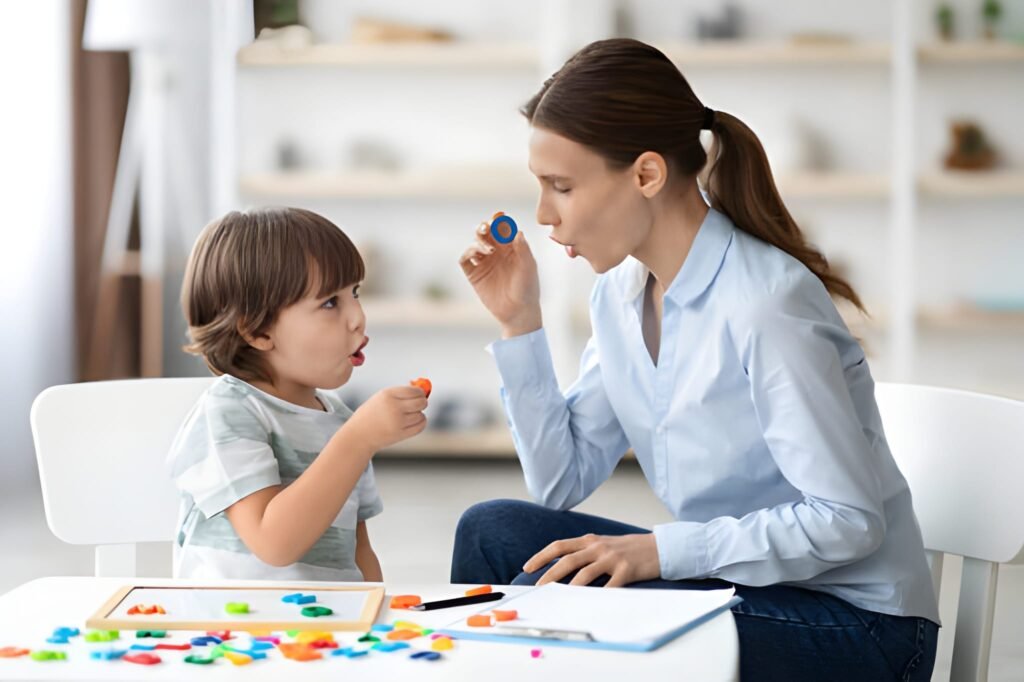
Four-year-old children are in a pivotal stage of early childhood where rapid growth occurs in cognitive abilities, emotional understanding, and social skills. At this age, children gain greater independence, expand their communication skills, and begin to understand complex social interactions, making it a critical period for psychological development. Cognitive Development: At age four, children are

Understanding 4-Year-Old Child Psychology: Cognitive, Emotional, and Social Development Read More »

The Four Stages of Coercion Theory in Child Psychology

The Four Stages of Coercion Theory in Child Psychology

Coercion theory, developed by Gerald Patterson, is a framework in child psychology that explains how patterns of negative behavior and conflict between children and caregivers can escalate over time. It is particularly relevant for understanding the development of aggression, oppositional behaviors, and conduct problems in children. The theory posits that coercive interactions—where both the child

The Four Stages of Coercion Theory in Child Psychology Read More »

Psychological Theories and Its Effects on Child Development

Chronic Child Abuse: Psychological Theories and Its Effects on Child Development

Chronic child abuse is a severe and pervasive issue with long-lasting psychological, emotional, and cognitive consequences. It encompasses repeated patterns of physical, emotional, or sexual maltreatment, as well as neglect, and can significantly disrupt a child’s normal developmental trajectory. Understanding the psychology behind chronic child abuse involves examining multiple theories that explain why abuse occurs,

Chronic Child Abuse: Psychological Theories and Its Effects on Child Development Read More »

3-Year-Old Child Psychology

Understanding 3-Year-Old Child Psychology: Cognitive, Emotional, and Social Development

Three-year-old children are in a dynamic stage of growth where rapid changes in cognition, emotion, and social skills are highly visible. At this age, children are transitioning from toddlerhood to early childhood, which involves expanding independence, curiosity, and self-expression. Understanding the psychology of a 3-year-old is essential for parents, caregivers, and educators to support healthy

Understanding 3-Year-Old Child Psychology: Cognitive, Emotional, and Social Development Read More »

Psychology Behind Crying in a 3-Year-Old Child

Understanding the Psychology Behind Crying in a 3-Year-Old Child

Crying is a fundamental form of communication in early childhood, particularly for children around three years old. At this age, children are developing language and social skills but may still lack the ability to fully articulate their needs, frustrations, or emotions. From a psychological perspective, crying in a 3-year-old can reflect a combination of emotional,

Understanding the Psychology Behind Crying in a 3-Year-Old Child Read More »

Three Key Psychological Factors That Child Psychologists Focus On

Three Key Psychological Factors That Child Psychologists Focus On

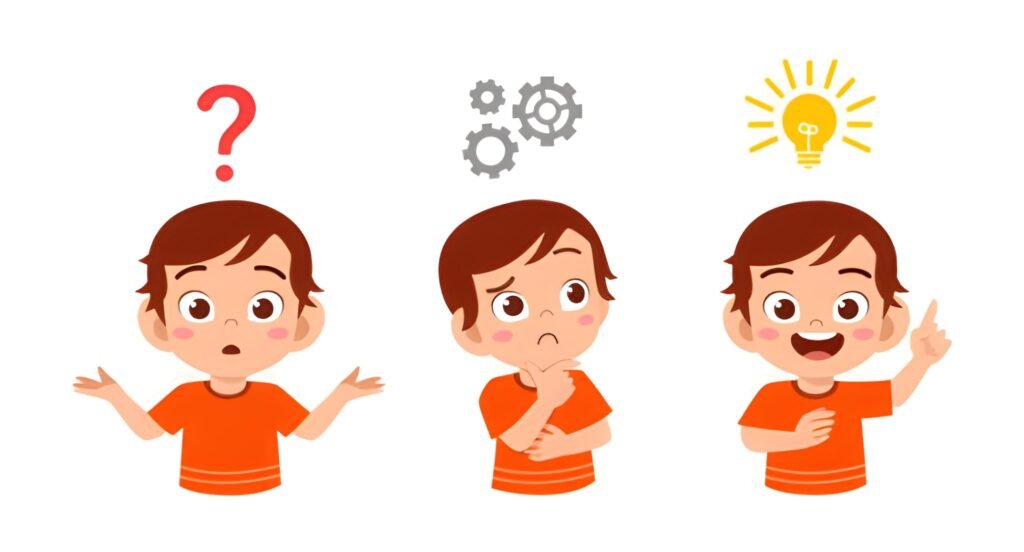
Child psychologists focus on understanding and supporting the mental, emotional, and behavioral development of children. Three key psychological factors—cognitive development, emotional regulation, and social environment—are central to their assessments and interventions. Cognitive development refers to how children acquire knowledge, think, reason, and solve problems. It includes memory, attention, language acquisition, problem-solving, and executive functioning. Child

Three Key Psychological Factors That Child Psychologists Focus On Read More »

Negative Cognitive Triad in Abnormal Child Psychology

Understanding the Negative Cognitive Triad in Abnormal Child Psychology

The negative cognitive triad is a concept introduced by Aaron T. Beck in cognitive theory, primarily in the context of depression. While originally studied in adults, research has shown that this triad can manifest in children and adolescents, influencing their emotional, social, and academic development. In abnormal child psychology, the negative cognitive triad describes a

Understanding the Negative Cognitive Triad in Abnormal Child Psychology Read More »

Best Time to Have a Child

Why Your 20s Can Be the Best Time to Have a Child: Insights from Developmental Psychology

Deciding when to have a child is one of the most significant life choices, influenced by biological, psychological, social, and economic factors. Developmental psychology provides insights into why a parent’s age, particularly being in their 20s, can positively impact both parental well-being and child development. This article explores the advantages, challenges, and psychological implications of

Why Your 20s Can Be the Best Time to Have a Child: Insights from Developmental Psychology Read More »