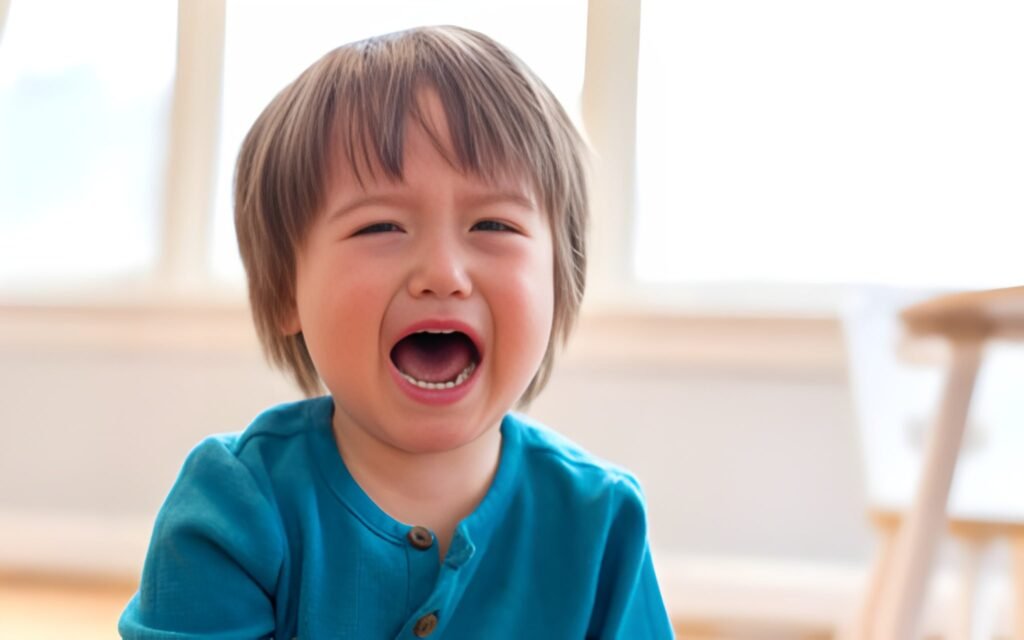
Crying is a fundamental form of communication in early childhood, particularly for children around three years old. At this age, children are developing language and social skills but may still lack the ability to fully articulate their needs, frustrations, or emotions. From a psychological perspective, crying in a 3-year-old can reflect a combination of emotional, cognitive, and social factors, and understanding these can help caregivers respond appropriately and support healthy development.
Emotional Factors: At three years old, children are experiencing intense emotions and learning to regulate them. Emotional regulation is still immature, so feelings such as frustration, fear, or disappointment often lead to crying as an immediate response. For example, a child may cry when a toy is taken away or when asked to stop an enjoyable activity. Crying at this age can also signal underlying stress, fatigue, or feelings of insecurity. According to developmental psychology, children use crying to seek comfort and reassurance from caregivers, which helps them manage emotional arousal and develop trust and attachment.
Cognitive Factors: Cognitive development at age three involves the transition from preoperational thought, as described by Piaget, where thinking is egocentric and children have limited understanding of cause and effect. A 3-year-old may cry because they cannot yet fully comprehend rules, delayed gratification, or abstract reasoning. For instance, a child might cry when they are told they cannot have candy immediately, not because they are spoiled, but because their cognitive ability to understand time and self-control is still developing. Crying serves as a tool to express unmet needs or frustrations when verbal communication is limited or underdeveloped.
Social Factors: Social and environmental contexts significantly influence why a 3-year-old cries. Crying often occurs to gain attention, establish boundaries, or signal distress in social interactions. Children at this age are learning social norms and experimenting with cause-and-effect behaviors in their environment. For example, a child may cry after a sibling grabs a toy to elicit a response from a parent or caregiver. Additionally, cultural and familial practices affect how crying is expressed and responded to. Some children may cry more in environments where emotional expression is encouraged, while others may suppress tears in contexts that discourage overt displays of emotion.
Table 1: Psychological Factors Behind Crying in 3-Year-Old Children
| Factor | Description | Example | Caregiver Response |
|---|---|---|---|
| Emotional | Crying due to intense feelings or stress | Crying after being denied a desired object | Offer comfort, validate feelings, provide reassurance |
| Cognitive | Crying due to frustration, inability to understand rules or delays | Crying when told to wait for a snack | Use simple explanations, redirect attention, teach patience |
| Social | Crying to gain attention, communicate needs, or test boundaries | Crying when a sibling takes a toy | Acknowledge feelings, set consistent boundaries, model appropriate communication |
Developmental Implications: Crying in a 3-year-old is a normal aspect of emotional and social development. How caregivers respond to crying influences attachment, emotional regulation, and social learning. Consistent, sensitive responses help children learn to self-soothe, recognize emotions, and understand social expectations. In contrast, neglecting or dismissing a child’s cries can contribute to anxiety, insecure attachment, or behavioral difficulties.
Behavioral Strategies for Caregivers: Child psychologists recommend observing patterns in crying to understand triggers and underlying needs. Strategies include acknowledging emotions, providing structured choices, teaching coping skills like deep breathing or counting, and setting age-appropriate boundaries. Encouraging verbal expression by prompting children to label feelings can gradually reduce reliance on crying as the primary communication tool.
Understanding the psychology behind crying in a 3-year-old provides caregivers and educators with tools to interpret behavior, support emotional growth, and strengthen secure attachment. Crying is not simply a behavioral issue; it reflects a child’s developmental stage, cognitive limitations, and social interactions. Responding thoughtfully to crying helps children develop emotional resilience, effective communication skills, and a sense of security that lays the foundation for healthy development.