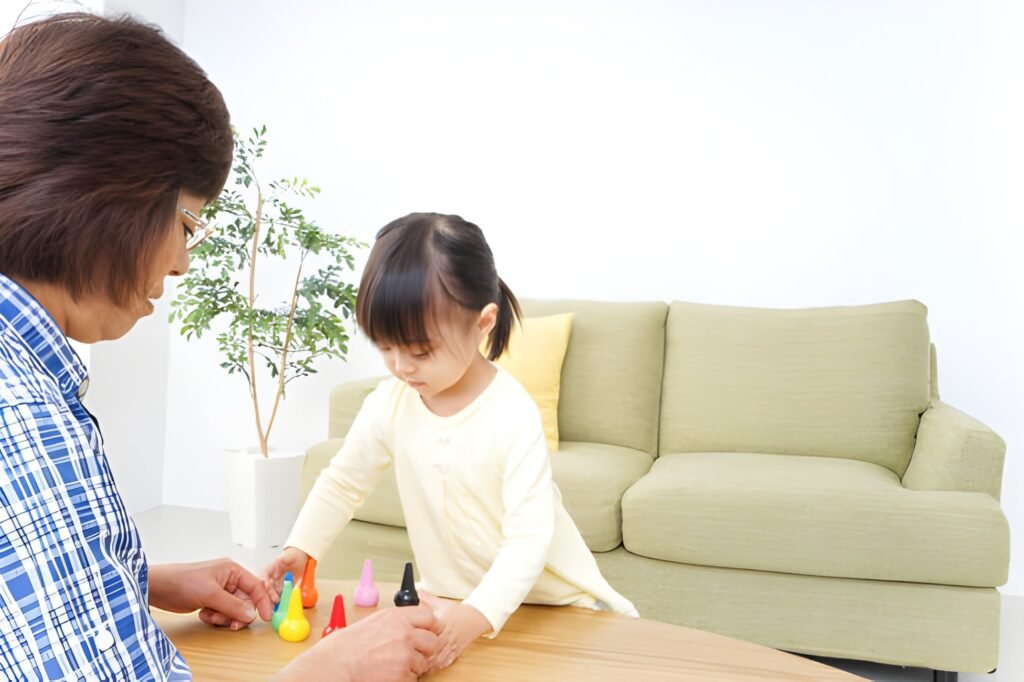
Three-year-old children are in a dynamic stage of growth where rapid changes in cognition, emotion, and social skills are highly visible. At this age, children are transitioning from toddlerhood to early childhood, which involves expanding independence, curiosity, and self-expression. Understanding the psychology of a 3-year-old is essential for parents, caregivers, and educators to support healthy development.
Cognitive Development: At age three, children are in Piaget’s preoperational stage of cognitive development. They begin to use symbols and language to represent objects and ideas, yet their thinking remains egocentric, meaning they have difficulty seeing perspectives other than their own. Imaginative play, storytelling, and asking questions are hallmarks of cognitive growth at this age. For example, a child may create imaginary friends or pretend that a block is a car. Memory and attention span are improving but still limited, which affects learning and problem-solving abilities. Children at this stage are also developing cause-and-effect reasoning, though abstract concepts are not yet fully understood.
Emotional Development: Emotional regulation is a key focus at age three. Children experience intense emotions and are still learning to manage feelings of frustration, anger, fear, and joy. Crying, temper tantrums, and clinginess are common behaviors because children may not have the verbal skills to express complex emotions. At the same time, children begin to show empathy and can recognize basic feelings in others. They seek comfort and reassurance from trusted adults, which helps them develop secure attachment and emotional resilience. Emotional milestones also include the emergence of self-conscious emotions such as pride, guilt, and embarrassment.
Social Development: Social interactions become increasingly complex for 3-year-olds. Children are learning to cooperate, share, and take turns, though conflicts are frequent as they navigate peer relationships. Play becomes more interactive, with parallel play transitioning into cooperative play. Language development plays a crucial role in social skills, as children begin to communicate needs, negotiate, and express preferences. Family relationships remain central, providing a secure base for exploration and social learning, while interactions with peers contribute to understanding social norms and group dynamics.
Behavior and Communication: Three-year-olds are developing greater independence and testing boundaries, which can lead to oppositional behaviors or assertiveness. Their language skills are expanding, often including vocabulary of 200–1,000 words and the ability to form simple sentences. This cognitive and verbal growth allows them to explain feelings, ask questions, and negotiate with others, reducing frustration over time. However, impulsivity and limited attention control can still result in emotional outbursts and challenges with compliance.
Table 1: Key Developmental Milestones for 3-Year-Old Children
| Domain | Typical Milestones | Examples |
|---|---|---|
| Cognitive | Symbolic thinking, imaginative play, basic problem-solving | Pretending a stick is a sword; solving simple puzzles |
| Emotional | Beginning emotional regulation, empathy, self-conscious emotions | Comforting a friend, showing pride in achievements |
| Social | Cooperative play, understanding rules, forming friendships | Sharing toys, taking turns in games |
| Language | Rapid vocabulary growth, simple sentences, asking questions | “I want juice,” “Why is the sky blue?” |
| Physical | Improved coordination, running, climbing, fine motor skills | Drawing shapes, stacking blocks, jumping |
Psychological Implications: Understanding the psychology of a 3-year-old helps caregivers anticipate challenges, provide appropriate guidance, and promote healthy development. Supportive parenting, structured routines, and responsive interactions enhance emotional security and social competence. Recognizing the interplay of cognitive, emotional, and social growth allows adults to respond effectively to behaviors such as crying, tantrums, and assertiveness, viewing them as part of normal development rather than misbehavior.
Strategies for Supporting 3-Year-Olds: Encouraging imaginative play, offering choices to foster autonomy, teaching simple coping strategies for frustration, and modeling prosocial behavior are effective ways to support development. Providing consistent boundaries alongside opportunities for exploration helps children develop self-control, problem-solving skills, and confidence. Early attention to social-emotional skills and language development also prepares children for the transition to preschool and more structured learning environments.
Three-year-old child psychology highlights the complex interplay of cognition, emotion, and social behavior during early childhood. Understanding these factors equips caregivers and educators to nurture a child’s growing independence, communication skills, and emotional intelligence, fostering a foundation for lifelong learning, resilience, and social competence.