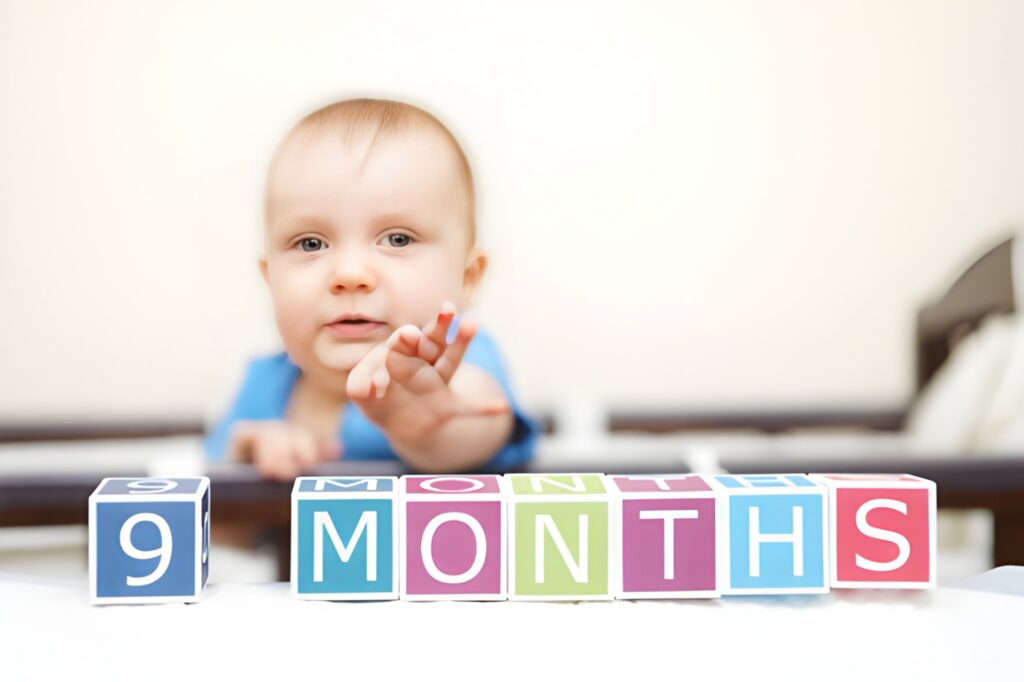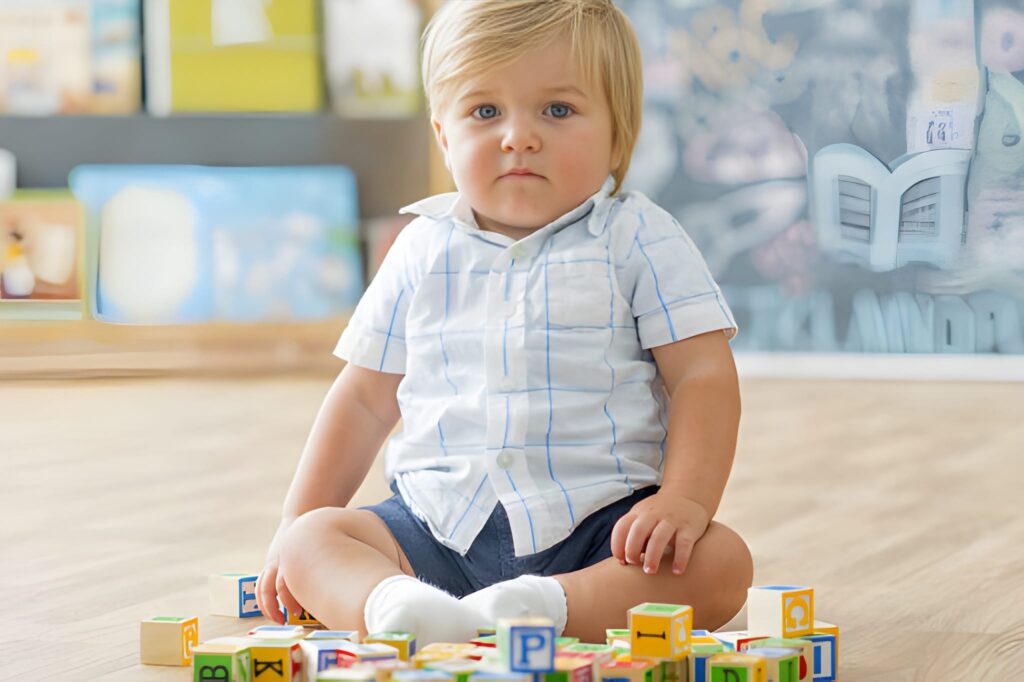
The first three years of life represent a period of remarkable growth and transformation, laying the foundation for physical, cognitive, emotional, and social development. During this time, children progress from entirely dependent newborns to increasingly independent toddlers capable of walking, talking, and exploring their environment. Understanding 0-3 years child development allows parents, caregivers, and early childhood educators to provide the appropriate support, stimulation, and guidance needed for optimal growth. This article examines the developmental milestones from birth to three years, highlights influencing factors, and offers practical strategies to foster holistic development.
Physical Development (0-3 Years)
Physical development during the first three years includes rapid growth in height, weight, and motor skills. Infants typically double their birth weight by five months and triple it by their first birthday. By age three, children often weigh about 28-32 pounds and stand approximately 37-40 inches tall. Motor skills progress from reflexive movements in newborns to walking, climbing, and running in toddlers.
Motor Skill Milestones
| Age Range | Gross Motor Skills | Fine Motor Skills |
|---|---|---|
| 0-3 months | Lifts head briefly, pushes up during tummy time | Hands mostly clenched, reflexive grasp |
| 4-6 months | Rolls over, sits with support, pushes up on arms | Reaches for objects, transfers toys between hands |
| 7-9 months | Sits independently, crawls, pulls to stand | Pincer grasp, explores objects |
| 10-12 months | Cruises along furniture, may walk independently | Points with index finger, puts objects in container |
| 13-18 months | Walks independently, begins climbing stairs | Scribbles, stacks two blocks |
| 19-24 months | Runs, kicks a ball, climbs furniture | Turns pages of a book, stacks 4-6 blocks |
| 25-36 months | Walks up stairs without support, jumps with both feet | Draws simple shapes, uses spoon and fork independently |
Cognitive Development (0-3 Years)
Cognitive development encompasses thinking, learning, memory, and problem-solving. Jean Piaget’s sensorimotor stage (0-2 years) explains the early cognitive progression through six substages, from reflexive behaviors to symbolic thought. By age three, children transition into the preoperational stage, beginning to engage in symbolic play, imagination, and language-driven problem-solving.
Table 2: Cognitive Milestones by Age
| Age Range | Cognitive Skills | Examples |
|---|---|---|
| 0-3 months | Early attention and awareness, object tracking | Follows moving objects, recognizes caregiver |
| 4-6 months | Exploration through touch and mouth, beginning cause-effect understanding | Shakes rattle, responds differently to familiar/unfamiliar objects |
| 7-12 months | Object permanence, intentional actions | Searches for hidden toys, imitates gestures |
| 13-24 months | Problem-solving, simple pretend play | Builds towers, engages in symbolic play |
| 25-36 months | Imaginative play, early reasoning, sorting objects by categories | Plays house, groups objects by color or size |
Language Development (0-3 Years)
Language skills evolve rapidly, moving from cooing and babbling to the formation of simple sentences. Receptive language often precedes expressive language, meaning children understand words before they can use them.
| Age Range | Receptive Language | Expressive Language |
|---|---|---|
| 0-3 months | Responds to voices and sounds | Coos, gurgles |
| 4-6 months | Recognizes familiar voices, responds to tone | Babbles with consonant sounds |
| 7-12 months | Understands simple words like “no” or “bye-bye” | Says first words, imitates sounds |
| 13-18 months | Follows simple instructions, understands basic questions | Vocabulary of 10-50 words, begins two-word combinations |
| 19-24 months | Comprehends simple stories, identifies objects | Vocabulary of 50-200 words, combines two to three words |
| 25-36 months | Understands more complex instructions, asks questions | Forms simple sentences, uses pronouns and plurals |
Social and Emotional Development (0-3 Years)
Social and emotional development begins with attachment formation in infancy and progresses to independence, self-awareness, and social interactions. Secure attachment fosters confidence, empathy, and emotional regulation.
Table 3: Social-Emotional Milestones by Age
| Age Range | Social Development | Emotional Development |
|---|---|---|
| 0-3 months | Recognizes caregivers, smiles socially | Responds to soothing, expresses discomfort |
| 4-6 months | Engages in interactive play | Shows pleasure, excitement, distress |
| 7-12 months | Forms strong attachment, exhibits stranger anxiety | Begins to self-soothe, expresses joy and frustration |
| 13-18 months | Engages in parallel play, tests boundaries | Expresses pride, embarrassment, frustration |
| 19-24 months | Plays alongside peers, uses simple sharing | Understands and labels emotions, begins empathy |
| 25-36 months | Participates in cooperative play, negotiates | Recognizes others’ feelings, manages simple conflicts |
Sensory Development
Sensory experiences are critical for brain development. Infants explore the world through sight, sound, touch, taste, and smell. Early exposure to varied textures, sounds, and visual stimuli enhances neural connections and cognitive development.
| Sense | Development | Milestones |
|---|---|---|
| Vision | Focus and tracking improve | Recognizes faces, follows moving objects |
| Hearing | Sensitive to pitch and tone | Turns toward sounds, responds to familiar voices |
| Touch | Responds to gentle touch, temperature changes | Grasps objects, enjoys tactile stimulation |
| Taste & Smell | Preferences for sweet flavors, recognizes caregiver scent | Explores via mouth, distinguishes familiar scents |
Influences on Development
Development is shaped by genetics, environment, nutrition, caregiving quality, and socioeconomic factors. Secure attachment, enriched environments, and responsive caregiving promote optimal outcomes. Limited resources, poor nutrition, or inconsistent caregiving can contribute to developmental delays, highlighting the importance of community support and early intervention programs.
Practical Strategies for Supporting Development
- Tummy Time: Strengthens neck, shoulder, and core muscles.
- Responsive Interaction: React to cries and cues to support emotional security.
- Sensory Stimulation: Use high-contrast objects, gentle music, and varied textures.
- Language Exposure: Talk, sing, and read regularly.
- Encourage Exploration: Provide safe spaces for crawling, reaching, and manipulating objects.
- Nutrition and Sleep: Ensure a balanced diet and consistent sleep routines for physical and cognitive growth.
Conclusion
The first three years of life are marked by rapid, multidimensional development. Children progress from dependent newborns to increasingly independent toddlers capable of walking, communicating, and engaging socially. Understanding physical, cognitive, language, social-emotional, and sensory milestones allows caregivers to provide supportive environments and appropriate stimulation. Responsive caregiving, safe exploration, and nurturing relationships create the foundation for lifelong learning, emotional health, and social competence. Monitoring developmental progress and engaging in structured, supportive activities ensures children achieve their potential and establishes a strong base for future stages of childhood.