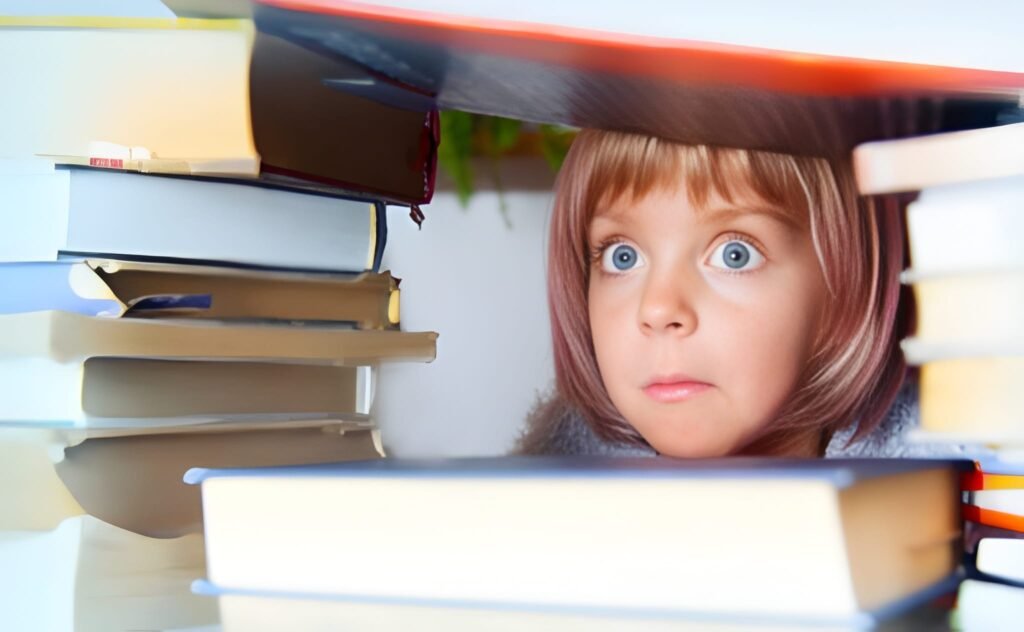
Child psychology is a complex and fascinating field, encompassing cognitive, emotional, social, and behavioral development. Many books provide valuable insights into understanding children, supporting their growth, and applying research-based strategies in parenting, education, or clinical practice. Here are five highly regarded books on child psychology, suitable for parents, educators, and professionals.
1. “The Whole-Brain Child” by Daniel J. Siegel and Tina Payne Bryson
This book combines neuroscience and practical parenting strategies to help children develop emotional regulation, resilience, and problem-solving skills. Siegel and Bryson explain how a child’s brain develops in the first years of life and how caregivers can respond to emotional outbursts, stress, and conflict in ways that foster integration between emotional and logical thinking. Key concepts include “left-right brain integration” and “upstairs-downstairs brain,” offering actionable techniques for everyday parenting challenges.
2. “Child Development” by Laura E. Berk
A comprehensive textbook widely used in developmental psychology courses, Berk’s book covers the cognitive, emotional, social, and physical growth of children from birth through adolescence. It integrates theory and research with real-world examples and applications, making it valuable for students, professionals, and parents seeking a deep understanding of child development. The book also addresses cultural, social, and socioeconomic influences on development.
3. “Mind in the Making: The Seven Essential Life Skills Every Child Needs” by Ellen Galinsky
Galinsky explores seven critical life skills—focus, self-control, perspective-taking, critical thinking, communication, making connections, and taking on challenges—that support long-term success and well-being. Drawing on decades of research in child development, psychology, and education, the book provides practical guidance for fostering these skills in children at various ages, emphasizing both cognitive and socio-emotional growth.
4. “How Children Succeed: Grit, Curiosity, and the Hidden Power of Character” by Paul Tough
Tough’s book challenges the traditional focus on IQ and academic achievement by emphasizing character traits such as perseverance, curiosity, and resilience. Through case studies and research in child psychology, education, and neuroscience, the book explains how early experiences, environment, and emotional development shape long-term success. It offers insights into supporting children facing adversity and highlights the importance of social-emotional learning alongside cognitive skills.
5. “Development Through Life: A Psychosocial Approach” by Barbara M. Newman and Philip R. Newman
This book takes a lifespan perspective but provides extensive focus on childhood development, integrating psychological theories such as Erikson’s psychosocial stages, Piaget’s cognitive development, and attachment theory. It explores the interplay between social, emotional, and cognitive growth, offering case examples, research findings, and practical applications for understanding the challenges and milestones children encounter as they grow.
Table 1: Summary of Five Great Books on Child Psychology
| Book | Author(s) | Focus | Key Takeaways |
|---|---|---|---|
| The Whole-Brain Child | Daniel J. Siegel & Tina Payne Bryson | Neuroscience and parenting strategies | Emotional regulation, brain integration, practical techniques |
| Child Development | Laura E. Berk | Comprehensive developmental psychology | Cognitive, social, emotional, and physical growth; research-based insights |
| Mind in the Making | Ellen Galinsky | Essential life skills for children | Focus, self-control, communication, critical thinking, resilience |
| How Children Succeed | Paul Tough | Character development and resilience | Grit, curiosity, emotional development, overcoming adversity |
| Development Through Life | Barbara M. Newman & Philip R. Newman | Lifespan psychosocial development | Integration of cognitive, social, and emotional development; theoretical frameworks |
These five books provide a robust foundation for understanding child psychology, combining theory, research, and practical strategies. They are invaluable for parents seeking to nurture well-rounded children, educators aiming to support learning and social-emotional growth, and professionals working in child development or clinical psychology. Reading these works equips readers with insights to foster healthy development, emotional resilience, and cognitive and social competence in children.