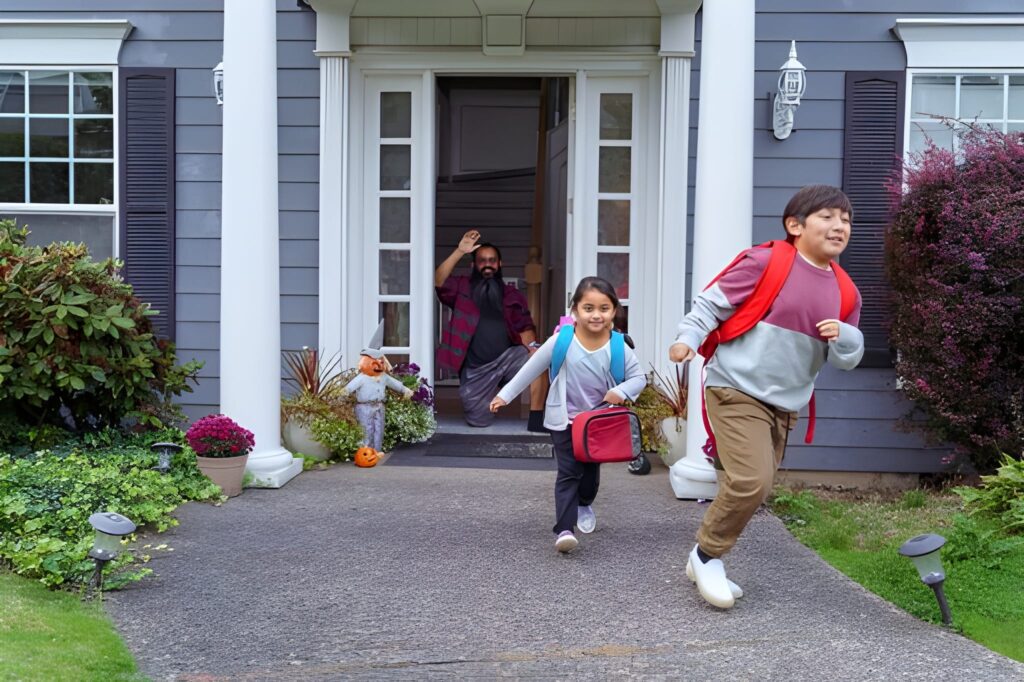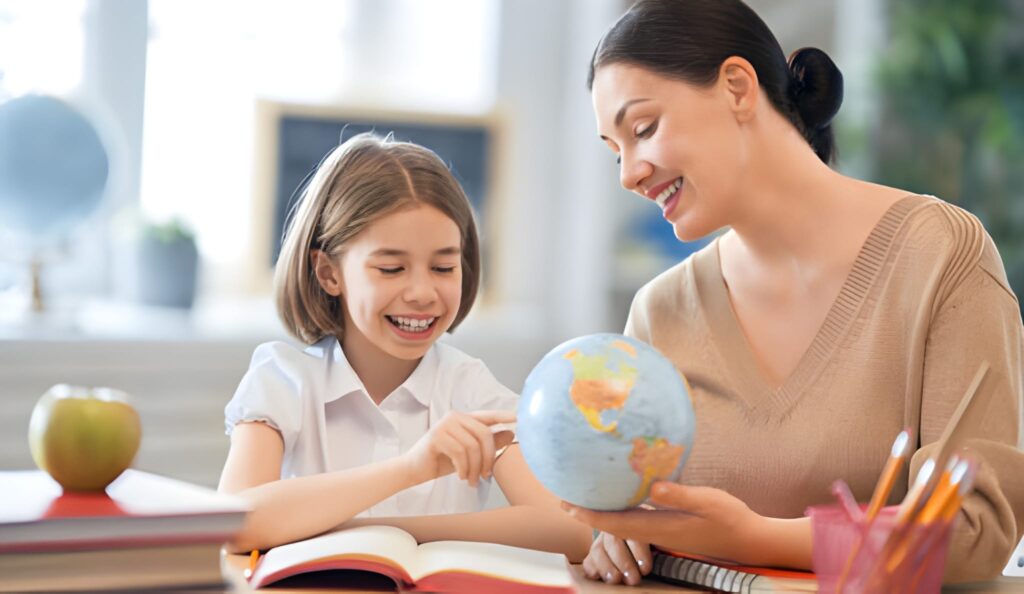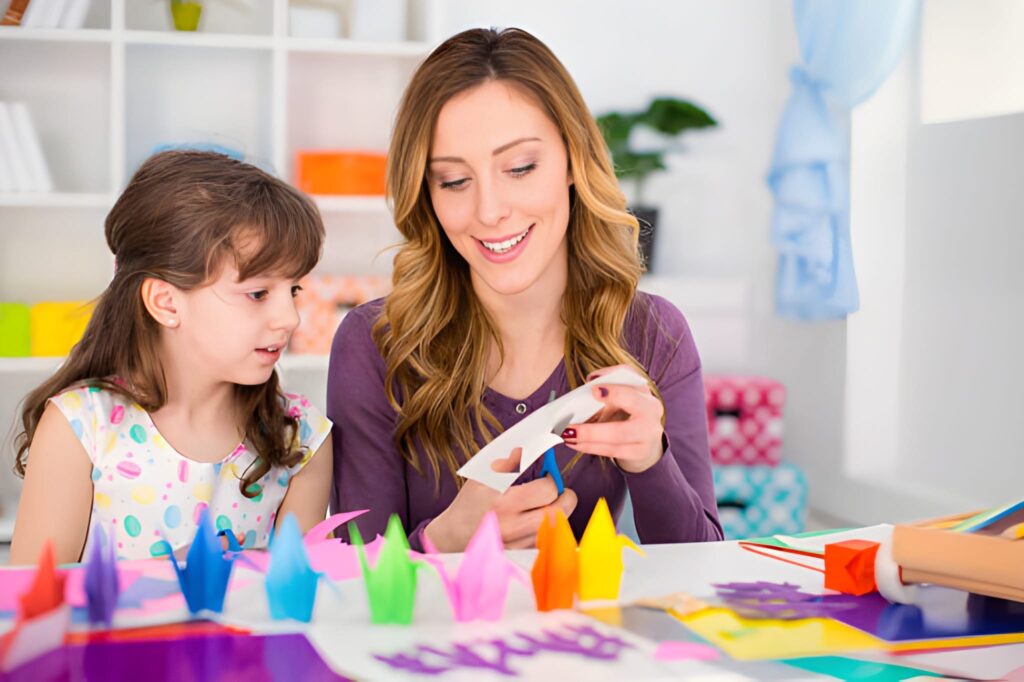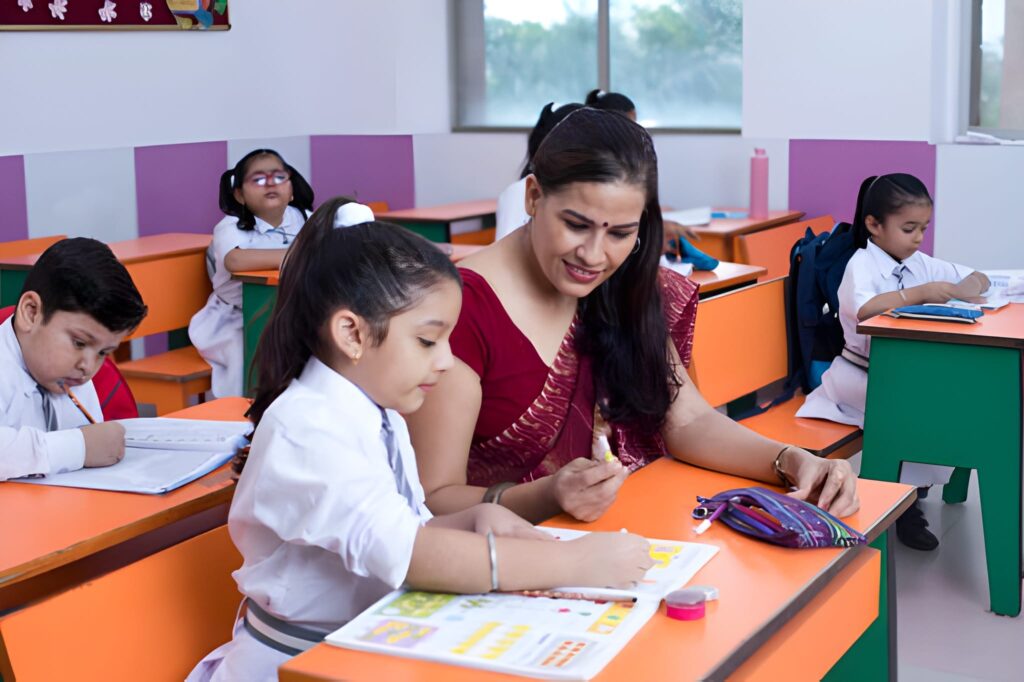
Pre-primary education refers to the stage of organized learning that takes place before children enter formal primary school, usually covering the age group of 3 to 6 years. It is sometimes called preschool, kindergarten, nursery, or early childhood education, depending on the country and local tradition. This phase plays a critical role in shaping a child’s cognitive, emotional, social, and physical development. Research in neuroscience and developmental psychology has shown that the early years are the most formative for brain growth, laying the groundwork for lifelong learning, health, and well-being.
Importance of Pre-Primary Education
Pre-primary education is more than preparing children to enter school; it sets the foundation for their entire educational journey. Its importance can be seen in several dimensions:
- Cognitive Development – Activities like storytelling, puzzles, and guided play stimulate memory, problem-solving, and reasoning.
- Language Skills – Early exposure to structured communication helps children expand vocabulary and understand sentence structures.
- Social and Emotional Skills – Interaction with peers and teachers nurtures cooperation, empathy, and self-regulation.
- Physical Development – Fine motor skills are strengthened through drawing and writing, while gross motor skills are developed through outdoor play.
- School Readiness – Pre-primary education eases the transition into formal schooling by familiarizing children with routines, rules, and group learning.
Objectives of Pre-Primary Education
The main objectives can be summarized as follows:
- Foster curiosity and creativity.
- Develop basic literacy and numeracy skills through playful activities.
- Instill values of sharing, respect, and cooperation.
- Introduce structured routines to prepare children for primary education.
- Provide equal opportunities to children from different socioeconomic backgrounds.
Different Models of Pre-Primary Education
Pre-primary education takes diverse forms depending on cultural, social, and policy contexts.
1. Play-Based Model
- Focuses on child-led exploration through games, storytelling, art, and music.
- Common in Scandinavian countries where outdoor learning is emphasized.
2. Montessori Approach
- Developed by Dr. Maria Montessori, it emphasizes independence, hands-on activities, and self-paced learning.
- Children use specialized materials designed to enhance sensory and cognitive skills.
3. Kindergarten Model
- Popular in Germany and many other countries.
- Combines structured learning with free play, aiming at holistic child development.
4. Reggio Emilia Approach
- Originating in Italy, it stresses project-based learning, creativity, and collaboration.
- Teachers act as co-learners rather than authoritative figures.
5. Formal School-Based Pre-Primary Programs
- Some countries integrate pre-primary levels (nursery, LKG, UKG) within formal schools.
- These follow a curriculum aligned with national standards.
Global Perspectives on Pre-Primary Education
Different countries have distinct systems for pre-primary education:
| Country | Age Group | Pre-Primary Education Type | Government Policy |
|---|---|---|---|
| USA | 3–5 years | Preschool, Head Start Programs | Federally funded Head Start for disadvantaged children |
| UK | 3–4 years | Nursery, Reception | 15–30 hours of free early education per week |
| Finland | 6 years | Pre-primary compulsory class | Strong emphasis on play and outdoor learning |
| India | 3–6 years | Anganwadi, Nursery, LKG/UKG | National Education Policy (2020) integrates ECCE (Early Childhood Care and Education) |
| Japan | 3–6 years | Yōchien (kindergarten), Hoikuen (daycare) | Mix of public and private providers |
| Australia | 4–5 years | Kindergarten, Pre-school | Funded by state and federal programs |
Socioeconomic Dimensions
- Equity – In low-income communities, lack of access to quality pre-primary programs widens learning gaps before children even enter primary school.
- Affordability – While some countries provide free or subsidized preschool, others rely heavily on private providers, creating inequalities.
- Gender – Early education supports working mothers by offering childcare while fostering girls’ equal access to learning.
Benefits of Pre-Primary Education: Research Insights
- A UNICEF study highlights that children who attend pre-primary education are more likely to perform better academically in later years.
- OECD reports show that investment in early childhood yields long-term returns in workforce productivity and social stability.
- Longitudinal studies, like the Perry Preschool Project in the US, demonstrate that children with preschool education have higher graduation rates and lower crime involvement.
Table: Long-Term Benefits of Pre-Primary Education
| Area | With Pre-Primary Education | Without Pre-Primary Education |
|---|---|---|
| Literacy Skills | Strong foundation in reading and writing | Struggles in early grades |
| Numeracy Skills | Better grasp of math concepts | Slower development of problem-solving |
| Social Behavior | Cooperative, empathetic, adaptive | More behavioral challenges |
| Future Earnings | Higher income potential | Lower lifetime earnings |
Challenges in Pre-Primary Education
- Access and Enrollment Gaps – Millions of children in developing countries still lack access to organized pre-primary programs.
- Quality Standards – Inconsistent teacher training and curriculum undermine program effectiveness.
- Funding Limitations – Heavy reliance on private preschools excludes low-income families.
- Cultural Perceptions – In some regions, early childhood education is undervalued, with families prioritizing home care.
Future Directions
- Universal Access – Governments aim to make pre-primary education compulsory or at least universally available.
- Blended Learning – Use of digital tools to enhance early learning while ensuring screen-time balance.
- Inclusive Education – Expanding programs to serve children with disabilities and diverse linguistic backgrounds.
- Community-Based Models – Involving parents and local organizations in delivering early learning services.
Conclusion
Pre-primary education is not just a stepping stone to primary school but a transformative stage that shapes lifelong learning and development. By fostering curiosity, creativity, and foundational skills, it equips children with the tools they need for academic success and social integration. Governments, educators, and communities must work together to expand access, maintain quality, and ensure equity so that every child, regardless of background, benefits from this crucial stage of education.