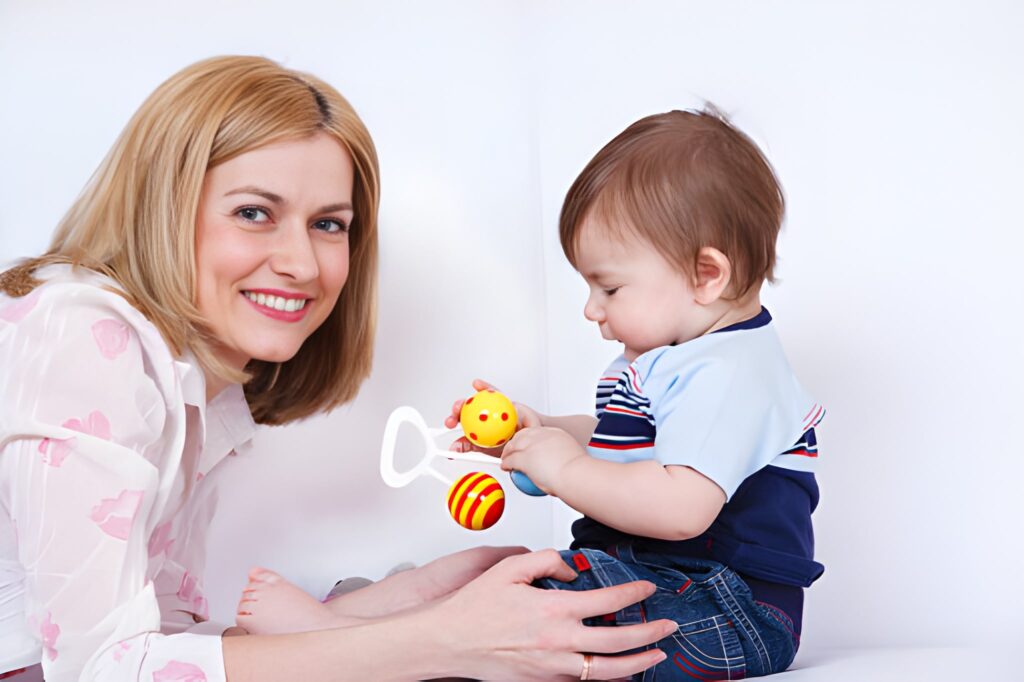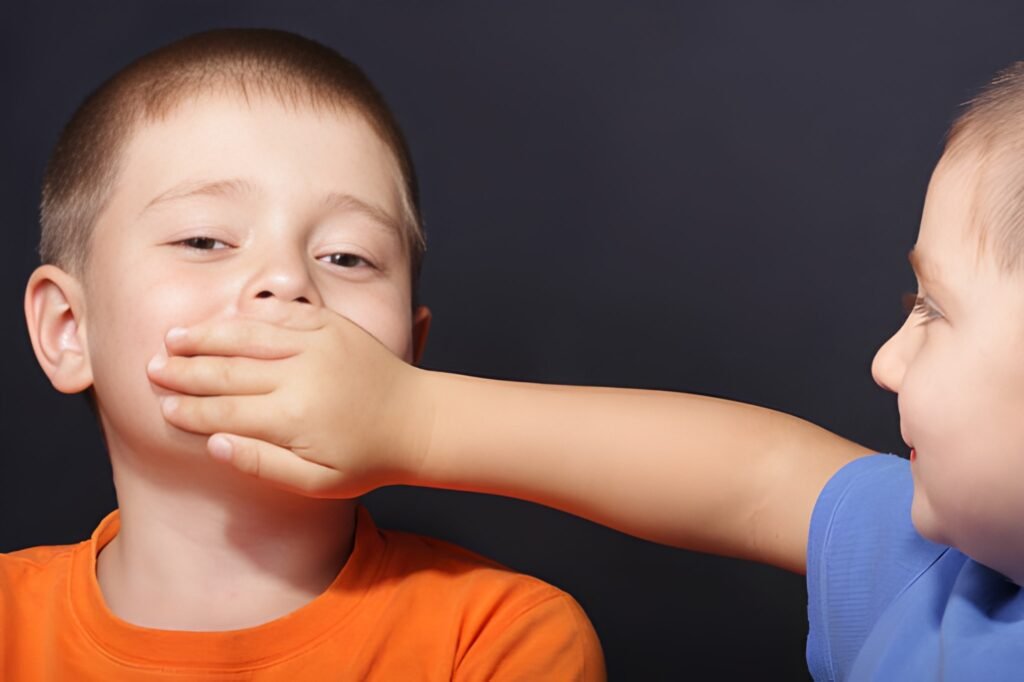
Biting is a common behavior in young children, especially toddlers and preschoolers, often stemming from frustration, sensory exploration, or emotional expression. While it can be concerning for parents and caregivers, psychologists emphasize that biting is typically a developmental phase rather than intentional aggression. Understanding the underlying reasons and applying structured psychological methods can help a child stop biting and develop healthier coping strategies.
Understanding the Reasons for Biting:
Biting may occur due to several psychological and developmental factors:
- Communication difficulties: Children who cannot articulate feelings of frustration, anger, or excitement may bite as an outlet.
- Sensory exploration: Young children explore the world orally, and biting can satisfy sensory curiosity.
- Attention-seeking: Biting may elicit strong reactions from caregivers, providing attention, even if negative.
- Emotional regulation challenges: Children struggling to manage anger, excitement, or anxiety may resort to biting.
- Imitation or modeling behavior: Exposure to aggressive behavior in peers or media can trigger biting.
Psychological Methods to Stop Biting:
1. Positive Reinforcement
Encourage and reward non-biting behavior. Praise the child when they express feelings with words, gestures, or appropriate actions. For example, say, “I’m proud you used your words instead of biting.” Consistent reinforcement helps children learn that positive behaviors lead to attention and approval.
2. Clear and Calm Consequences
Implement immediate, age-appropriate consequences to help the child associate biting with negative outcomes. This can include removing the child from the situation, using a firm “No biting,” or redirecting attention. Avoid harsh punishment, as it may increase anxiety or aggression.
3. Modeling Appropriate Behavior
Demonstrate healthy ways to express emotions. Role-play scenarios where frustration or anger is expressed verbally or through calm actions. Children learn through observation, and consistent modeling of emotional regulation supports behavioral change.
4. Teaching Emotional Expression
Help the child identify and verbalize emotions using tools like emotion charts, storytelling, or role-play. Encouraging phrases like “I’m angry” or “I need a break” empowers children to manage feelings without resorting to biting.
5. Environmental and Sensory Strategies
Address sensory or environmental triggers. Provide chewable toys, teething rings, or stress-relief items for children who bite due to oral exploration or sensory needs. Reducing overstimulating situations or providing structured routines can also prevent biting incidents.
6. Social Skills Training
Teach conflict resolution, turn-taking, and sharing. Social stories or group activities can help children understand how to interact safely and manage impulses during peer interactions.
7. Consistency Across Caregivers
Ensure all caregivers respond to biting in a consistent manner. Mixed responses can confuse the child and reinforce the behavior. Consistency provides clear boundaries and expectations.
Table 1: Psychological Intervention Strategies for Biting
| Strategy | How it Works | Example |
|---|---|---|
| Positive Reinforcement | Rewards alternative behavior | Praise child for using words instead of biting |
| Calm Consequences | Links biting to immediate consequences | “No biting” and remove from play |
| Modeling Behavior | Demonstrates healthy emotional expression | Role-play expressing anger with words |
| Emotional Expression | Teaches identification and verbalization of feelings | Use emotion cards or charts |
| Environmental/Sensory | Addresses sensory triggers | Provide chew toys, calm spaces |
| Social Skills Training | Develops cooperative behavior | Practice sharing, turn-taking in games |
| Consistency | Ensures clear boundaries | Caregivers respond uniformly to biting |
Psychological Considerations:
- Biting is developmentally normal in young children; persistent biting beyond preschool age may indicate underlying emotional, behavioral, or sensory challenges that require professional evaluation.
- Early intervention is key. Addressing biting promptly prevents it from becoming a habitual behavior and supports social-emotional growth.
- Patience, empathy, and structured guidance are essential. Children need time to learn and practice alternative behaviors.
Conclusion:
Using psychological methods to stop a child from biting involves understanding the underlying motivations, teaching emotional and social skills, and applying consistent, age-appropriate strategies. Through positive reinforcement, modeling, and guided interventions, children can learn healthier ways to express feelings, manage frustration, and interact safely with peers. These approaches not only reduce biting but also foster emotional intelligence and social competence.