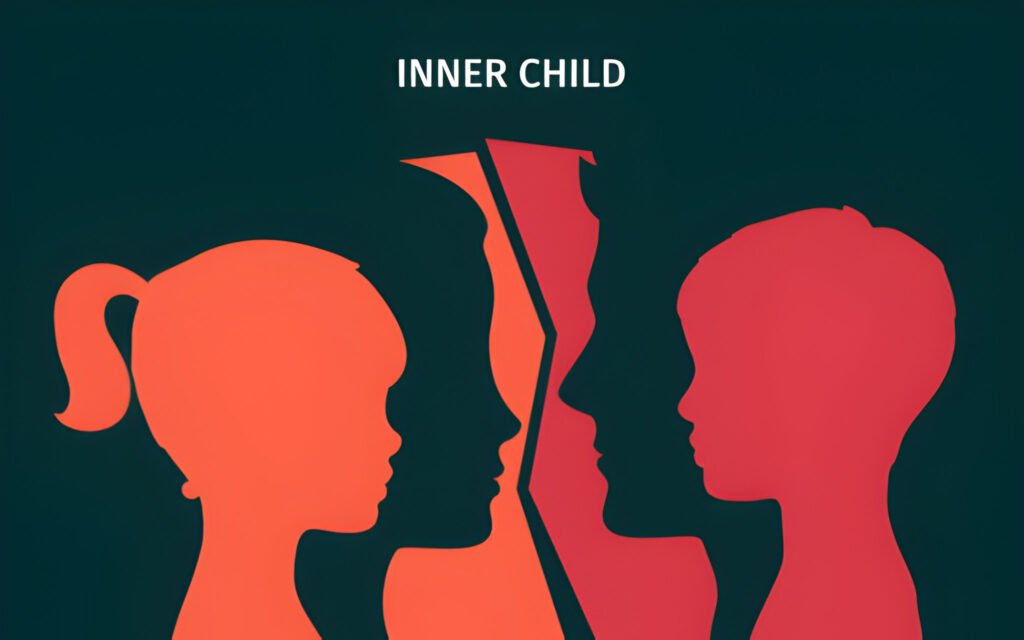
The concept of the “inner child” in psychology represents the part of an individual that retains childlike emotions, experiences, and memories. Exploring inner child archetypes can provide insight into patterns of behavior, emotional responses, and relational dynamics that persist into adulthood. Recognizing these archetypes helps individuals foster self-awareness, emotional healing, and personal growth. Psychologists and therapists often use these archetypes to guide therapeutic interventions, particularly in understanding trauma, attachment issues, and self-limiting beliefs.
1. The Innocent Child
The Innocent Child embodies trust, wonder, and curiosity. This archetype represents a desire for safety, protection, and unconditional love. When nurtured, it supports optimism and a sense of joy in life. However, if neglected or traumatized in childhood, the Innocent Child may manifest as fearfulness, dependency, or naivety. Therapeutic work focuses on fostering safety and reestablishing trust in oneself and others.
2. The Abandoned or Orphan Child
This archetype reflects experiences of neglect, loss, or emotional abandonment. The Abandoned Child often carries feelings of loneliness, rejection, or unworthiness into adulthood. It may lead to struggles with attachment, fear of intimacy, or self-sabotage. Healing involves acknowledging unmet needs, developing self-compassion, and forming secure emotional connections with others.
3. The Rebel or Wild Child
The Rebel Child embodies defiance, independence, and a desire for freedom. This archetype emerges in children who have felt constrained or unheard. In adulthood, it may appear as resistance to authority, risk-taking, or unconventional behavior. While healthy expression fosters individuality and creativity, unresolved wounds can lead to chronic rebellion or difficulties in following social norms. Therapy may involve channeling rebellious energy constructively and understanding its origins.
4. The Carefree or Playful Child
This archetype represents spontaneity, joy, and creativity. The Playful Child is naturally curious, imaginative, and expressive. Suppression of this archetype in childhood—due to strict upbringing, trauma, or fear of judgment—can result in rigidity, workaholism, or difficulty enjoying life. Healing encourages play, creative expression, and embracing lightheartedness as a vital aspect of adult well-being.
5. The Victimized or Hurt Child
The Victimized Child reflects experiences of trauma, bullying, or emotional harm. It is characterized by feelings of vulnerability, fear, and mistrust. If unresolved, this archetype can manifest as self-pity, anxiety, or avoidance of challenges. Therapeutic approaches often involve trauma-informed care, validation of past experiences, and developing coping strategies to reclaim personal power.
6. The Heroic or Warrior Child
The Heroic Child represents resilience, determination, and the drive to overcome challenges. It may arise from adversity, encouraging independence and problem-solving. In adulthood, this archetype can foster perseverance, courage, and leadership but may also lead to perfectionism or overextension if the child feels the need to constantly prove worth. Healing focuses on balancing ambition with self-care and acknowledging emotional needs.
7. The Nurturing or Caregiver Child
This archetype embodies empathy, compassion, and a desire to care for others. Often developed in children who assume adult responsibilities early, it fosters helpfulness and emotional sensitivity. Unchecked, it can lead to over-responsibility, neglect of self, or difficulty setting boundaries. Healing involves cultivating self-compassion and balancing giving with personal needs.
Table 1: Summary of the Seven Inner Child Archetypes
| Archetype | Core Traits | Potential Adult Manifestation | Healing Focus |
|---|---|---|---|
| Innocent Child | Trust, curiosity, wonder | Fearfulness, dependency, optimism | Reestablish trust and safety |
| Abandoned/Orphan Child | Loneliness, unworthiness | Fear of intimacy, self-sabotage | Self-compassion, secure attachments |
| Rebel/Wild Child | Independence, defiance | Resistance to authority, risk-taking | Constructive expression, understanding origins |
| Playful Child | Joy, creativity, spontaneity | Rigidity, difficulty enjoying life | Embrace play, creativity, and lightheartedness |
| Victimized/Hurt Child | Vulnerability, fear | Anxiety, avoidance, self-pity | Trauma-informed care, reclaiming power |
| Heroic/Warrior Child | Resilience, determination | Perfectionism, overextension | Balance ambition with self-care |
| Nurturing/Caregiver Child | Empathy, responsibility | Over-responsibility, self-neglect | Self-compassion, boundary setting |
Psychological Implications: Understanding the seven inner child archetypes helps individuals recognize recurring emotional patterns and unconscious behaviors rooted in childhood experiences. Therapists often guide clients in connecting with these archetypes to process trauma, build resilience, and enhance emotional intelligence. Awareness of these archetypes fosters self-acceptance, better relationships, and healthier coping mechanisms.
Practical Applications:
- Journaling and reflection on childhood experiences related to each archetype.
- Creative expression (art, play, music) to reconnect with suppressed archetypes.
- Therapy techniques such as guided imagery or inner child dialogue.
- Mindfulness and self-compassion practices to nurture wounded archetypes.
Exploring the seven inner child archetypes allows individuals to heal emotional wounds, embrace strengths, and cultivate a balanced, authentic adult self. By acknowledging the lingering influence of childhood experiences, people can integrate their inner child in ways that enhance emotional resilience, creativity, and relational health.