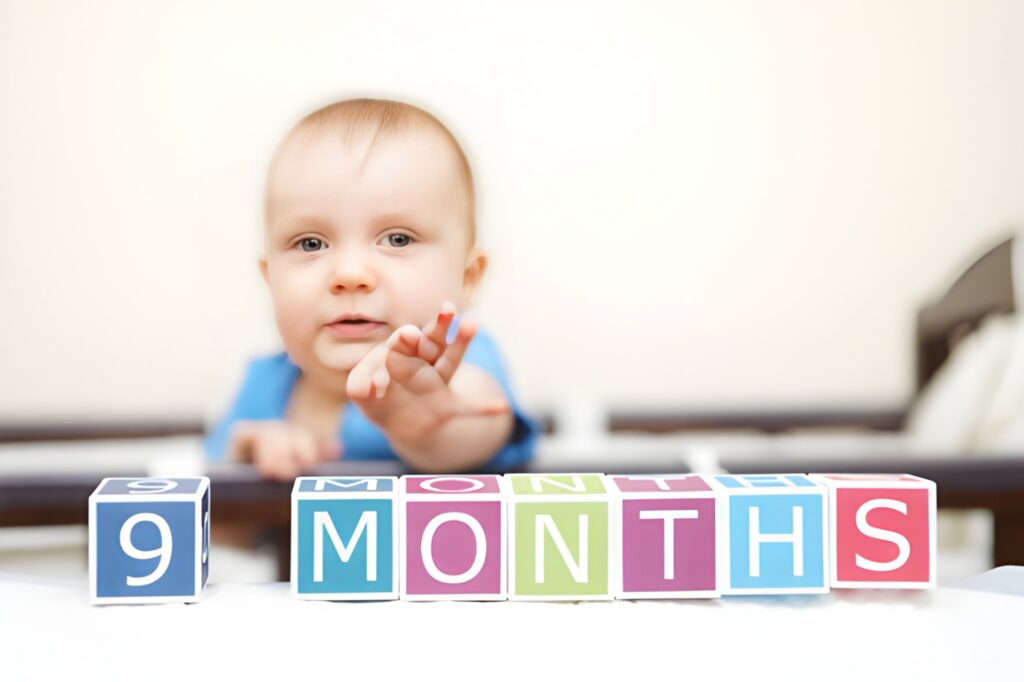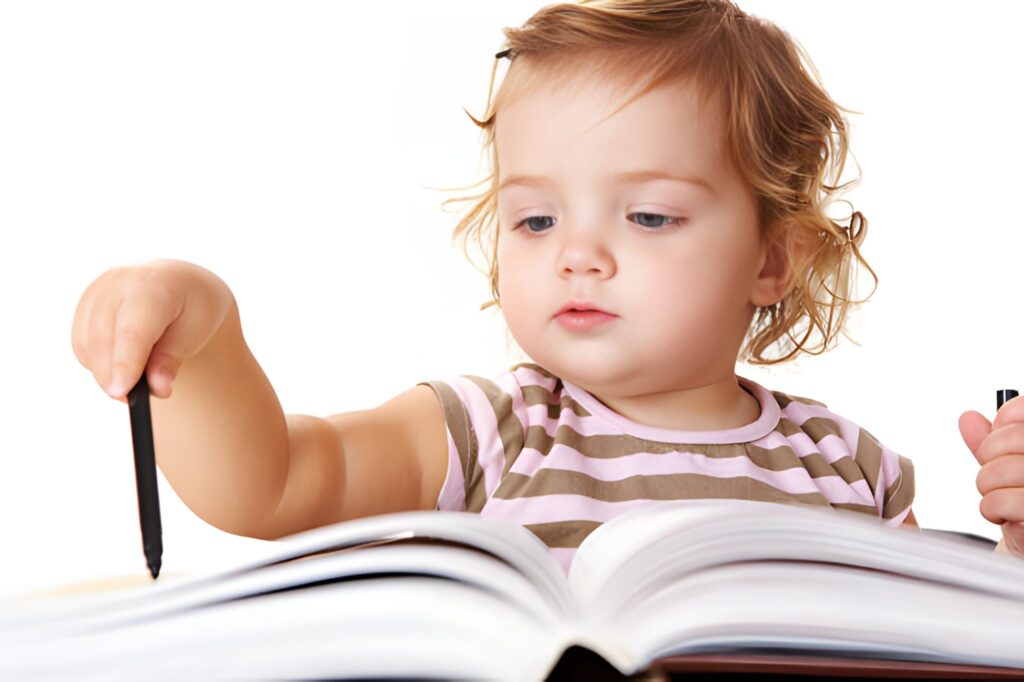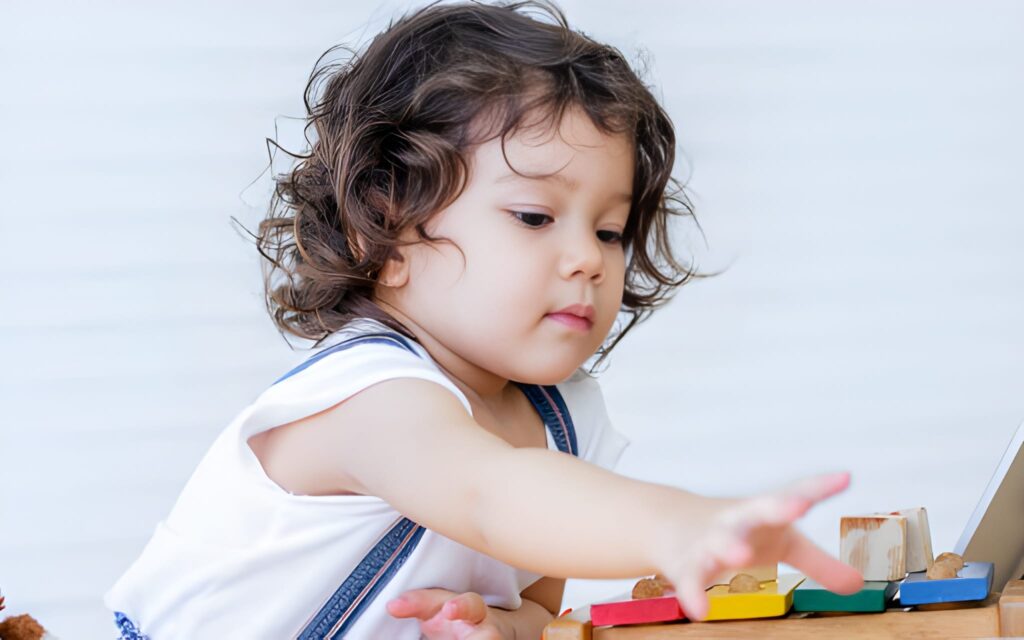
At 18 months, a child is in a unique stage of development where curiosity, mobility, and emerging independence are prominent. This period marks rapid advancement in physical, cognitive, language, social-emotional, and sensory skills. Understanding 1.5-year-old child development helps caregivers provide the appropriate environment and support for optimal growth, learning, and socialization.
Physical Development
By 18 months, children have generally mastered independent walking and are beginning to refine balance, coordination, and fine motor skills.
Motor Skill Milestones:
| Skill Type | Milestones at 18 Months |
|---|---|
| Gross Motor | Walks confidently, begins running, climbs onto furniture with assistance, pulls toys while walking |
| Fine Motor | Scribbles with crayon, stacks 2-3 blocks, turns pages of a book, begins self-feeding with spoon |
Cognitive Development
At 18 months, toddlers exhibit increased problem-solving abilities, memory, and curiosity. They begin exploring cause-and-effect relationships and engage in simple pretend play.
Cognitive Milestones:
- Explores objects in multiple ways (shaking, banging, pushing)
- Recognizes familiar people, objects, and routines
- Begins understanding simple cause-effect relationships
- Engages in basic pretend play, e.g., feeding a doll or talking to toys
Language Development
Language development accelerates, with toddlers beginning to combine words into simple phrases and expanding their vocabulary rapidly.
| Aspect | Milestones at 18 Months |
|---|---|
| Receptive Language | Follows one-step instructions, points to familiar objects when named |
| Expressive Language | Vocabulary of 20-50 words, uses two-word phrases, imitates words and sounds, begins naming common objects |
Social and Emotional Development
Social and emotional skills become more complex at 18 months. Children assert independence, test boundaries, and begin demonstrating early empathy.
Social-Emotional Milestones:
- Shows affection to familiar people
- Experiences frustration, excitement, pride
- Engages in parallel play alongside other children
- Begins imitating adult social behaviors and gestures
- Begins showing preference for certain caregivers or peers
Sensory Development
Sensory exploration remains vital for learning and coordination. Children actively use all senses to interact with their environment.
Sensory Milestones:
- Recognizes familiar voices and sounds
- Explores different textures with hands and mouth
- Shows preferences for tastes and may react to new foods
- Enjoys sensory play with sand, water, or soft materials
Practical Strategies for Supporting 1.5-Year-Old Development
- Provide safe spaces for walking, climbing, and exploring
- Offer toys and activities that promote fine motor and problem-solving skills
- Talk, sing, and read to the child regularly to support language growth
- Introduce simple choices to foster independence
- Model social and emotional behaviors, such as sharing and empathy
- Maintain consistent routines to provide a sense of security
Conclusion
At 1.5 years, children are highly active, curious, and increasingly independent. They make significant progress in walking, running, communication, problem-solving, and social interaction. By understanding the milestones in physical, cognitive, language, social-emotional, and sensory development, caregivers can provide effective support that encourages confidence, curiosity, and foundational skills for later childhood. Engaging play, safe exploration, consistent routines, and responsive caregiving are essential for helping children thrive during this formative period.