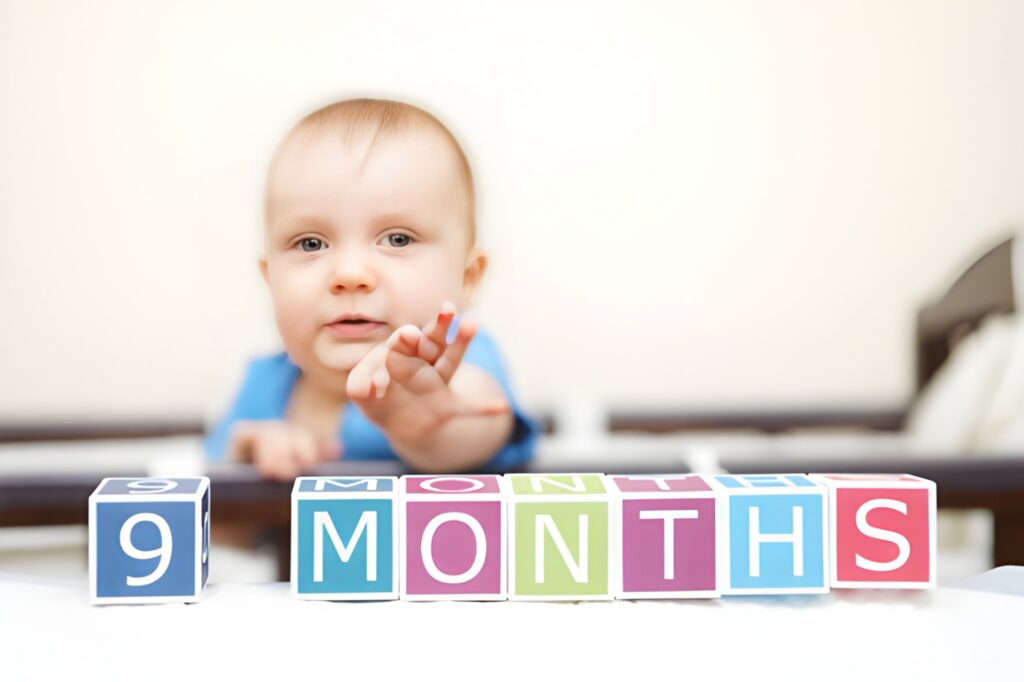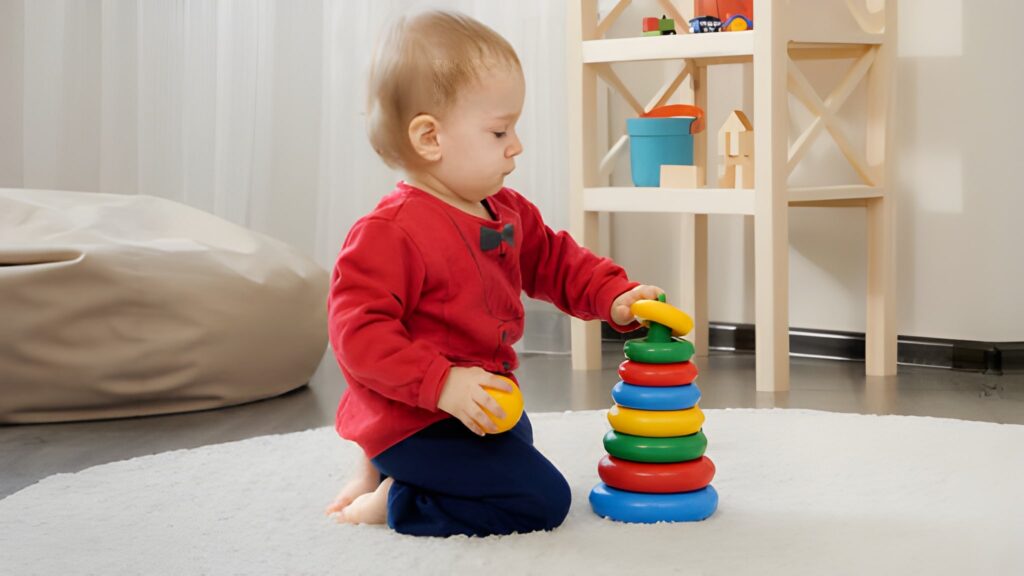
The period from birth to 18 months represents one of the most rapid and transformative phases in a child’s life. Infants transition from complete dependence on caregivers to greater autonomy, developing motor, cognitive, language, and social-emotional skills at an extraordinary pace. Understanding these developmental milestones allows parents, caregivers, and early childhood educators to provide responsive care, early learning opportunities, and timely intervention when necessary. Although every child develops uniquely, general patterns offer valuable guidance for tracking growth and promoting optimal development.
Physical Development
Physical growth in the first 18 months is dramatic. Newborns typically double their birth weight by 4–6 months and triple it by 12 months. Length increases by roughly 50% in the first year. Motor development progresses from reflexive movements to purposeful actions, including crawling, standing, and early walking. Fine motor skills advance from grasping objects to precise pincer movements.
| Age Range | Physical Milestones | Gross Motor Skills | Fine Motor Skills |
|---|---|---|---|
| 0–3 months | Gains 1.5–2 lbs/month | Lifts head briefly, moves arms and legs | Hands mostly closed, reflexive grasp |
| 3–6 months | Rolls over, improved muscle tone | Sits with support, pushes chest off floor | Reaches for objects, brings hands to mouth |
| 6–9 months | Sits without support, begins crawling | Moves toward objects, may pull to stand | Transfers objects between hands, rakes with fingers |
| 9–12 months | Pulls to stand, cruises along furniture | May take first steps, crawls efficiently | Pincer grasp develops, claps hands |
| 12–15 months | Walks independently, climbs furniture | Begins running, squats to pick up objects | Scribbles with crayon, stacks 2–4 blocks |
| 15–18 months | Refines walking and balance | Begins climbing stairs with help | Uses spoon, manipulates small objects, points |
Cognitive Development
Cognitive development in this period aligns with Piaget’s sensorimotor stage. Infants learn through their senses and motor interactions, gradually building memory, understanding cause-and-effect, and developing problem-solving skills.
- 0–6 Months: Sensory exploration dominates. Babies learn about objects and people through sight, sound, touch, and movement.
- 6–12 Months: Object permanence emerges, allowing infants to understand that hidden objects still exist. Early problem-solving appears through trial and error.
- 12–18 Months: Toddlers demonstrate increased memory, imitate behaviors, and begin simple symbolic thinking, such as using a block as a phone or pushing a toy car.
| Age | Cognitive Skills | Learning Examples |
|---|---|---|
| 0–3 months | Focus on faces, tracks objects | Recognizes caregiver’s voice and facial expressions |
| 3–6 months | Explores with hands and mouth | Shakes rattle to produce sound |
| 6–9 months | Understands object permanence | Searches for hidden toys, experiments with cause-effect |
| 9–12 months | Early problem-solving | Uses trial-and-error to achieve goals, imitates adult actions |
| 12–15 months | Simple symbolic play, memory | Pretends to talk on toy phone, recalls locations of objects |
| 15–18 months | Increased attention, imitation | Begins following simple instructions, uses objects creatively |
Language Development
Language skills evolve from cooing and babbling to the use of first words and simple two-word combinations by 18 months. Early language development is influenced by caregiver interaction, exposure to words, and opportunities for communication.
- 0–6 Months: Cooing, gurgling, and crying are primary communication tools. Babies respond to familiar voices and sounds.
- 6–12 Months: Babbling becomes more complex with consonant-vowel combinations. Infants understand simple words and respond to their name.
- 12–18 Months: Vocabulary expands to 10–50 words or more. Toddlers begin combining words (“more milk”) and using gestures such as pointing, shaking head, or waving.
| Age | Language Skills | Communication Examples |
|---|---|---|
| 0–3 months | Coos, cries, responds to sound | Smiles or quiets in response to caregiver voice |
| 3–6 months | Babbles consonants, vocalizes pleasure | Laughs, experiments with sounds |
| 6–9 months | Imitates sounds, understands simple words | Responds to “no” or “bye-bye” |
| 9–12 months | First words, gestures | Says “mama/dada,” points to objects |
| 12–15 months | Expands vocabulary | Uses 5–20 words, imitates words |
| 15–18 months | Combines words, communicates needs | Says “want cookie,” follows 1-step instructions |
Social and Emotional Development
Attachment, emotional expression, and early social interaction are central during this period. Secure attachment promotes trust, emotional regulation, and curiosity.
- 0–6 Months: Responds to caregiver’s face and voice, expresses basic emotions.
- 6–12 Months: Displays separation anxiety, shows preference for familiar caregivers, enjoys social games.
- 12–18 Months: Develops autonomy, expresses frustration or affection, imitates social behaviors, engages in early parallel play with peers.
| Age | Social Skills | Emotional Milestones | Play Type |
|---|---|---|---|
| 0–3 months | Responds to faces and voices | Smiles, expresses distress | Sensory exploration |
| 3–6 months | Enjoys interaction | Expresses pleasure and discomfort | Simple object play |
| 6–9 months | Shows attachment, stranger anxiety | Exhibits preference for caregivers | Peekaboo, imitation |
| 9–12 months | Social games, recognizes self in mirror | Seeks comfort, responds to others’ emotions | Interactive play, gestures |
| 12–15 months | Asserts independence | Expresses basic emotions | Parallel play, simple pretend play |
| 15–18 months | Imitates behaviors, interacts with peers | Experiences pride, frustration, curiosity | Early cooperative play, symbolic play |
Health and Nutrition
Nutrition is critical for growth and brain development. Breastfeeding or formula is recommended up to 12 months, supplemented with iron-rich solid foods starting at 6 months. Adequate sleep, regular health check-ups, and immunizations support healthy growth. Physical activity, even simple movements like crawling and walking, enhances motor development and overall health.
Monitoring Development and Early Intervention
Regular pediatric assessments help track milestones, detect delays, and provide guidance. Signs of potential concerns include limited eye contact, poor motor skill progression, delayed babbling or first words, or extreme difficulty in social interactions. Early intervention programs can address developmental delays and improve long-term outcomes.
Practical Strategies for Caregivers
- Encourage Exploration: Provide safe, age-appropriate toys and spaces.
- Talk and Read Daily: Engage in language-rich interactions.
- Respond Consistently: Meet the baby’s needs promptly to build secure attachment.
- Provide Nutritional Support: Ensure breastfeeding/formula and age-appropriate solids.
- Promote Play and Socialization: Facilitate both solitary and peer interactions.
- Monitor Health: Maintain vaccination schedules, growth tracking, and sleep routines.
Conclusion
Child development from 0 to 18 months is characterized by rapid growth across physical, cognitive, language, and social-emotional domains. Supportive caregiving, safe environments, and responsive interaction enable infants and toddlers to reach their full potential. Monitoring milestones and fostering early learning skills during this crucial period lays a strong foundation for continued growth, social competence, and academic success.