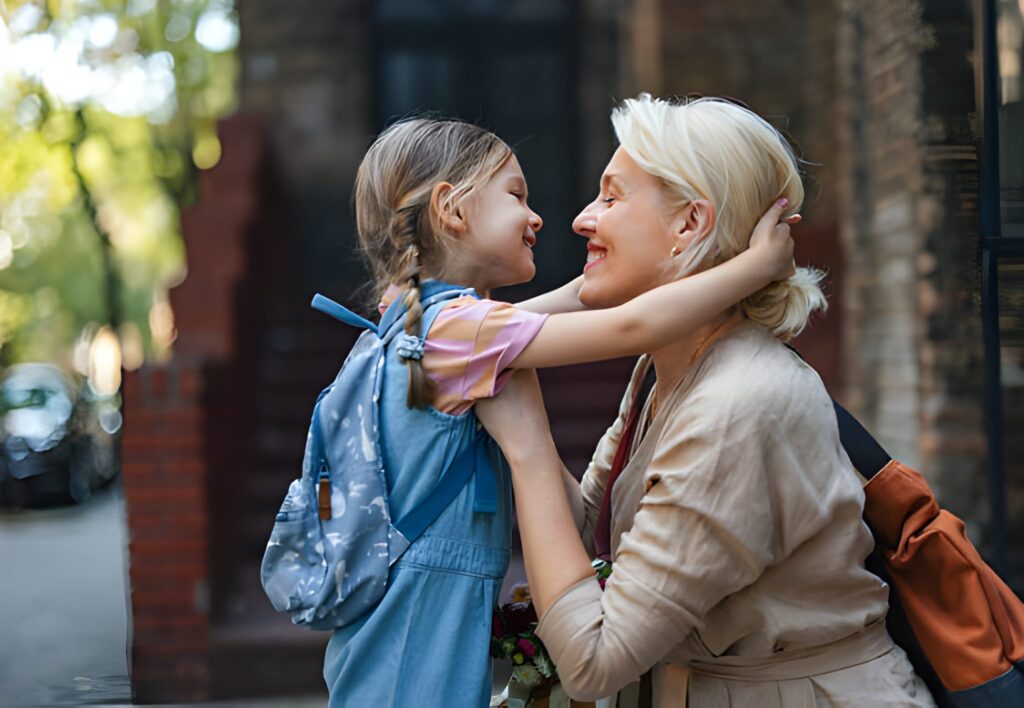
Self-esteem, the perception and evaluation of one’s own worth, is a cornerstone of healthy child development. It influences emotional regulation, social interactions, academic achievement, and long-term mental health. Understanding how self-esteem develops, the factors that shape it, and strategies to foster a positive self-concept is crucial for parents, caregivers, and educators. This article explores the multidimensional nature of self-esteem in children, its developmental trajectory, environmental influences, and practical approaches to nurturing resilience and confidence from infancy through adolescence.
Defining Self-Esteem in Children
Self-esteem is a child’s overall sense of personal value, encompassing feelings of competence, acceptance, and self-worth. In early childhood, self-esteem is closely linked to attachment and caregiver responsiveness. As children grow, it becomes shaped by peer interactions, academic experiences, and societal feedback. High self-esteem is associated with positive emotional health, while low self-esteem can contribute to anxiety, depression, and behavioral challenges.
Developmental Trajectory of Self-Esteem
Self-esteem develops gradually and reflects a combination of innate temperament, environmental factors, and social experiences. Table 1 summarizes the typical progression of self-esteem across age ranges.
| Age Range | Self-Esteem Characteristics | Key Influences |
|---|---|---|
| 0-2 years | Emergent sense of security and self through attachment | Caregiver responsiveness, consistent nurturing |
| 3-5 years | Developing autonomy, pride in accomplishments | Positive reinforcement, encouragement, exploration |
| 6-8 years | Comparing self with peers, beginning social self-concept | Peer feedback, academic performance, parental support |
| 9-12 years | Awareness of strengths and weaknesses, self-criticism emerges | Peer relationships, achievements, extracurricular success |
| 13-18 years | Identity formation, self-esteem may fluctuate | Peer acceptance, social media exposure, family dynamics |
Infants develop the earliest sense of self-esteem through secure attachment. Responsive caregiving, physical affection, and consistent attention foster confidence and security. In preschool years, children derive self-worth from autonomy and the ability to master tasks such as dressing, feeding, and simple problem-solving. By school age, comparisons with peers influence self-perception, and adolescence introduces complex identity development and sensitivity to social evaluation.
Factors Influencing Self-Esteem in Children
Self-esteem is shaped by multiple, interacting factors:
- Parenting Style: Authoritative parenting, which balances warmth and structure, promotes healthy self-esteem. Overly critical or neglectful parenting can undermine confidence.
- Attachment Security: Secure attachment in infancy fosters trust and self-worth, providing a foundation for emotional regulation.
- Peer Relationships: Positive friendships encourage acceptance, collaboration, and empathy, whereas bullying or social exclusion can damage self-esteem.
- Academic Experiences: Mastery of skills and positive reinforcement in educational settings strengthen confidence; repeated failures or harsh criticism can diminish it.
- Cultural and Socioeconomic Context: Cultural norms influence what behaviors are valued, and limited access to resources may affect opportunities for skill development and social engagement.
Table 2: Positive vs. Negative Influences on Child Self-Esteem
| Influences | Positive Effect | Negative Effect |
|---|---|---|
| Parenting | Encouragement, praise for effort | Excessive criticism, neglect |
| Attachment | Secure bonds, emotional support | Inconsistent care, neglect |
| Peer Interactions | Cooperation, validation | Rejection, bullying |
| School Experiences | Skill mastery, recognition | Poor academic support, harsh discipline |
| Socioeconomic Factors | Access to enrichment, supportive community | Poverty-related stress, limited opportunities |
Self-Esteem and Emotional Development
Self-esteem underpins emotional development by helping children regulate feelings of frustration, disappointment, and pride. Children with healthy self-esteem are more resilient, able to cope with setbacks, and exhibit adaptive problem-solving. Conversely, children with low self-esteem may experience heightened anxiety, aggression, or social withdrawal.
Cognitive and Academic Implications
Self-esteem affects cognitive development indirectly through motivation and persistence. Children who believe in their abilities engage more deeply in learning, demonstrate curiosity, and show perseverance when facing challenges. Academic self-concept, a component of self-esteem, influences achievement and career aspirations later in life.
Social Development and Peer Relationships
Self-esteem shapes social interactions by influencing confidence, empathy, and communication. Children with high self-esteem participate more in group activities, negotiate conflicts effectively, and form stable friendships. Those with low self-esteem may struggle with social cues, exhibit dependence or aggression, and face higher risks of social isolation.
Strategies to Foster Healthy Self-Esteem
Parents, caregivers, and educators play a vital role in nurturing self-esteem. Effective strategies include:
- Positive Reinforcement: Focus on effort rather than innate ability. Praise persistence, creativity, and problem-solving.
- Encouraging Autonomy: Provide age-appropriate choices and responsibilities, promoting mastery and confidence.
- Modeling Self-Esteem: Adults who demonstrate self-respect and healthy coping serve as role models.
- Safe and Supportive Environment: Establish predictable routines, emotional safety, and spaces for exploration.
- Social Skills Training: Teach empathy, communication, and conflict resolution to enhance peer interactions.
- Mindfulness and Emotional Regulation: Encourage recognition and expression of emotions, helping children cope with challenges constructively.
Table 3: Activities to Promote Self-Esteem by Age Group
| Age Range | Recommended Activities | Expected Benefits |
|---|---|---|
| 0-2 years | Responsive caregiving, physical affection, play-based exploration | Sense of security, emerging autonomy |
| 3-5 years | Art, pretend play, simple chores, problem-solving games | Pride in accomplishment, independence |
| 6-8 years | Team sports, music, academic challenges, cooperative tasks | Confidence, peer collaboration |
| 9-12 years | Leadership roles, community service, skill mastery | Competence, social recognition |
| 13-18 years | Mentorship, extracurricular leadership, reflective journaling | Identity formation, resilience, self-awareness |
Impact of Technology and Media
In contemporary society, digital exposure influences self-esteem. Positive media can provide learning and inspiration, while excessive social media use may promote unrealistic comparisons, body image concerns, and decreased self-worth. Guided media use and open discussions about online content help mitigate negative effects.
Special Considerations
Children with developmental delays, learning disabilities, or chronic health conditions may face unique challenges in building self-esteem. Tailored support, early intervention, and inclusive environments are critical to fostering confidence and skill development. Socioeconomic disparities, including limited access to enrichment activities, healthcare, or safe play environments, require targeted community programs to ensure equitable development opportunities.
Monitoring and Assessment
Regular observation, parent-teacher communication, and standardized tools such as the Self-Perception Profile for Children (SPPC) or age-appropriate developmental checklists can help track self-esteem levels and identify areas needing support. Early intervention can prevent long-term negative outcomes and support healthy emotional growth.
Conclusion
Self-esteem is integral to a child’s overall development, influencing emotional health, cognitive performance, social relationships, and resilience. It emerges from secure attachment, supportive parenting, positive peer interactions, and opportunities for skill mastery. Parents, caregivers, and educators must actively nurture self-worth through consistent encouragement, autonomy, and safe environments. Recognizing individual differences, addressing socioeconomic challenges, and guiding children through developmental transitions ensures that they grow into confident, resilient, and capable individuals. Investing in the cultivation of self-esteem during childhood is an investment in lifelong well-being and success.