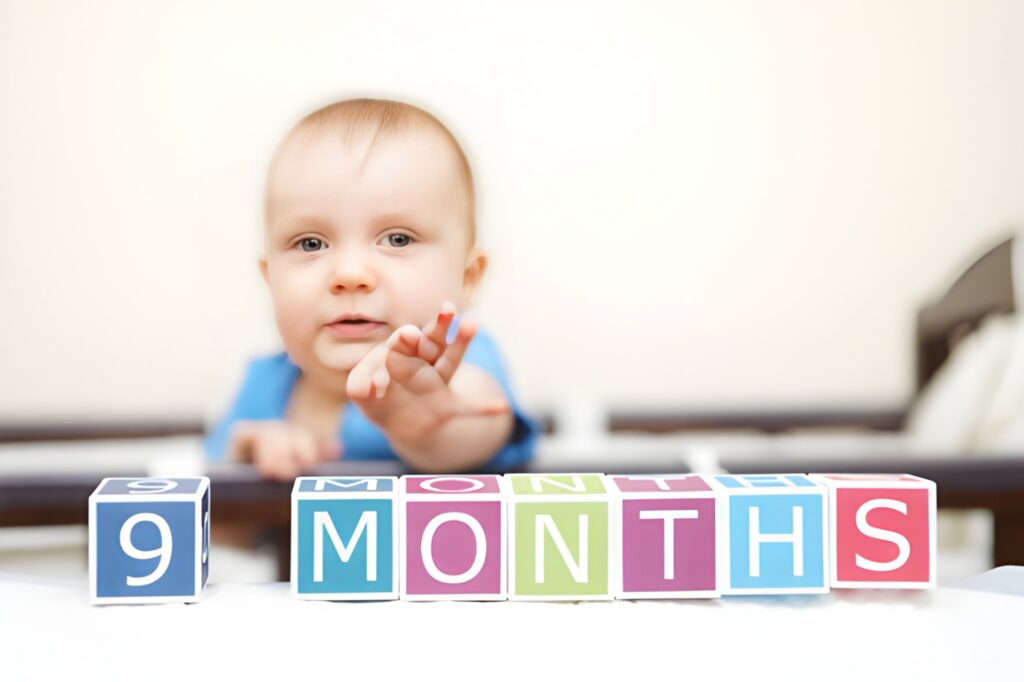
The first two years of a child’s life are transformative, laying the foundation for lifelong physical, cognitive, emotional, and social development. Understanding the nuances of 0-2 years child development allows parents, caregivers, and early childhood educators to provide optimal support during this critical period. This article explores developmental milestones, variations in growth, environmental influences, and practical strategies for fostering healthy development in infants and toddlers, considering the diversity of the U.S. population and socioeconomic factors that may influence access to resources.
Physical Development (0-2 Years)
Physical development during the first two years includes rapid growth in weight, height, and motor skills. Monitoring these parameters is essential to ensure proper nutrition and overall well-being. Growth Patterns: Infants typically double their birth weight by around five months and triple it by their first birthday. Height increases approximately 10 inches in the first year. Growth slows slightly in the second year, averaging 4-5 inches. Pediatricians track these changes using the World Health Organization (WHO) growth charts, which account for age and sex.
Motor Skill Milestones
Motor development progresses from reflexive movements in newborns to voluntary and coordinated actions in toddlers. Table 1 summarizes common milestones.
| Age Range | Gross Motor Skills | Fine Motor Skills |
|---|---|---|
| 0-3 months | Lifts head when on tummy, stretches legs | Opens and closes hands, brings hands to mouth |
| 4-6 months | Rolls over, sits with support | Reaches for objects, grasps rattle |
| 7-9 months | Sits without support, crawls | Transfers objects between hands, rakes with fingers |
| 10-12 months | Pulls to stand, cruises along furniture, may walk independently | Pincer grasp, points with index finger |
| 13-18 months | Walks independently, begins climbing stairs | Scribbles with crayon, stacks two blocks |
| 19-24 months | Runs, kicks a ball, climbs furniture confidently | Turns pages of a book, stacks 4-6 blocks |
Gross motor skills involve the large muscles used for crawling, walking, running, and climbing, while fine motor skills focus on precise movements, such as grasping, holding utensils, and drawing. Encouraging movement through safe play spaces is crucial for muscle development and coordination.
Cognitive Development (0-2 Years)
Cognitive development refers to the acquisition of skills such as thinking, learning, problem-solving, and memory. In infants and toddlers, cognitive growth is rapid and forms the basis for language, social understanding, and executive functions. Piaget’s Sensorimotor Stage (0-2 Years): Jean Piaget identified the sensorimotor stage as the first phase of cognitive development. It is divided into six substages: Reflexive Schemes (0-1 month) where infants learn through innate reflexes such as sucking and grasping; Primary Circular Reactions (1-4 months) where they repeat pleasurable actions like sucking their thumb; Secondary Circular Reactions (4-8 months) where focus shifts to objects like shaking a rattle repeatedly; Coordination of Reactions (8-12 months) where intentional actions and understanding cause-effect relationships emerge; Tertiary Circular Reactions (12-18 months) where toddlers experiment with new behaviors to observe outcomes; Early Representational Thought (18-24 months) where symbolic thinking, simple problem-solving, and deferred imitation appear.
Problem-Solving and Object Permanence: By 8-12 months, children develop object permanence—the understanding that objects exist even when out of sight. This milestone signals the beginning of memory retention and anticipation skills. Attention and Curiosity: Toddlers show increased attention spans, exploring environments actively. Cognitive stimulation through age-appropriate toys, interactive play, and reading enhances problem-solving abilities and neural connections.
Language Development (0-2 Years)
Language development encompasses understanding (receptive language) and production (expressive language).
| Age Range | Receptive Language | Expressive Language |
|---|---|---|
| 0-3 months | Responds to sounds, recognizes caregiver’s voice | Coos and gurgles |
| 4-6 months | Turns toward familiar voices | Babbles with consonant sounds |
| 7-9 months | Understands simple words like “no” or “bye-bye” | Uses babbling with varied tones |
| 10-12 months | Follows simple instructions | Says first words, imitates sounds |
| 13-18 months | Understands simple questions | Vocabulary of 10-50 words, combines gestures and words |
| 19-24 months | Follows two-step instructions | Vocabulary of 50-200 words, begins two-word sentences |
Early exposure to language through talking, reading, and singing enhances neural pathways associated with communication. Socioeconomic factors such as access to books and verbal interactions can influence the pace of language development.
Social and Emotional Development (0-2 Years)
Infants develop a sense of attachment to caregivers, which provides the foundation for emotional regulation and social skills. Secure attachment forms when caregivers respond consistently to a child’s needs. By six months, infants exhibit social smiles, and by one year, they may show separation anxiety. Toddlers develop self-awareness, empathy, and the ability to engage in parallel play. Emotion regulation begins to emerge as children learn to express feelings through words or gestures.
Table 2: Social and Emotional Milestones
| Age Range | Social Development | Emotional Development |
|---|---|---|
| 0-3 months | Smiles at familiar faces | Responds to soothing voices |
| 4-6 months | Enjoys interactive play | Shows excitement, distress |
| 7-12 months | Shows attachment to caregivers | Exhibits stranger anxiety |
| 13-18 months | Begins parallel play | Expresses simple emotions like frustration |
| 19-24 months | Engages in simple cooperative play | Demonstrates empathy, imitates emotions |
Caregiver responsiveness, play, and social interactions influence emotional and social development. Children in enriched environments with opportunities for exploration and interaction show more advanced social skills.
Sensory and Perceptual Development
Sensory development involves the refinement of vision, hearing, touch, taste, and smell. Newborns can recognize caregiver voices and faces. By six months, depth perception and hand-eye coordination improve. Exposure to varied textures, sounds, and visual stimuli encourages sensory integration. Early sensory experiences also shape cognitive and motor development.
Table 3: Sensory Milestones
| Age Range | Vision | Hearing | Touch |
|---|---|---|---|
| 0-3 months | Focuses on faces, tracks moving objects | Responds to voices | Sensitive to touch, enjoys holding |
| 4-6 months | Recognizes familiar objects | Turns toward sounds | Explores objects by mouthing |
| 7-12 months | Depth perception improves | Differentiates tones | Explores with hands and fingers |
| 13-24 months | Identifies distant objects | Understands simple verbal cues | Experiments with textures and temperature |
Influences on Development
Child development is affected by genetic, environmental, and socioeconomic factors. Nutrition, exposure to toxins, quality of caregiving, and access to early learning resources play pivotal roles. Children from lower socioeconomic backgrounds may experience delays in language or cognitive development due to limited stimulation or nutritional deficits. Programs like Early Head Start in the U.S. aim to mitigate these disparities through enriched early learning and caregiver support.
Practical Strategies for Supporting Development
Providing a stimulating, safe, and nurturing environment promotes holistic growth. Activities include tummy time for motor development, reading aloud to enhance language skills, responsive caregiving for emotional security, and play-based problem-solving for cognitive growth. Structured routines, consistent sleep schedules, and healthy nutrition support physical and cognitive milestones. Parents should monitor developmental progress and consult pediatricians for concerns.
Table 4: Activity Recommendations by Domain
| Domain | Activity Examples | Frequency |
|---|---|---|
| Physical | Tummy time, crawling courses, obstacle play | Daily |
| Cognitive | Puzzles, shape sorters, peek-a-boo games | Daily |
| Language | Reading, singing, naming objects | Multiple times/day |
| Social/Emotional | Playdates, responsive interaction, mirror play | Daily |
| Sensory | Textured toys, water play, safe kitchen exploration | Multiple times/week |
Conclusion
The first two years of life represent a period of rapid, multidimensional development. By understanding physical, cognitive, language, social-emotional, and sensory milestones, caregivers can provide targeted support to foster growth. Socioeconomic and environmental factors influence development, highlighting the importance of equitable access to nutrition, healthcare, and early learning resources. Attentive, responsive caregiving combined with age-appropriate stimulation creates the foundation for lifelong learning, health, and well-being. Regular monitoring of developmental progress and engagement in nurturing activities ensures that infants and toddlers reach their potential while laying the groundwork for the subsequent stages of childhood.