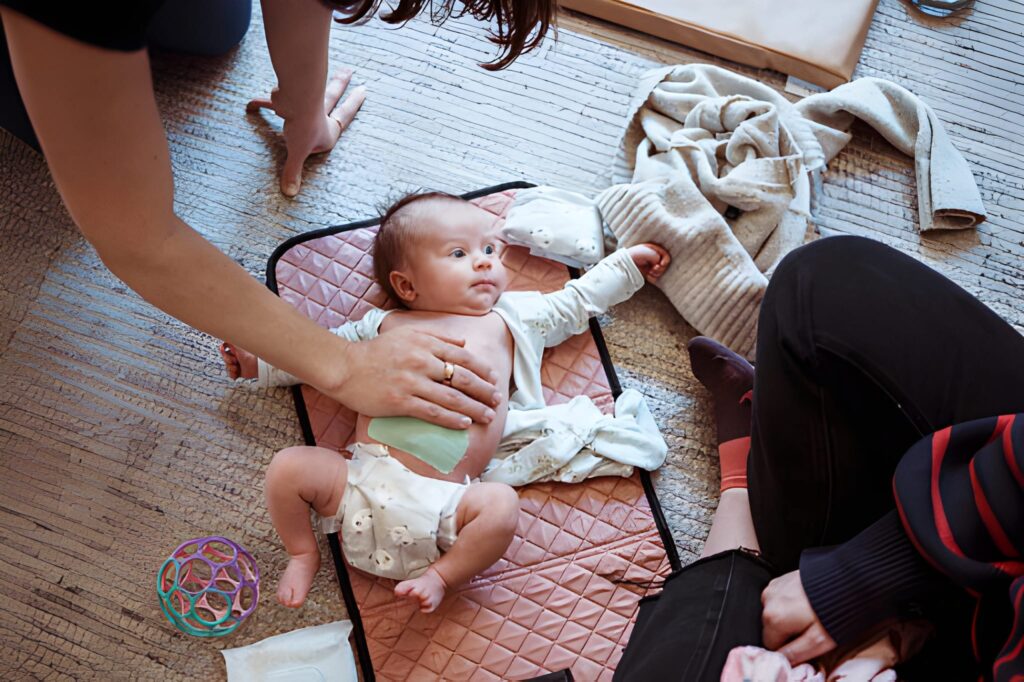
The first three months of life mark a critical phase in infant development, characterized by rapid physical growth, emerging sensory awareness, and the initial formation of emotional bonds. During this period, infants transition from reflex-driven responses to more purposeful interactions with their environment. Understanding the developmental milestones of 0-3 months allows parents and caregivers to provide appropriate stimulation, nurture secure attachment, and support optimal growth. This article provides a detailed exploration of physical, cognitive, language, social-emotional, and sensory development for newborns up to three months, along with practical strategies for fostering healthy development.
Physical Development (0-3 Months)
During the first three months, infants experience remarkable physical growth. Newborns typically gain about 5-7 ounces per week and grow approximately 1.5-2 inches in length per month. Head circumference increases rapidly as the brain expands. Pediatricians monitor these parameters using growth charts to ensure that infants are developing within healthy ranges.
Motor Development Milestones
Motor development begins with reflexive movements and gradually progresses toward voluntary control.
| Age Range | Gross Motor Skills | Fine Motor Skills |
|---|---|---|
| 0-1 month | Turns head to side while lying on tummy, lifts head briefly | Hands mostly clenched, random movements |
| 2 months | Lifts chest during tummy time, smoother arm movements | Opens hands more frequently, begins to track objects with eyes |
| 3 months | Raises head and chest, holds head steady while supported | Reaches toward objects, brings hands to mouth |
Reflexes
Infants are born with several reflexes that are vital for survival and early motor development, including the rooting reflex (turning head toward a touch on the cheek), sucking reflex, grasp reflex, Moro reflex (startle response), and stepping reflex. These reflexes gradually integrate as voluntary movements emerge.
Cognitive Development (0-3 Months)
Cognitive development in the first three months involves the beginnings of learning, memory, and sensory processing. Infants explore their environment through observation, touch, and mouthing objects. Attention to faces and patterns improves, laying the groundwork for social cognition.
Table 1: Early Cognitive Milestones
| Age Range | Cognitive Skills | Examples |
|---|---|---|
| 0-1 month | Alert to surroundings, begins to recognize caregiver | Focuses on high-contrast patterns, responds to voice |
| 2 months | Tracks moving objects with eyes, increased visual alertness | Follows slow-moving objects, anticipates caregiver presence |
| 3 months | Shows early curiosity, begins cause-and-effect understanding | Reaches toward objects, reacts differently to familiar vs. unfamiliar stimuli |
Language Development (0-3 Months)
Language development starts with receptive skills, including recognizing familiar voices, and progresses to expressive behaviors like cooing.
| Age Range | Receptive Language | Expressive Language |
|---|---|---|
| 0-1 month | Responds to caregiver voice, quiets when held | Reflexive sounds (crying, fussing) |
| 2 months | Shows recognition of voices, may turn toward sounds | Begins cooing, gurgling |
| 3 months | Reacts to attention, smiles at caregiver | Vocalizes with varied pitch, laughter may appear |
Early interactions, such as talking, singing, and responding to coos, stimulate language pathways and foster bonding.
Social and Emotional Development (0-3 Months)
Infants begin forming attachments and expressing emotions during the first three months. Social smiles emerge around six to eight weeks, signaling early social engagement. Infants communicate needs through crying, facial expressions, and body movements. Responsive caregiving, including holding, soothing, and consistent attention, supports emotional regulation and secure attachment.
Table 2: Social-Emotional Milestones
| Age Range | Social Development | Emotional Development |
|---|---|---|
| 0-1 month | Begins recognizing caregiver’s face and voice | Expresses basic distress or comfort |
| 2 months | Social smile appears, enjoys interaction | Shows contentment when soothed, interest in surroundings |
| 3 months | Responds to social cues, anticipates caregiver engagement | Begins self-soothing, expresses delight through cooing and smiles |
Sensory Development (0-3 Months)
Infants’ senses are highly active, allowing them to learn about the environment and form attachments.
| Sense | Development | Milestones |
|---|---|---|
| Vision | Focus improves from 8-12 inches, high contrast objects preferred | Tracks moving objects, recognizes familiar faces |
| Hearing | Sensitive to high-pitched sounds and human voice | Turns toward sounds, calms when hearing caregiver’s voice |
| Touch | Responds to gentle touch, temperature differences | Grasps objects reflexively, enjoys tactile stimulation |
| Taste & Smell | Preferences for sweet flavors, recognizes caregiver’s scent | Prefers mother’s scent, begins exploring via mouth |
Early exposure to varied sensory experiences supports neural development and emotional security. Safe tactile play, talking, and gentle massage enhance sensory integration.
Influences on Development
Genetic factors, nutrition, caregiving quality, and environmental stimulation influence 0-3 months development. Exclusive breastfeeding or formula feeding provides essential nutrients, while responsive caregiving and safe environments promote optimal growth. Socioeconomic factors can impact access to healthcare, nutrition, and enrichment activities. Programs supporting early parenting skills and neonatal care are particularly valuable for families facing challenges.
Practical Strategies for Supporting Development
- Tummy Time: Helps strengthen neck, shoulder, and upper body muscles. Begin with a few minutes multiple times a day.
- Responsive Interaction: React promptly to cries and coos to foster secure attachment and emotional regulation.
- Visual and Auditory Stimulation: Use high-contrast toys, mobiles, and gentle music to enhance sensory and cognitive development.
- Language Exposure: Talk, sing, and read to infants to encourage early communication skills.
- Safe Sleep Practices: Follow guidelines for safe sleep, which support health and reduce stress for both infant and caregiver.
Conclusion
The first three months of life are foundational for physical, cognitive, emotional, and sensory development. Infants progress from reflexive behaviors to purposeful interactions, begin recognizing caregivers, and show early social and emotional responses. Responsive caregiving, safe environments, and appropriate stimulation promote secure attachment, healthy growth, and the beginnings of communication and cognition. Monitoring milestones and engaging in nurturing activities during this period provides the foundation for continued development throughout infancy and early childhood.