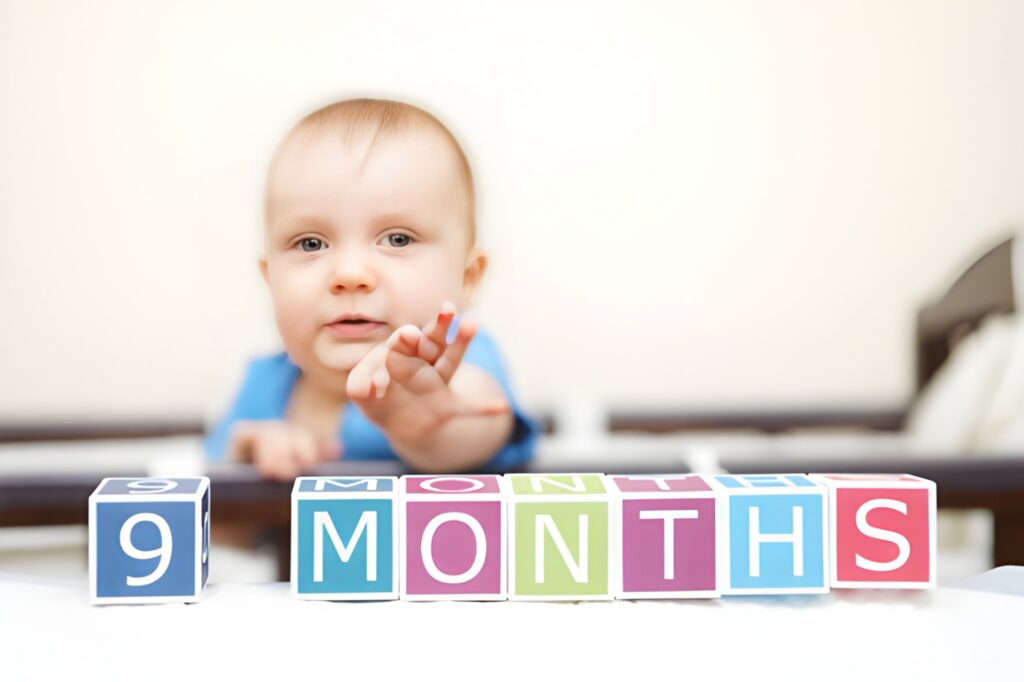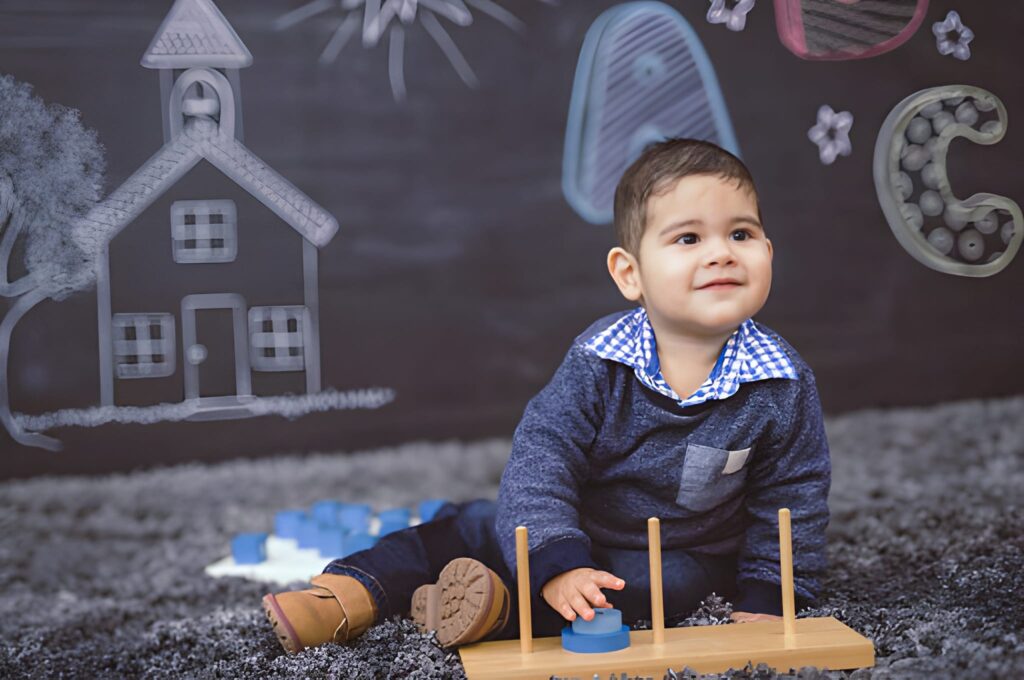
The first four years of life are a period of extraordinary growth and transformation. From newborns relying entirely on caregivers to four-year-olds exploring the world with increasing independence, children experience rapid changes in physical, cognitive, language, social, and emotional domains. Understanding 0-4 years child development allows parents, caregivers, and early childhood educators to provide appropriate support, stimulation, and guidance. This article explores developmental milestones from birth to four years, the factors influencing growth, and practical strategies to foster holistic development.
Physical Development (0-4 Years)
Physical growth is rapid in the first four years. Infants typically double their birth weight by five months and triple it by their first birthday. By age four, children often weigh 30-36 pounds and are approximately 38-42 inches tall. Gross and fine motor skills progress from reflexive movements in newborns to walking, running, climbing, and manipulative skills in toddlers and preschoolers.
Motor Skill Milestones
| Age Range | Gross Motor Skills | Fine Motor Skills |
|---|---|---|
| 0-3 months | Lifts head briefly, pushes up during tummy time | Reflexive grasp, opens hands occasionally |
| 4-6 months | Rolls over, sits with support, pushes up on arms | Reaches for objects, transfers toys between hands |
| 7-9 months | Sits independently, crawls, pulls to stand | Pincer grasp, explores objects |
| 10-12 months | Cruises along furniture, walks with support | Points with index finger, places objects in containers |
| 13-18 months | Walks independently, climbs stairs with support | Scribbles, stacks two blocks |
| 19-24 months | Runs, kicks a ball, climbs furniture | Turns pages of a book, stacks 4-6 blocks |
| 25-36 months | Walks up stairs without support, jumps with both feet | Draws simple shapes, uses spoon and fork |
| 37-48 months | Hops, pedals a tricycle, balances on one foot briefly | Copies shapes, uses scissors, dresses with assistance |
Cognitive Development (0-4 Years)
Cognitive development includes thinking, problem-solving, memory, and learning. Children progress from reflexive responses to intentional exploration and early symbolic thinking. Piaget’s sensorimotor stage (0-2 years) describes the progression from reflexes to symbolic thought, and the preoperational stage (2-4 years) marks increased use of imagination, language, and pretend play.
Table 2: Cognitive Milestones by Age
| Age Range | Cognitive Skills | Examples |
|---|---|---|
| 0-3 months | Early attention, object tracking | Follows moving objects, recognizes caregiver |
| 4-6 months | Cause-effect understanding, exploration | Shakes rattle, experiments with sounds |
| 7-12 months | Object permanence, intentional actions | Searches for hidden toys, imitates gestures |
| 13-24 months | Problem-solving, early pretend play | Stacks blocks, uses household objects in play |
| 25-36 months | Symbolic play, sorting, simple reasoning | Groups objects, uses imagination in play |
| 37-48 months | Early logic, memory, categorization | Solves simple puzzles, predicts outcomes, engages in cooperative play |
Language Development (0-4 Years)
Language develops from cooing and babbling to forming sentences and understanding complex instructions. Receptive language (understanding) precedes expressive language (speaking).
| Age Range | Receptive Language | Expressive Language |
|---|---|---|
| 0-3 months | Responds to voices, calms when spoken to | Cooing, gurgling |
| 4-6 months | Recognizes familiar voices | Babbles with consonant sounds |
| 7-12 months | Understands simple words, follows cues | Says first words, imitates sounds |
| 13-18 months | Follows simple instructions, identifies objects | Vocabulary 10-50 words, two-word phrases |
| 19-24 months | Understands simple stories, points to objects | Vocabulary 50-200 words, simple sentences |
| 25-36 months | Follows multi-step instructions | Uses 3-4 word sentences, begins using pronouns |
| 37-48 months | Understands stories, asks questions | Forms complex sentences, uses past tense, engages in conversation |
Social and Emotional Development (0-4 Years)
Social and emotional growth progresses from forming attachments in infancy to cooperative play, empathy, and self-awareness in preschoolers. Secure attachment builds emotional resilience and confidence.
Table 3: Social-Emotional Milestones by Age
| Age Range | Social Development | Emotional Development |
|---|---|---|
| 0-3 months | Recognizes caregivers, social smiles | Expresses discomfort or contentment |
| 4-6 months | Engages in interactive play | Shows excitement, distress, pleasure |
| 7-12 months | Forms strong attachments, exhibits stranger anxiety | Begins self-soothing, expresses joy and frustration |
| 13-18 months | Parallel play, tests boundaries | Demonstrates pride, embarrassment, frustration |
| 19-24 months | Plays alongside peers, shares minimally | Labels emotions, begins empathy |
| 25-36 months | Cooperative play, simple negotiation | Recognizes others’ feelings, manages minor conflicts |
| 37-48 months | Group play, imaginative roles | Understands social rules, develops self-control |
Sensory Development
Sensory experiences are critical for early learning. Infants and toddlers explore the world through sight, sound, touch, taste, and smell. By four years, children demonstrate improved sensory integration, hand-eye coordination, and awareness of their environment.
Table 4: Sensory Milestones
| Sense | Development | Examples |
|---|---|---|
| Vision | Focus and tracking improve | Recognizes faces, follows objects, distinguishes colors |
| Hearing | Differentiates tone and pitch | Responds to familiar voices, enjoys music |
| Touch | Explores objects through hands and mouth | Manipulates toys, enjoys textures |
| Taste & Smell | Distinguishes flavors, recognizes caregivers | Shows food preferences, reacts to scents |
Factors Influencing Development
Genetics, environment, nutrition, caregiving quality, and socioeconomic status all influence development. Secure attachment, enriched environments, responsive caregiving, and access to healthcare support optimal growth. Challenges such as poverty, malnutrition, or limited stimulation can affect cognitive, language, and social-emotional outcomes. Early intervention and community programs are critical for mitigating these effects.
Practical Strategies for Supporting Development
- Provide tummy time and safe play spaces for motor skill development.
- Encourage responsive caregiving to foster attachment and emotional regulation.
- Offer sensory stimulation through toys, textures, music, and safe exploration.
- Engage in language-rich activities: talking, singing, reading.
- Promote social interactions with peers and caregivers to build empathy and cooperation.
- Maintain balanced nutrition and sleep routines to support physical and cognitive growth.
- Use age-appropriate play to strengthen problem-solving, imagination, and creativity.
Conclusion
The first four years of life involve rapid and multidimensional development. Children progress from dependent newborns to independent preschoolers capable of walking, talking, reasoning, and interacting socially. Understanding physical, cognitive, language, social-emotional, and sensory milestones allows caregivers to provide targeted support, appropriate stimulation, and safe environments. Responsive caregiving, enrichment, and nurturing relationships create a foundation for lifelong learning, emotional resilience, and social competence. Monitoring development and actively engaging in supportive activities ensures children reach their potential and thrive as they transition into later childhood.