At 18 months, a child is transitioning from infancy into toddlerhood. This stage is marked by increasing independence, curiosity, and exploration. Children at this age are rapidly developing skills across physical, cognitive, language, social-emotional, and sensory domains. Understanding 1.5-year-old child development helps caregivers provide the appropriate environment and support to foster growth, learning, and confidence.
Physical Development
Physical growth at 1.5 years focuses on refining gross and fine motor skills. Toddlers become more coordinated and adventurous in their movements.
Motor Skill Milestones (18 Months)
| Skill Type | Milestones |
|---|---|
| Gross Motor | Walks confidently, begins running, climbs onto low furniture, pulls toys while walking |
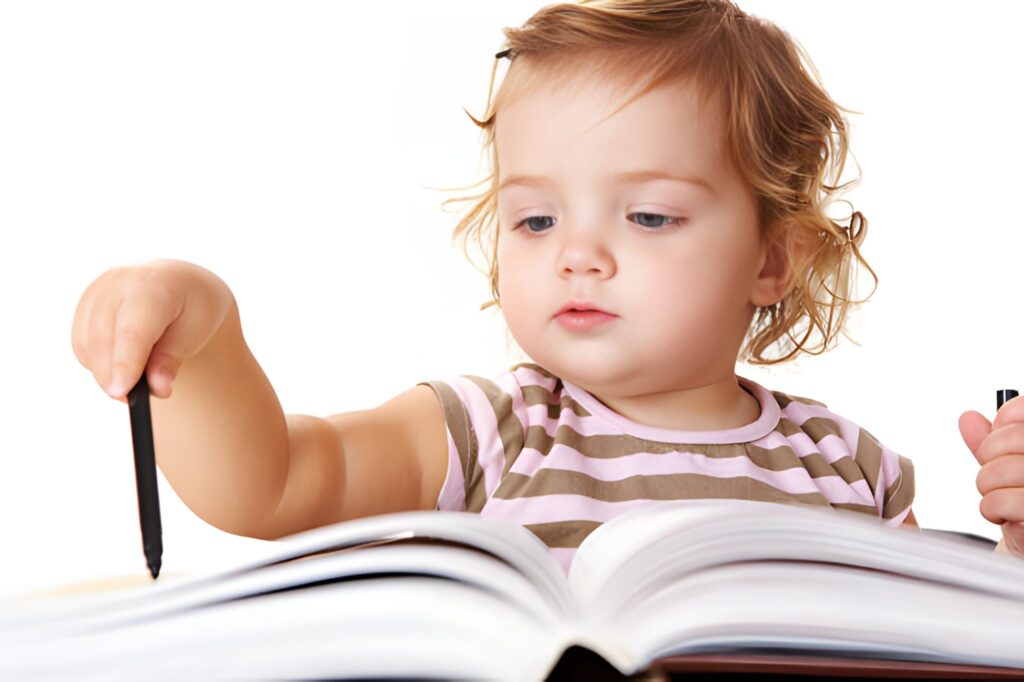
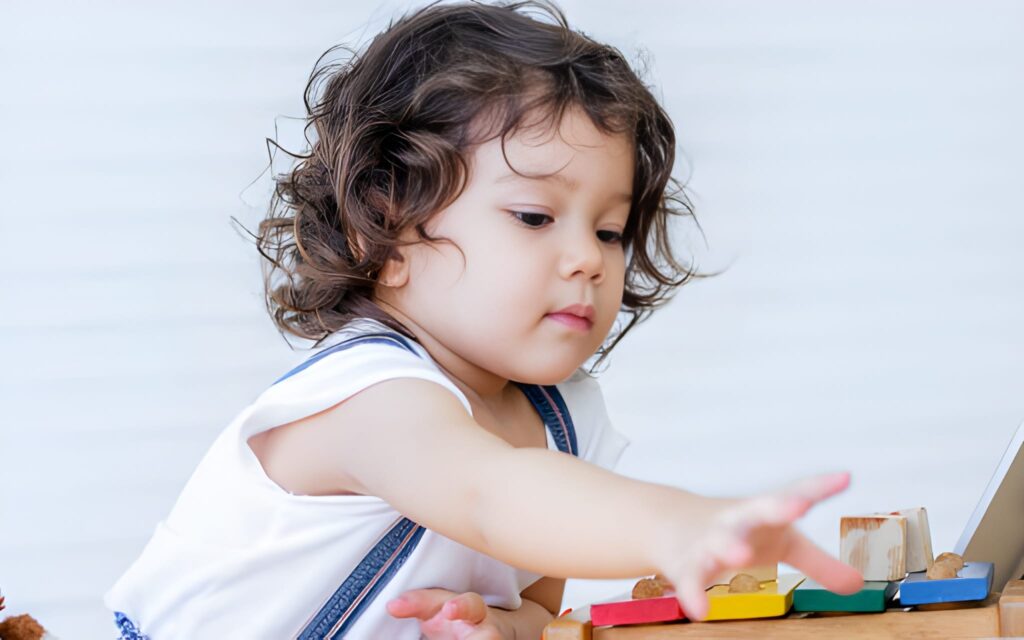
| Fine Motor | Uses pincer grasp for small objects, stacks 2-3 blocks, scribbles with crayon, begins self-feeding with a spoon |
Cognitive Development
Cognitive growth at this age includes problem-solving, memory, and the beginnings of imaginative play. Toddlers begin understanding cause-and-effect relationships and actively explore their environment.
Cognitive Milestones:
- Explores objects in multiple ways (shaking, banging, throwing)
- Recognizes familiar people, objects, and routines
- Solves simple problems, such as finding hidden objects
- Engages in early pretend play, like feeding a doll or pretending to cook
Language Development
Language skills expand rapidly between 1 and 2 years. Children begin combining words into short phrases and increase their vocabulary.
| Aspect | Milestones |
|---|---|
| Receptive Language | Follows simple one-step instructions, points to familiar objects when named |
| Expressive Language | Uses 10-50 words, begins two-word phrases (“more milk”), imitates sounds and gestures |
Social and Emotional Development
Social-emotional development at 18 months is characterized by stronger attachments, independence, and emerging empathy. Children begin testing boundaries and asserting preferences.
Social-Emotional Milestones:
- Shows affection to familiar people
- Demonstrates frustration, pride, or excitement
- Engages in parallel play alongside peers
- Begins imitating social behaviors of adults and other children
- Shows preference for certain caregivers or peers
Sensory Development
Sensory exploration is essential for learning and coordination. Children use touch, sight, hearing, taste, and smell to interact with their surroundings.
Sensory Milestones:
- Recognizes familiar voices and sounds
- Explores textures and objects with hands and mouth
- Shows preferences for tastes and may react to new foods
- Enjoys sensory play with sand, water, or soft materials
Practical Strategies for Supporting 1.5-Year Development
- Provide safe spaces for walking, climbing, and exploring
- Offer toys and activities that promote problem-solving and fine motor skills
- Talk, read, and sing regularly to support language growth
- Introduce simple choices to foster independence
- Model social behaviors, empathy, and emotional regulation
- Maintain consistent routines to provide a sense of security
Conclusion
At 1.5 years, children are highly active, curious, and increasingly independent. They make significant progress in mobility, communication, problem-solving, and social interaction. Understanding the physical, cognitive, language, social-emotional, and sensory milestones enables caregivers to provide effective support and foster confidence, curiosity, and foundational skills for future learning. Responsive caregiving, enriched play, and safe exploration are essential for helping children thrive during this formative period.