Child Psychology

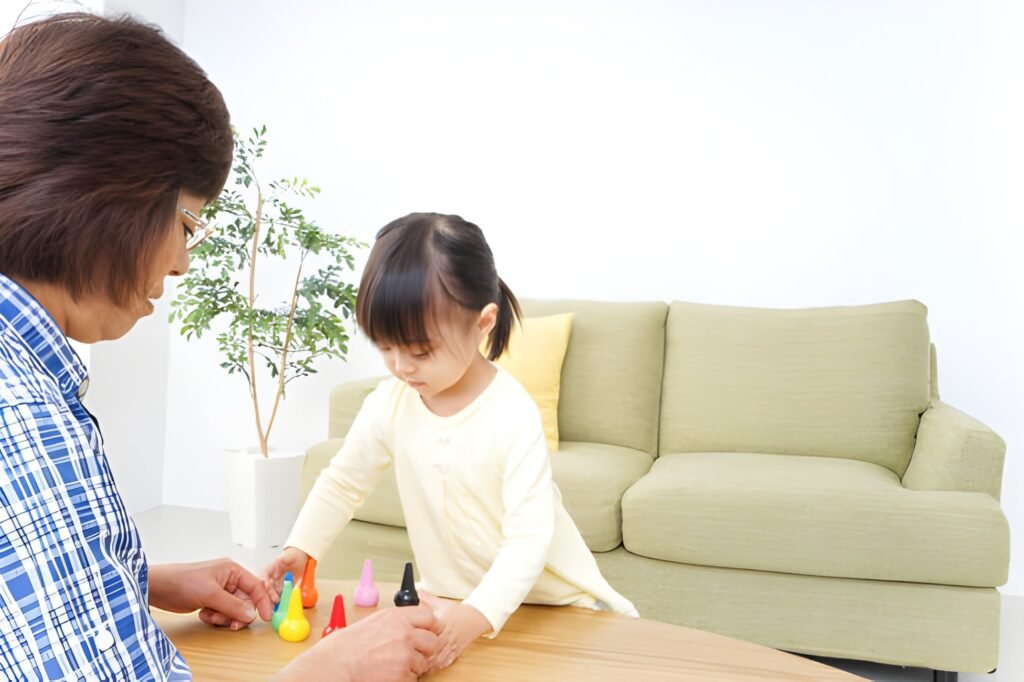
3-Year-Old Child Psychology

Understanding 3-Year-Old Child Psychology: Cognitive, Emotional, and Social Development

Three-year-old children are in a dynamic stage of growth where rapid changes in cognition, emotion, and social skills are highly visible. At this age, children are transitioning from toddlerhood to early childhood, which involves expanding independence, curiosity, and self-expression. Understanding the psychology of a 3-year-old is essential for parents, caregivers, and educators to support healthy […]

Understanding 3-Year-Old Child Psychology: Cognitive, Emotional, and Social Development Read More »


Psychology Behind Crying in a 3-Year-Old Child

Understanding the Psychology Behind Crying in a 3-Year-Old Child

Crying is a fundamental form of communication in early childhood, particularly for children around three years old. At this age, children are developing language and social skills but may still lack the ability to fully articulate their needs, frustrations, or emotions. From a psychological perspective, crying in a 3-year-old can reflect a combination of emotional,

Understanding the Psychology Behind Crying in a 3-Year-Old Child Read More »

Three Key Psychological Factors That Child Psychologists Focus On

Three Key Psychological Factors That Child Psychologists Focus On

Child psychologists focus on understanding and supporting the mental, emotional, and behavioral development of children. Three key psychological factors—cognitive development, emotional regulation, and social environment—are central to their assessments and interventions. Cognitive development refers to how children acquire knowledge, think, reason, and solve problems. It includes memory, attention, language acquisition, problem-solving, and executive functioning. Child

Three Key Psychological Factors That Child Psychologists Focus On Read More »

Negative Cognitive Triad in Abnormal Child Psychology

Understanding the Negative Cognitive Triad in Abnormal Child Psychology

The negative cognitive triad is a concept introduced by Aaron T. Beck in cognitive theory, primarily in the context of depression. While originally studied in adults, research has shown that this triad can manifest in children and adolescents, influencing their emotional, social, and academic development. In abnormal child psychology, the negative cognitive triad describes a

Understanding the Negative Cognitive Triad in Abnormal Child Psychology Read More »

Best Time to Have a Child

Why Your 20s Can Be the Best Time to Have a Child: Insights from Developmental Psychology

Deciding when to have a child is one of the most significant life choices, influenced by biological, psychological, social, and economic factors. Developmental psychology provides insights into why a parent’s age, particularly being in their 20s, can positively impact both parental well-being and child development. This article explores the advantages, challenges, and psychological implications of

Why Your 20s Can Be the Best Time to Have a Child: Insights from Developmental Psychology Read More »

20 Landmark Studies in Child Psychology

20 Landmark Studies in Child Psychology: Insights, Implications, and Applications

Child psychology is a field that explores the emotional, cognitive, social, and physical development of children from birth through adolescence. Research in this area provides essential insights into how children learn, interact, and adapt to their environment. Understanding the findings from foundational and contemporary studies allows parents, educators, and clinicians to support children effectively and

20 Landmark Studies in Child Psychology: Insights, Implications, and Applications Read More »

Understanding 2-Year-Old Child Psychology: Cognitive, Emotional, and Social Development

Understanding 2-Year-Old Child Psychology: Cognitive, Emotional, and Social Development

The age of two represents a crucial stage in a child’s psychological development. Often referred to as the “terrible twos,” this period is characterized by rapid growth in language, cognition, emotional expression, and social interaction. Understanding the psychological development of a 2-year-old helps parents, caregivers, and educators provide appropriate support, guidance, and nurturing environments to

Understanding 2-Year-Old Child Psychology: Cognitive, Emotional, and Social Development Read More »
Psychological Development of a 15-Year-Old Male

Understanding the Psychological Development of a 15-Year-Old Male: Cognitive, Emotional, and Social Insights

The age of 15 represents a critical stage in male adolescent development, bridging late childhood and mid-adolescence. At this stage, boys experience significant physical, cognitive, emotional, and social changes that shape their identity, self-esteem, and future behavior. Understanding the psychological development of a 15-year-old male helps parents, educators, and caregivers support healthy growth, address challenges,

Understanding the Psychological Development of a 15-Year-Old Male: Cognitive, Emotional, and Social Insights Read More »

100% Online Master’s Degree in Child Psychology

100% Online Master’s Degree in Child Psychology: Flexibility, Curriculum, and Career Opportunities

A 100% online master’s degree in child psychology offers a flexible, accessible pathway for students and working professionals seeking advanced education in understanding children’s cognitive, emotional, and social development. With increasing demand for mental health professionals and digital learning options, online programs have become a practical alternative to traditional on-campus degrees. This article explores online

100% Online Master’s Degree in Child Psychology: Flexibility, Curriculum, and Career Opportunities Read More »

10-Year-Old Child Psychology

Understanding 10-Year-Old Child Psychology: Development, Behavior, and Guidance

A 10-year-old child is at a pivotal stage of development, bridging late childhood and the onset of early adolescence. At this age, children experience significant cognitive, emotional, social, and physical changes. Understanding the psychological development of a 10-year-old helps parents, educators, and caregivers provide effective support, foster resilience, and guide them toward healthy growth. This

Understanding 10-Year-Old Child Psychology: Development, Behavior, and Guidance Read More »