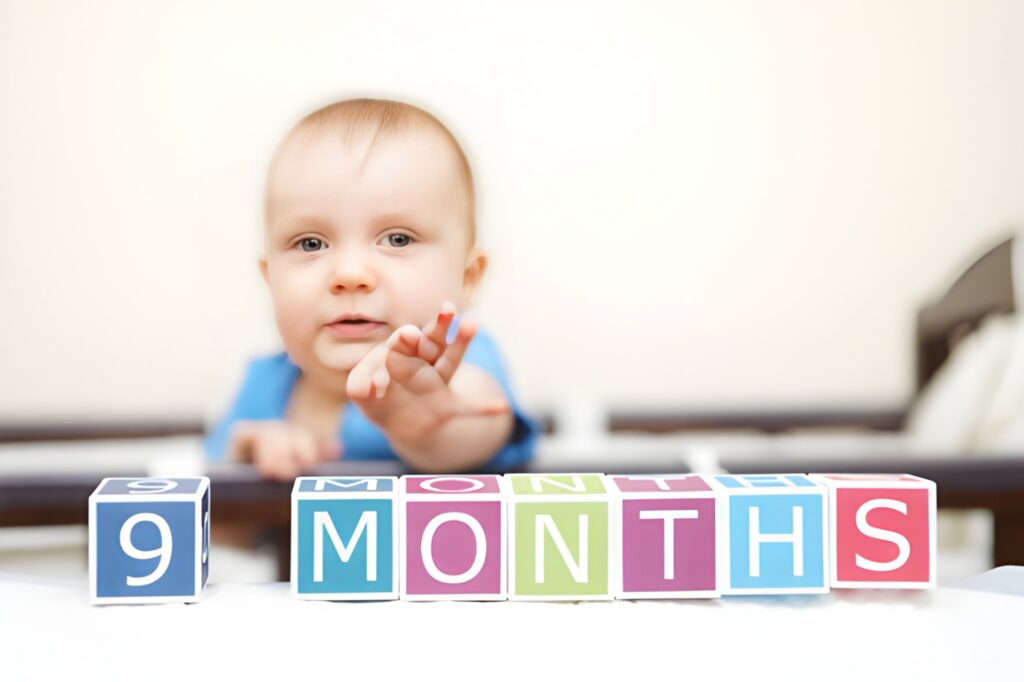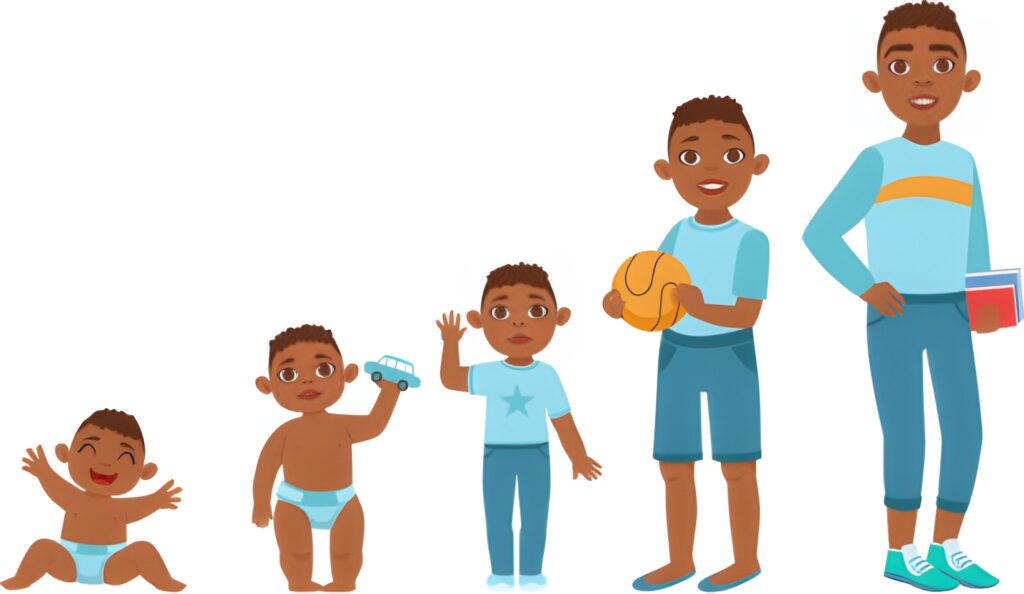
The first five years of life represent a period of unparalleled growth and learning. During this time, children evolve from fully dependent infants into preschoolers capable of walking, talking, problem-solving, and interacting socially. These years lay the foundation for lifelong physical, cognitive, emotional, and social development. Understanding the developmental trajectory from 0 to 5 years allows parents, caregivers, and educators to provide the right guidance, support, and environment for optimal growth. This book provides a comprehensive framework for understanding child development, including detailed milestones, practical strategies, and insights into fostering healthy growth.
Chapter 1: The First Year (0-12 Months)
Physical Development
The first year is marked by rapid physical growth. Infants typically triple their birth weight and grow approximately 10 inches in length. Motor development progresses from reflexive movements to purposeful actions.
Milestones:
| Age Range | Gross Motor Skills | Fine Motor Skills |
|---|---|---|
| 0-3 months | Lifts head briefly, pushes up during tummy time | Reflexive grasp, opens hands occasionally |
| 4-6 months | Rolls over, sits with support | Reaches for toys, transfers objects between hands |
| 7-9 months | Sits independently, crawls, pulls to stand | Pincer grasp, explores toys |
| 10-12 months | Cruises, stands, walks with support | Points with finger, places objects in containers |
Cognitive Development
Infants develop object permanence, recognize caregivers, and begin to understand cause-and-effect relationships.
Language Development
From cooing and gurgling to simple words, infants begin expressing needs and responding to language cues.
Social and Emotional Development
Attachment formation is critical. Social smiles, stranger anxiety, and self-soothing behaviors emerge during this period.
Practical Tips
Engage in tummy time to strengthen muscles, talk, sing, and read to encourage language and bonding, respond consistently to cries and cues for emotional security.
Chapter 2: Toddlers (1-3 Years)
Physical Development
Toddlers develop greater mobility and independence. Walking, climbing, and running become regular activities. Fine motor skills improve, allowing for stacking blocks, drawing, and self-feeding.
Milestones:
| Age Range | Gross Motor Skills | Fine Motor Skills |
|---|---|---|
| 13-18 months | Walks independently, climbs stairs with support | Scribbles, stacks 2 blocks |
| 19-24 months | Runs, kicks ball, climbs furniture | Turns pages, stacks 4-6 blocks |
| 25-36 months | Jumps with both feet, walks up stairs | Draws simple shapes, uses spoon/fork, dresses with assistance |
Cognitive Development
Toddlers begin symbolic play, problem-solving, and early reasoning. They develop curiosity and memory skills.
Language Development
Vocabulary expands rapidly. Simple two- to three-word sentences form, and children begin using pronouns and prepositions.
Social and Emotional Development
Toddlers engage in parallel play, test boundaries, and start showing empathy. Emotional regulation improves with caregiver support.
Practical Tips
Encourage exploration in safe environments, offer simple problem-solving activities, model empathy and social behaviors.
Chapter 3: Preschoolers (3-5 Years)
Physical Development
Preschoolers refine coordination and balance. Running, hopping, climbing, and manipulating objects become more controlled. Fine motor skills include drawing shapes, using scissors, and dressing independently.
Milestones:
| Age Range | Gross Motor Skills | Fine Motor Skills |
|---|---|---|
| 37-48 months | Hops, pedals tricycle, balances on one foot | Copies shapes, begins self-dressing |
| 49-60 months | Runs smoothly, climbs ladders, throws/catches ball | Draws detailed shapes, writes letters, dresses independently |
Cognitive Development
Imagination, symbolic thinking, and reasoning advance. Preschoolers engage in pretend play, sorting, categorizing, and problem-solving activities.
Language Development
Children use full sentences, ask questions, and tell stories. Vocabulary grows to thousands of words, and they begin understanding complex instructions.
Social and Emotional Development
Cooperative play emerges, and children understand social rules and the emotions of others. Self-regulation and empathy improve.
Practical Tips
Encourage imaginative and cooperative play, offer age-appropriate puzzles and problem-solving games, model emotional regulation and social problem-solving.
Chapter 4: Factors Influencing Development
Genetics influence physical growth, temperament, and cognitive abilities. A safe, enriched environment promotes exploration and learning. Adequate nutrition supports physical and cognitive growth. Responsive, consistent caregiving fosters secure attachment and emotional resilience. Socioeconomic factors, including access to healthcare and enrichment, significantly impact developmental outcomes.
Chapter 5: Supporting Holistic Development
Provide safe spaces and encourage active play to promote physical development. Introduce problem-solving tasks, exploration, and age-appropriate learning activities to support cognitive growth. Engage in conversation, storytelling, singing, and reading to foster language. Encourage cooperative play, model empathy, and provide consistent care to nurture social-emotional skills. Introduce varied textures, sounds, colors, and safe objects for sensory exploration. Maintain balanced nutrition and consistent sleep schedules to support overall development.
Chapter 6: Monitoring and Early Intervention
Early identification of delays or developmental concerns is crucial. Regular pediatric checkups, developmental screenings, and parent observations help detect issues early. Early intervention programs, therapy, and community support services can significantly improve outcomes.
Conclusion
The first five years of life set the foundation for lifelong learning, emotional resilience, social competence, and health. By understanding physical, cognitive, language, social, and emotional milestones, caregivers can create supportive, stimulating, and safe environments. Responsive caregiving, enriched experiences, and age-appropriate activities empower children to reach their full potential as they transition into school-age childhood.