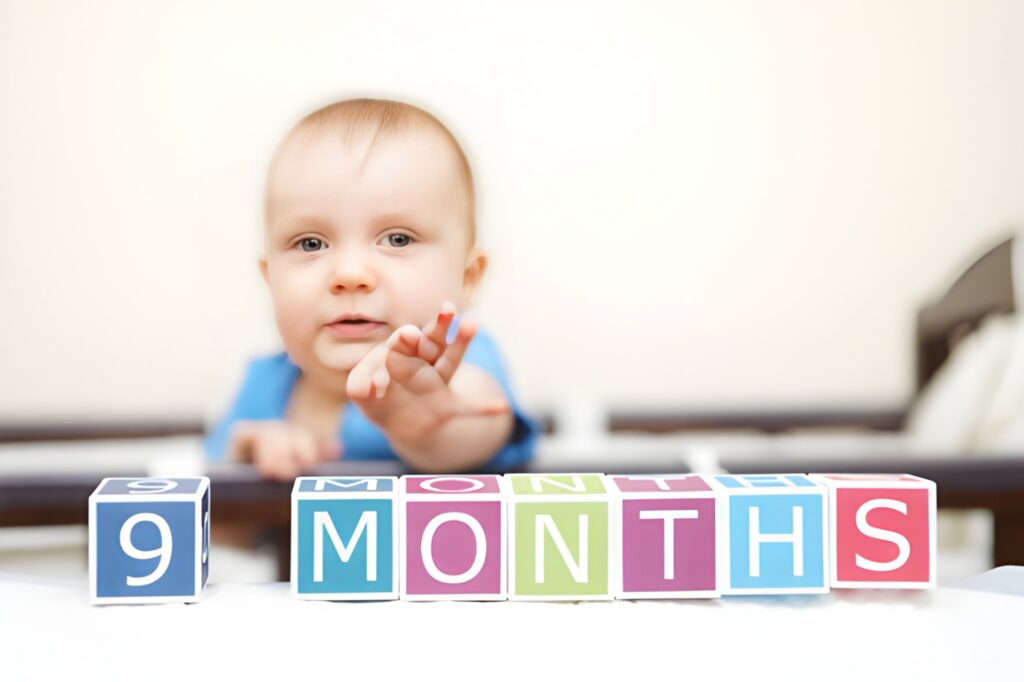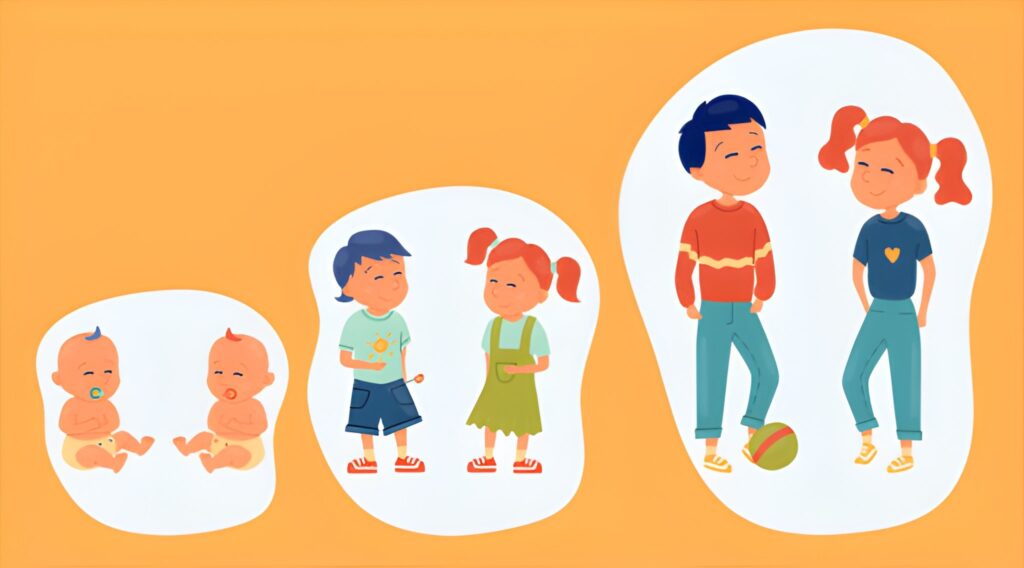
The first five years of life are a period of rapid growth and transformation. Children progress from completely dependent infants to preschoolers capable of walking, talking, problem-solving, and engaging socially. Understanding developmental milestones from birth to five years allows caregivers and educators to provide the right guidance and support for optimal growth. This guide details the physical, cognitive, language, social-emotional, and sensory milestones from 0 to 5 years, offering a comprehensive overview of child development.
Physical Development Milestones
Children develop gross and fine motor skills in predictable sequences, although the exact timing may vary.
| Age Range | Gross Motor Skills | Fine Motor Skills |
|---|---|---|
| 0-3 months | Lifts head briefly, pushes up during tummy time | Reflexive grasp, hands open occasionally |
| 4-6 months | Rolls over, sits with support, pushes up on arms | Reaches for objects, transfers toys between hands |
| 7-12 months | Sits independently, crawls, pulls to stand, may walk with support | Pincer grasp, points, manipulates objects |
| 13-18 months | Walks independently, climbs stairs with support | Scribbles, stacks 2-3 blocks |
| 19-24 months | Runs, kicks ball, climbs furniture | Turns pages, stacks 4-6 blocks |
| 25-36 months | Walks up stairs without support, jumps with both feet | Draws simple shapes, uses spoon/fork, begins dressing |
| 37-48 months | Hops, pedals tricycle, balances on one foot briefly | Copies shapes, uses scissors, dresses independently with help |
| 49-60 months | Runs smoothly, climbs ladders, throws and catches a ball | Draws detailed shapes, writes letters, dresses independently |
Cognitive Development Milestones
Cognitive growth includes learning, memory, problem-solving, and symbolic thinking.
| Age Range | Cognitive Skills | Examples |
|---|---|---|
| 0-3 months | Alertness, object tracking | Follows moving objects, recognizes caregiver |
| 4-6 months | Cause-effect understanding, exploration | Shakes rattle, experiments with sounds |
| 7-12 months | Object permanence, intentional actions | Searches for hidden toys, imitates gestures |
| 13-24 months | Early problem-solving, symbolic play | Stacks blocks, uses household objects in pretend play |
| 25-36 months | Sorting, categorization, simple reasoning | Groups objects by color/size, imaginative play |
| 37-48 months | Early logic, memory, cause-effect | Solves puzzles, predicts outcomes in play |
| 49-60 months | Complex problem-solving, planning | Follows multi-step instructions, understands sequences |
Language Development Milestones
Language develops rapidly from cooing and babbling to forming complex sentences and asking questions.
| Age Range | Receptive Language | Expressive Language |
|---|---|---|
| 0-3 months | Responds to voices, calms when spoken to | Cooing, gurgling |
| 4-6 months | Recognizes familiar voices | Babbles with consonants |
| 7-12 months | Understands simple words | Says first words, imitates sounds |
| 13-18 months | Follows simple instructions | Vocabulary 10-50 words, two-word phrases |
| 19-24 months | Understands simple stories | Vocabulary 50-200 words, simple sentences |
| 25-36 months | Follows multi-step instructions | Forms 3-4 word sentences, uses pronouns |
| 37-48 months | Understands stories and explanations | Forms complex sentences, uses past tense |
| 49-60 months | Understands detailed instructions, asks questions | Uses full sentences, tells stories, engages in conversations |
Social and Emotional Milestones
Social-emotional development includes attachment, self-awareness, empathy, and social interaction.
| Age Range | Social Development | Emotional Development |
|---|---|---|
| 0-3 months | Recognizes caregivers, social smiles | Expresses discomfort or contentment |
| 4-6 months | Engages in interactive play | Shows pleasure, excitement, distress |
| 7-12 months | Forms strong attachment, stranger anxiety | Begins self-soothing, expresses joy/frustration |
| 13-24 months | Parallel play, tests boundaries | Demonstrates pride, embarrassment, frustration |
| 25-36 months | Cooperative play, basic negotiation | Recognizes emotions, begins empathy |
| 37-48 months | Group play, imaginative roles | Understands social rules, develops self-control |
| 49-60 months | Participates in group activities, resolves conflicts | Demonstrates empathy, manages impulses, negotiates with peers |
Sensory Development Milestones
Infants and children explore the world through sight, hearing, touch, taste, and smell, which supports cognitive and emotional growth.
| Sense | Development | Examples |
|---|---|---|
| Vision | Focus, depth perception, color recognition | Follows objects, distinguishes colors, recognizes faces |
| Hearing | Differentiates pitch and tone | Responds to familiar voices, enjoys music |
| Touch | Explores textures, hand-eye coordination | Grasps objects, manipulates toys |
| Taste & Smell | Recognizes flavors and caregiver scent | Prefers sweet foods, reacts to familiar smells |
Conclusion
By understanding the 0-5 years child development milestones across physical, cognitive, language, social-emotional, and sensory domains, caregivers can provide supportive environments and targeted stimulation. Recognizing typical patterns and variations in development helps identify potential concerns early, promoting interventions and nurturing strategies that ensure children reach their full potential. Engaging in responsive caregiving, enriching play, and safe exploration fosters healthy development and sets a strong foundation for lifelong learning, emotional resilience, and social competence.